

Last updated October 31, 2026
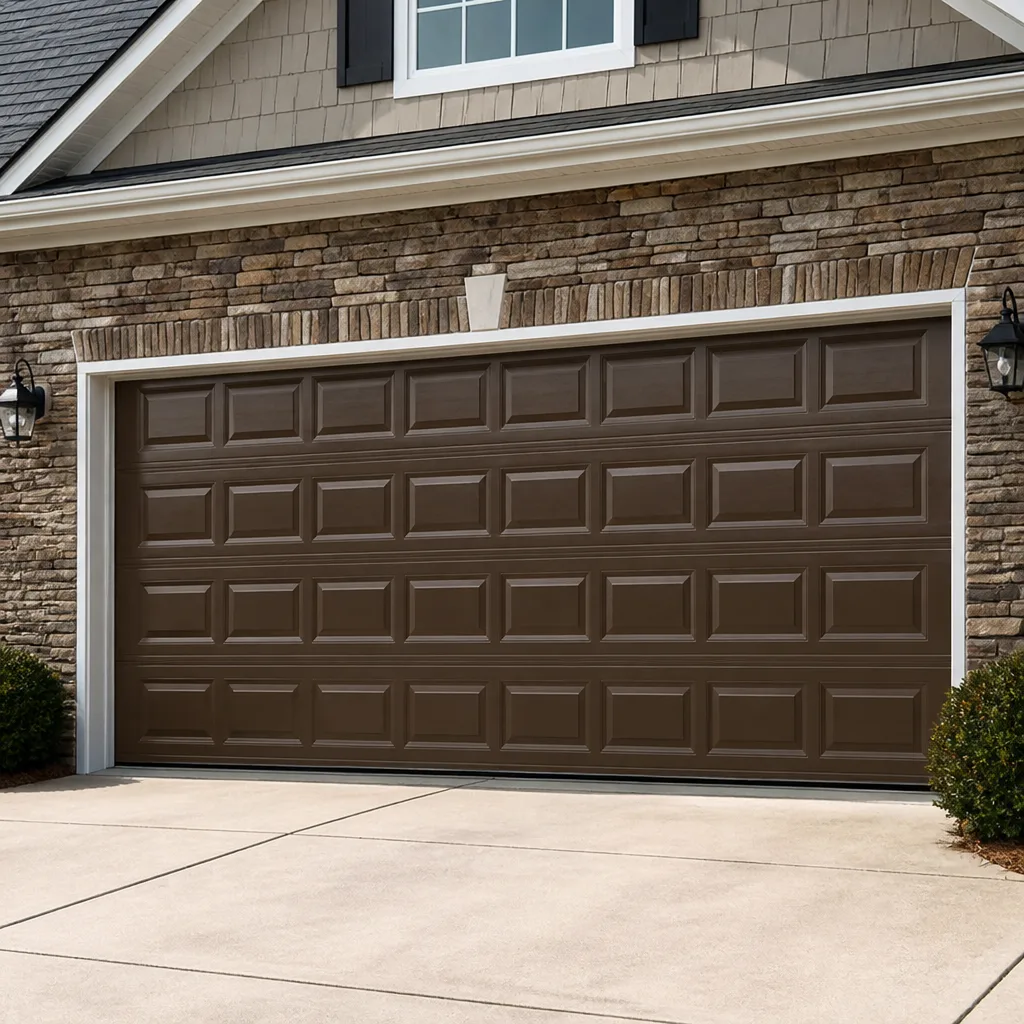 Raised-panel steel
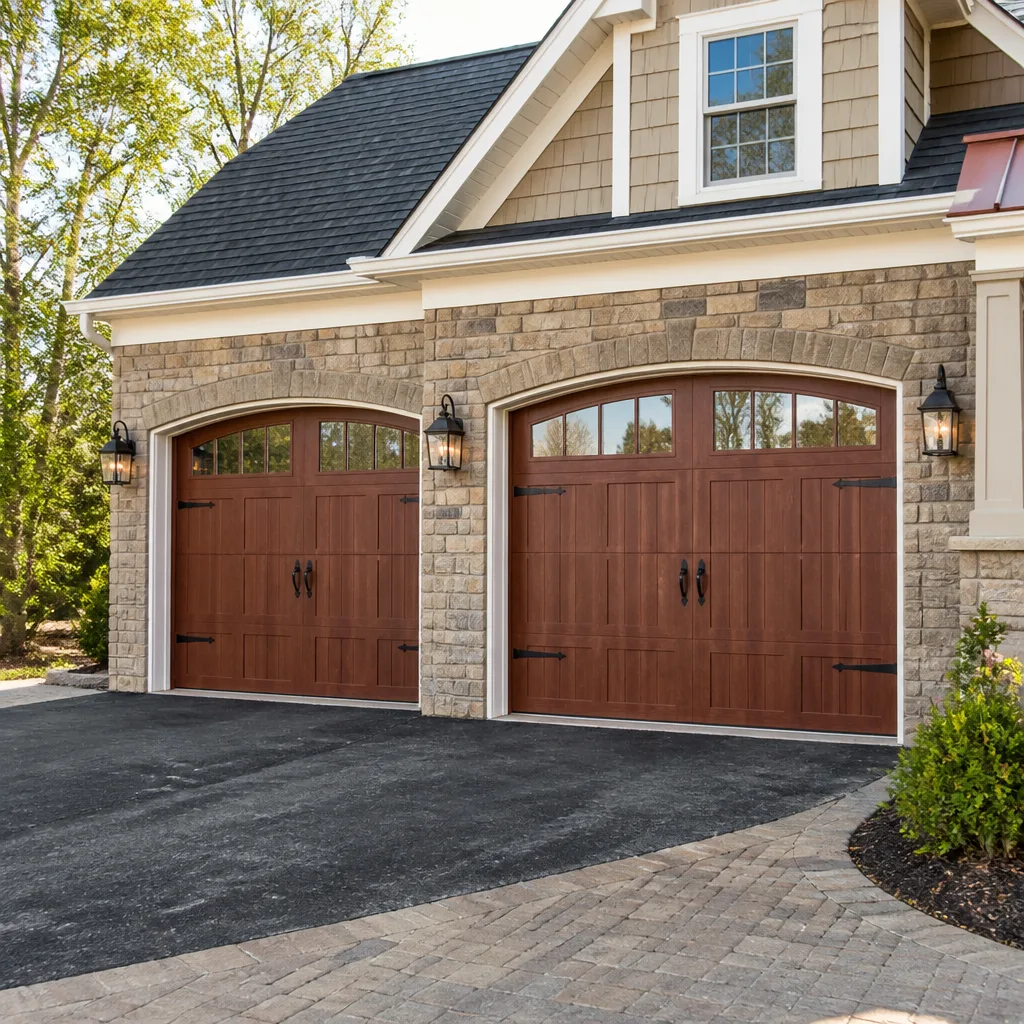 Carriage house
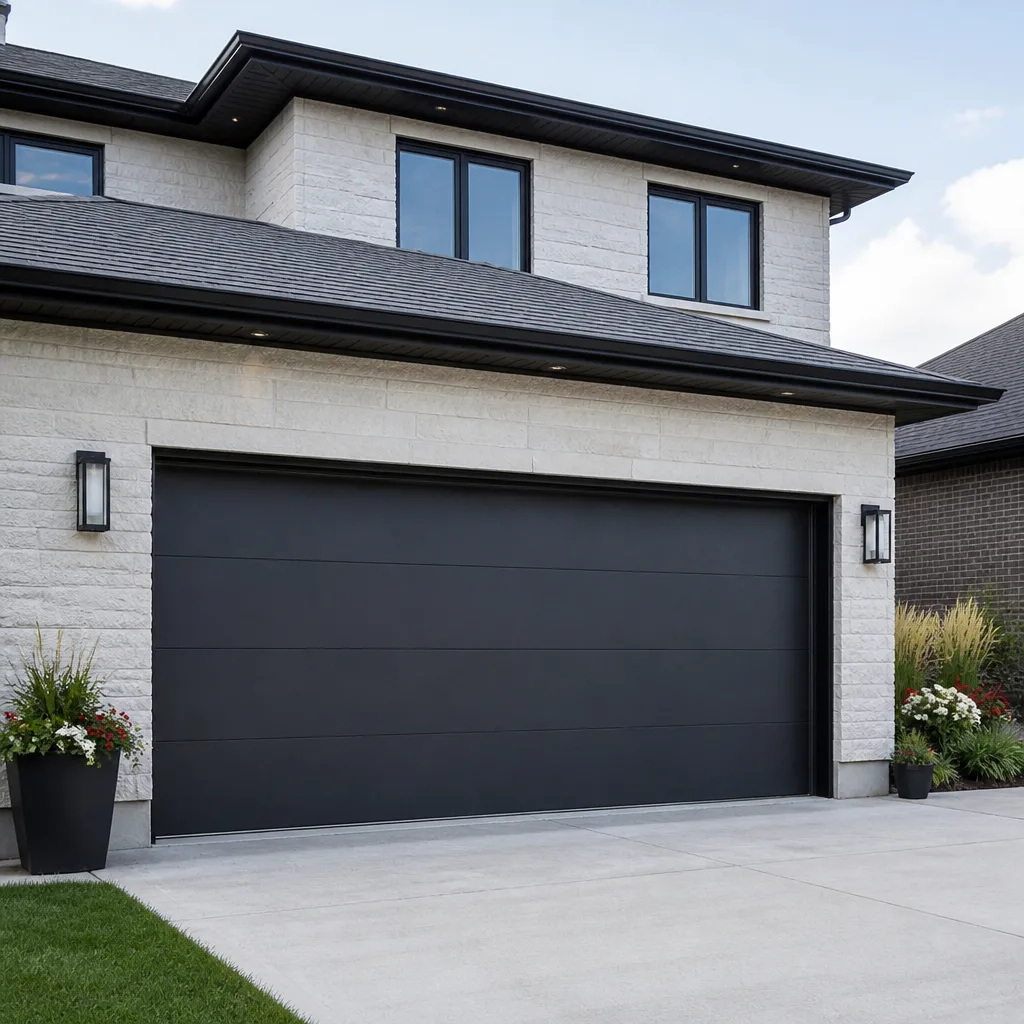 Modern flush
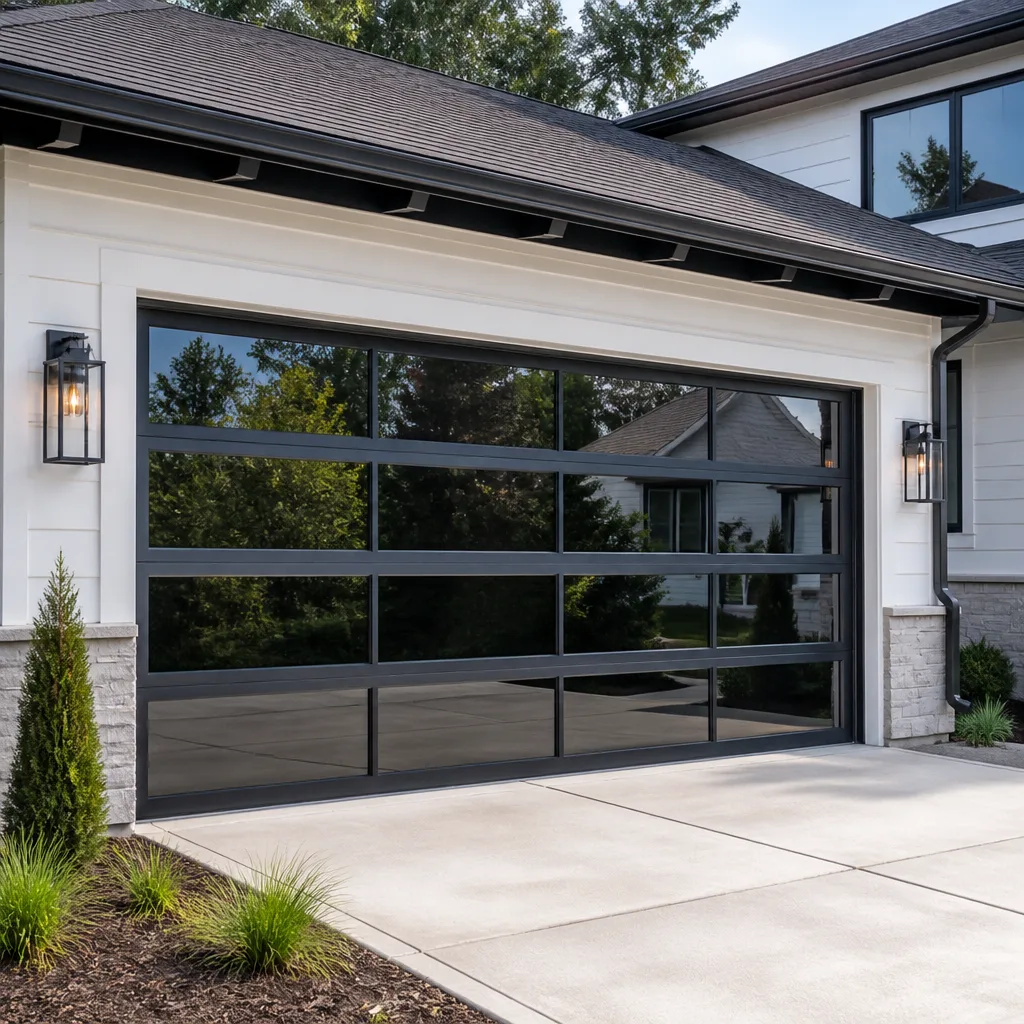 Full-view glass
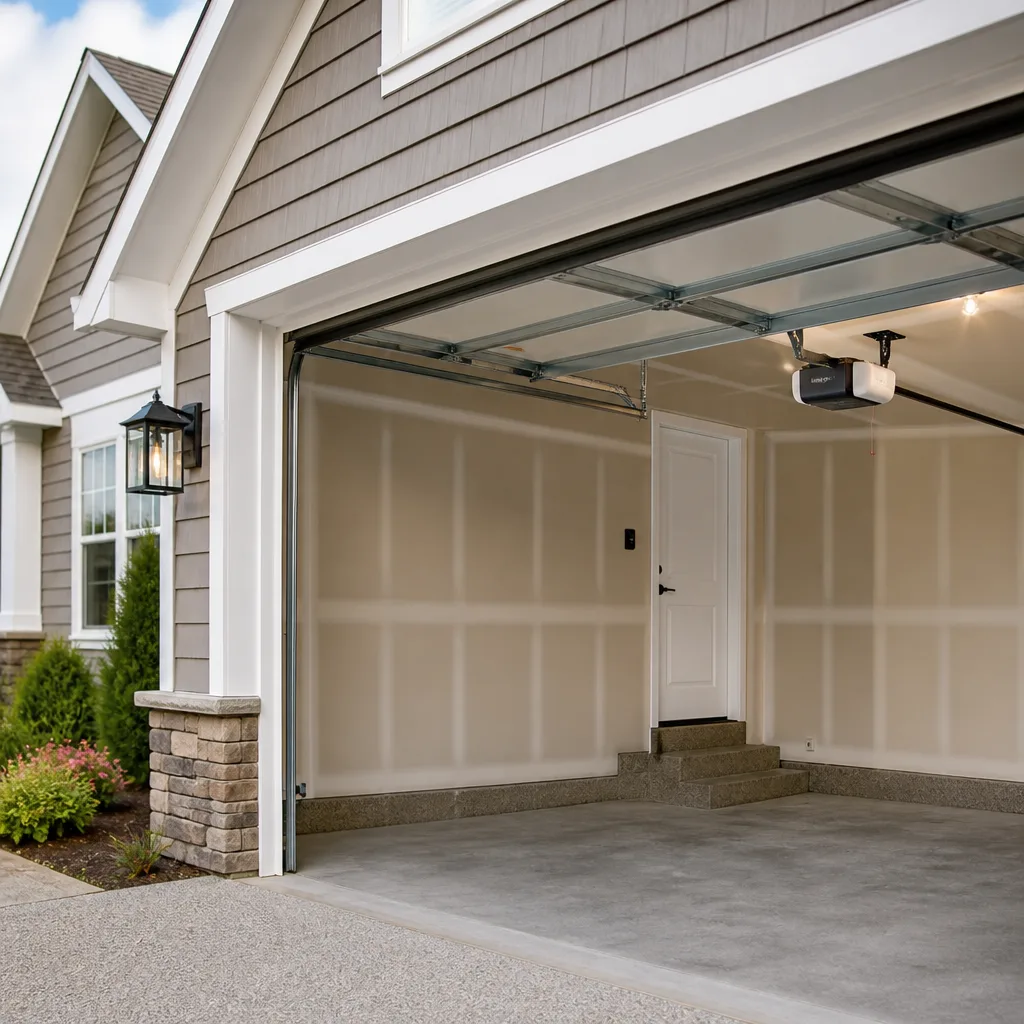 LiftMaster openers
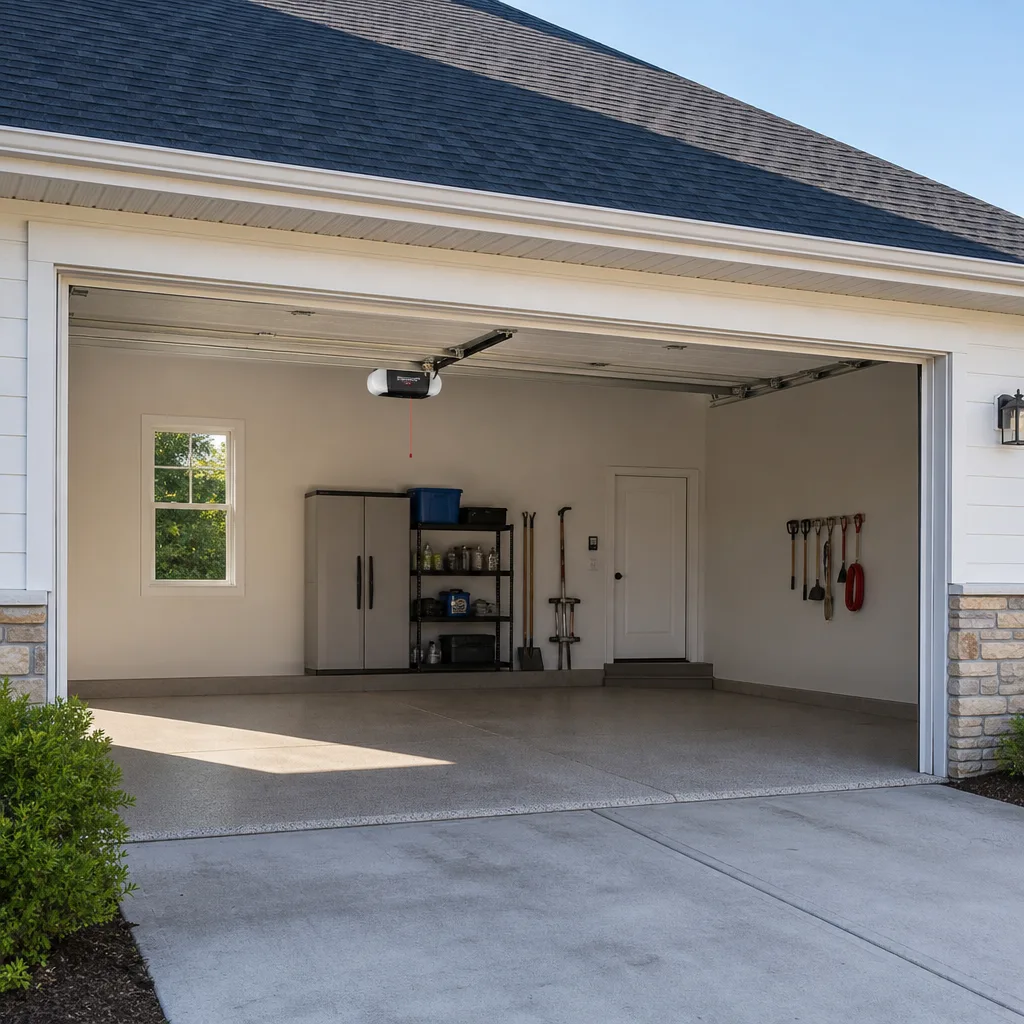 Chamberlain openers
Full 25-point door and opener safety check with every visit - springs, cables, rollers, tracks, and your LiftMaster or Chamberlain opener included
You get a price before we start. It does not change when the truck arrives.
Get your free estimateGarage Door Repair Maintenance Checklist for Jacksonville Homeowners
If you’re lubricating your garage door springs in January because a national checklist told you to “winterize,” you’ve already missed the window. Jacksonville’s real damage season runs May through October, when heat, humidity, and afternoon thunderstorms do the most work on your door’s hardware. This guide reorders the standard maintenance calendar around the actual climate you live in, so you’re doing the right task at the right time. You’ll learn which lubricants actually hold up in a Florida summer, how to spot salt-air corrosion before it snaps a cable, and when a maintenance task has crossed the line into a repair that belongs in the hands of a licensed technician.
Quick Answer
A garage door maintenance checklist for Jacksonville homeowners should prioritize pre-hurricane-season preparation in April, monthly visual inspections during the humid May through October stretch, and post-storm hardware checks in the fall. The most important tasks are lubricating moving parts with a silicone-based product that resists Florida humidity, inspecting weatherstripping for UV cracking and mold, and testing the auto-reverse safety feature every month. Most homeowners can handle lubrication and visual checks themselves, but spring, cable, and opener motor work requires a trained professional due to the serious injury risk.
Styles & brands we work with
Table of Contents
- Why Jacksonville’s Climate Demands a Different Maintenance Calendar
- The 5-Minute Monthly Visual Inspection
- The Jacksonville Seasonal Maintenance Schedule (Starting in April)
- Lubrication: What Actually Works in Florida Heat and Humidity
- Weatherstripping: The UV and Mold Double Threat
- Safety Systems: Testing Your Auto-Reverse and Photo Eyes
- Opener Care for Humid, Storm-Prone Conditions
- When Maintenance Crosses Into Repair Territory
Why Jacksonville’s Climate Demands a Different Maintenance Calendar
National maintenance guides are written for a national audience, which means they assume your garage door’s biggest enemy is freezing temperatures and road salt. That’s not Jacksonville. Our hardware fails from heat expansion, humidity-driven rust, UV radiation breaking down rubber components, and the sudden pressure shifts that come with afternoon thunderstorms rolling in off the Atlantic. A steel roller that would last seven years in Ohio might seize up in four here if it’s not lubricated properly, simply because the air holds more moisture and the temperature swings between a 95-degree afternoon and a 72-degree overnight low put constant expansion stress on metal parts.
We’ve worked on doors across Jacksonville, from Riverside bungalows with original 1960s hardware to new construction in Nocatee, and the failure patterns are consistent. Horizontal tracks collect condensation that drips onto rollers. Extension springs mounted above the track rust where the coils touch. Hinges at the bottom panel, closest to the slab, corrode first because the concrete wicks moisture upward. Understanding these local failure points is what makes a Jacksonville-specific checklist actually useful, rather than another generic list that tells you to check your door the same way someone in Minneapolis would check theirs.
The good news is that most of this damage is preventable with a routine that takes less than an hour per month total. The key is doing the right task in the right season, which is exactly what the schedule below lays out.
The 5-Minute Monthly Visual Inspection
This is the foundation of the entire checklist. Five minutes, once a month, with the door closed and the garage lights on. You’re not fixing anything during this inspection. You’re looking for changes, because garage doors rarely fail suddenly without showing warning signs first. A fraying cable starts with a single broken strand. A failing roller starts with a faint squeak that you can only hear when the door is moving slowly. Catching these signs early is the difference between a $30 part replacement and a $300 emergency repair when a cable finally lets go.
Here’s the monthly inspection sequence we recommend to every homeowner we talk to in Jacksonville:
- Stand inside with the door closed and look at the spring system. Check for rust on the coils, gaps between coils, or any visible wear. Do not touch the springs. A torsion spring that breaks under tension releases enough force to cause serious injury.
- Check the cables on both sides of the door. Look for frayed strands, kinks, or rust where the cable meets the bottom bracket. These cables carry the door’s full weight when the spring is under load.
- Examine the rollers where they enter the vertical tracks. Look for flat spots, wobble, or visible wear on nylon wheels. Listen for grinding when the door moves.
- Look at the hinges on each panel joint. Check for cracks, loose bolts, or rust. The bottom hinge takes the most stress and fails first in humid conditions.
- Scan the weatherstripping along the bottom edge and side jambs. Look for tears, gaps, brittle spots, or black mold growth. In Jacksonville, rubber weatherstripping typically lasts two to three years before UV damage makes it ineffective.
- Open and close the door once, listening for changes in sound. A smooth door should move quietly. New squeaks, grinding, or popping sounds indicate a lubrication issue or a part wearing out.
If anything looks or sounds different from last month, take a photo with your phone and compare it next month. Patterns of change are easier to spot when you have a baseline. And if something is clearly broken, stop using the door and call a garage door repair specialist in Jacksonville before running another cycle. Operating a door with a damaged cable or spring is how small problems become dangerous ones.
The Jacksonville Seasonal Maintenance Schedule (Starting in April)
Here’s where the Jacksonville calendar diverges from every generic national guide. Our maintenance year starts in April, not September. April is when you prepare for the five-month stretch from May through October that puts the most stress on every component of your garage door system. If you only do deep maintenance once a year, do it in April.
April: Pre-Hurricane Season Preparation
- Full lubrication of all moving parts using a silicone-based spray designed for high humidity (specific product guidance below).
- Test the door balance. Disconnect the opener and lift the door manually. It should stay in place at the halfway point without drifting up or down. A door that slams shut or flies open has a spring issue.
- Inspect and tighten all track bolts and brackets. Vibration loosens hardware over time, and hurricane-force winds will exploit any weakness.
- Check the garage door’s wind load rating. If you have an older door, particularly one installed before the 2007 Florida Building Code updates, it may not meet current wind load standards for our region.
- Test the auto-reverse safety mechanism and the photo eye sensors. In a storm, you need your door to operate reliably.
May through October: Monthly Inspection on a Shorter Interval
During these months, run the 5-minute visual inspection every two to three weeks instead of monthly. The heat and humidity accelerate wear, and afternoon thunderstorms bring pressure changes that strain cables and springs. Pay particular attention to:
- Rust formation on springs and cables after extended humid stretches.
- Roller squeaks that signal lubrication has broken down.
- Weatherstripping deterioration from the combined effect of UV exposure and mold growth.
- Opener motor temperature after long periods in a hot garage. Openers have thermal overload protection that will shut them down temporarily, which can leave you locked out.
November: Post-Storm Season Assessment
Once hurricane season winds down, do a full end-of-season review. This is when you’ll catch damage that built up unnoticed during the storm season. Look for:
- Dents or misalignment in the tracks from pressure fluctuations or debris impact.
- Water staining on the door panels, which indicates seal failure.
- Corrosion on any exposed metal parts that was accelerated by storm-driven salt air if you live within a few miles of the coast or Intracoastal.
If you find issues during this post-storm assessment, that’s the time to schedule repair work. Technicians in Jacksonville book up fast in November and December, and you’ll get better scheduling flexibility than waiting for an emergency in July.
Lubrication: What Actually Works in Florida Heat and Humidity
Most garage door lubrication problems in Jacksonville come from using the wrong product for our climate, not from failing to lubricate at all. The three most common mistakes we see: using WD-40, which is a solvent that strips existing lubrication rather than adding any; using white lithium grease, which dries out and gums up within about 60 days in high humidity; and using motor oil, which attracts dust and creates a grinding paste on moving parts.
For Jacksonville’s climate, you want a silicone-based or Teflon-based garage door lubricant specifically formulated for high-humidity environments. These products stay in place through temperature swings from 50 to 100 degrees, resist moisture washout, and don’t attract the fine dust that blows around Northeast Florida. We typically recommend:
- For rollers and hinges: A silicone spray with a straw applicator that gets into the bearing mechanisms.
- For springs: A heavier silicone lubricant that coats the entire coil surface without dripping.
- For tracks: Nothing. Do not lubricate tracks. Modern garage doors use nylon rollers that ride on clean tracks, and adding lubricant to the track just collects dirt and creates friction.
- For the opener rail and chain or screw drive: Follow your specific opener brand’s recommendation. LiftMaster and Chamberlain screw-drive models need different treatment than Genie belt-drive units.
Lubricate with the door in the open position, so you can access the full length of the springs and hinge points without tension on the system. Apply sparingly and wipe off the excess. More is not better here. Too much lubricant drips onto the door panels and leaves streaks that bake into the finish under our summer sun.
If you’re unsure what your specific door needs, particularly if you have a Wayne Dalton or Amarr door with proprietary hardware, our team can identify the right products during a maintenance call. We work on all eight major brands installed in Jacksonville homes, and we’ll tell you exactly what your setup requires.
Weatherstripping: The UV and Mold Double Threat
Weatherstripping in Jacksonville fails in two distinct ways, and both happen faster than national guides suggest. The first is UV degradation. Our sun is intense, and rubber compounds that would last five years in Ohio break down in two to three here. You’ll see the bottom seal become brittle, crack, and lose its compression. The second failure mode is mold. Jacksonville’s humidity creates the perfect conditions for black mold growth on the underside of the bottom seal and along the side jambs where moisture gets trapped. This mold doesn’t just look bad; it compromises the seal’s flexibility and can transfer stains to your door panels.
Here’s how to inspect your weatherstripping properly:
- Close the door and look at the bottom seal from the inside. You should see daylight only where the seal has failed. A compressed, cracked, or flattened seal is done.
- Run your hand along the seal (wearing gloves) to check for flexibility. It should feel pliable, not stiff. Stiff rubber that stays compressed when you press it is UV-damaged.
- Check the side jambs and top seal for gaps. Light coming through means weather and pests are coming through too. Jacksonville’s bug population will find any opening.
- Look for black or green discoloration on the seal surface. That’s mold, and it means the material needs replacement rather than cleaning.
Bottom seal replacement is a straightforward job that most homeowners can handle themselves, and replacement seals cost around $20 to $40 for standard doors. Side jamb seals are slightly more involved but still DIY-accessible for most people. If you’re unsure whether your seal is the right type for your door model, or if you’re dealing with warped door panels that are preventing a proper seal, that’s where we evaluate the full door condition during installation consultations and recommend whether seal replacement alone will fix the problem or if the door itself has shifted.
Safety Systems: Testing Your Auto-Reverse and Photo Eyes
Your garage door’s auto-reverse mechanism is not a convenience feature. It’s a safety device that prevents serious injury and property damage. Federal regulations require all garage door openers manufactured since 1993 to include auto-reverse and photo eye sensors. Testing them monthly is a 60-second task that every Jacksonville homeowner should have on their calendar.
Here’s the two-part test:
- The obstruction test: Place a 2×4 flat on the ground under the door’s path. Close the door. It should reverse within two seconds of contacting the board.
- The photo eye test: While the door is closing, wave your hand across the photo eye beam. The door should immediately reverse. If the photo eyes are misaligned or blocked, most openers will refuse to close at all, which is the correct failsafe behavior.
If your door fails either test, stop using it until the opener is repaired or replaced. A door that keeps closing against resistance can cause serious injury to children and pets. We also recommend checking your opener’s manual release handle monthly. In a power outage during hurricane season, you’ll need that red handle to work smoothly so you can open the door manually. Test it by pulling the handle and lifting the door. If the door is balanced correctly, it should open easily by hand.
For opener-specific safety issues, including photo eye malfunctions on LiftMaster, Chamberlain, Genie, or Craftsman units, our opener repair service handles most issues on the first visit.
Opener Care for Humid, Storm-Prone Conditions
Jacksonville’s humidity and storm activity place unique demands on garage door openers. The opener sits in the hottest part of your garage, often above 100 degrees during summer afternoons, and moisture in the air works its way into circuit boards and electrical connections over time. Power surges during afternoon thunderstorms are the leading cause of logic board failure we see in Jacksonville, followed by corrosion on the wire connections at the opener terminals.
Your opener maintenance checklist should include:
- Surge protection. Plug your opener into a dedicated surge protector. A $30 surge protector prevents a $200 logic board replacement. In Jacksonville’s thunderstorm season, this is the single best investment you can make in opener longevity.
- Monthly force setting test. The opener should require minimal force to reverse. If you notice the opener straining or hear the motor laboring, the sensitivity settings may need adjustment. This often indicates a balance problem rather than an opener problem.
- Belt and chain tension check every six months. Temperature swings cause metal chains and rubber belts to expand and contract. A loose chain will sound like a rattle; a too-tight belt will whine. Both conditions shorten opener life.
- Lubricate the opener rail if you have a chain-drive or screw-drive model. Belt-drive openers generally do not need rail lubrication.
If your opener is more than 10 years old and was installed before smart-home integration became standard, you may be running a unit that lacks the safety features and efficiency of current models. We work with Raynor, Genie, LiftMaster, and Chamberlain openers daily, and we’ll tell you honestly whether your existing unit is worth repairing or whether replacement makes more financial sense.
When Maintenance Crosses Into Repair Territory
There’s a clear line between maintenance tasks that homeowners should perform and repair work that belongs in the hands of a licensed professional. In Florida, that line matters not just for safety but for liability. Your homeowners insurance policy expects that you’ve maintained your garage door properly. If a neglected door causes damage, an insurance claim could be complicated. More importantly, the two most dangerous components on a garage door system are the parts that carry stored energy: torsion springs and lift cables.
A torsion spring under full tension stores enough energy to cause severe injury or death if it breaks while someone is working on it. Lift cables under load will whip when they snap. These are not DIY repair items under any circumstances. Even experienced technicians approach spring replacement with specific safety protocols and specialized tools.
Other items that cross into professional repair territory:
- Track misalignment that causes the door to bind or jump.
- Bent or damaged panels that affect door balance.
- Opener logic board failures or wiring that requires electrical diagnosis.
- Roller replacement on any roller located on the bottom bracket, where the cable attaches.
- Any spring-related issue, including visual spring wear, balance problems, or a spring that has already broken.
Here’s our straightforward guidance: if your maintenance inspection finds something wrong, and the fix involves any part that carries door weight or stored energy, call a professional. The Main Street Garage Door Repair home page outlines our full service area across Jacksonville, and we offer free estimates on all repair work. You’ll get a clear diagnosis and an honest recommendation, whether that’s a simple fix or a full replacement.
Common Mistakes to Avoid
- Following a national maintenance calendar. Jacksonville’s door damage spikes from May through October, not December through February. If your maintenance schedule is timed for winter, you’re always six months behind the actual wear pattern.
- Using WD-40 or white lithium grease for lubrication. WD-40 is a solvent that strips lubricant, and white lithium turns to gum in our humidity within two months. Silicone-based products designed for garage doors are the only appropriate choice here.
- Lubricating the tracks. Modern nylon rollers need clean, dry tracks. Adding lubricant to tracks creates a dirt-attracting paste that accelerates roller wear and makes the door louder.
- Ignoring a small squeak. A squeak is a part telling you it needs attention. Six months later, that squeak is usually a seized roller or a broken part that costs five times more to fix.
- Not testing the auto-reverse monthly. This is a 60-second safety check that could prevent a serious injury. Treat it like checking your smoke detector batteries.
- Unplugging the opener when leaving for extended periods. A door that stays closed for weeks in humid weather will develop stiffness at every pivot point. If you’re leaving Jacksonville for more than a month, have someone cycle the door periodically or run it manually before your trip.
- Replacing a weather seal without checking for mold on the door panel. Mold will transfer to the new seal and you’ll be replacing it again within a year. Clean the panel surface first, or replace the panel if the mold has penetrated.
See the difference
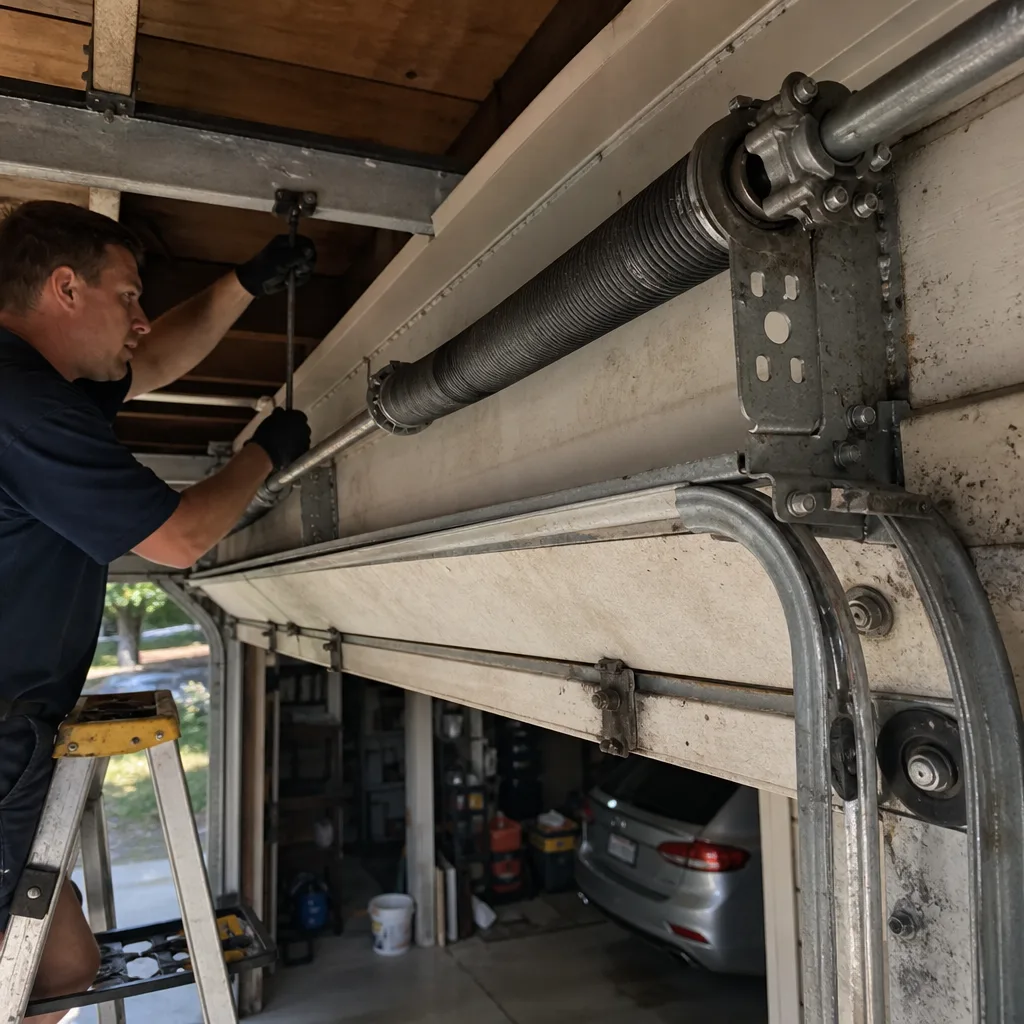 Before
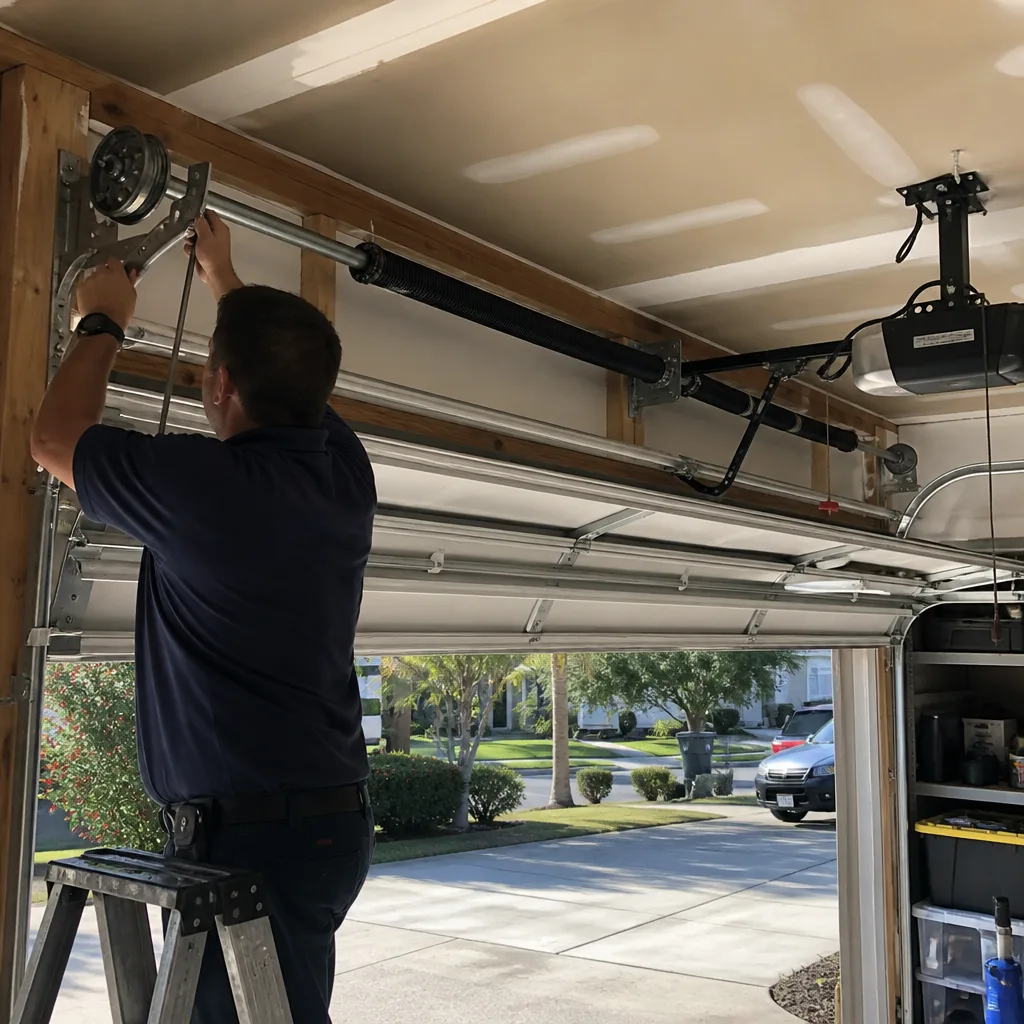 After
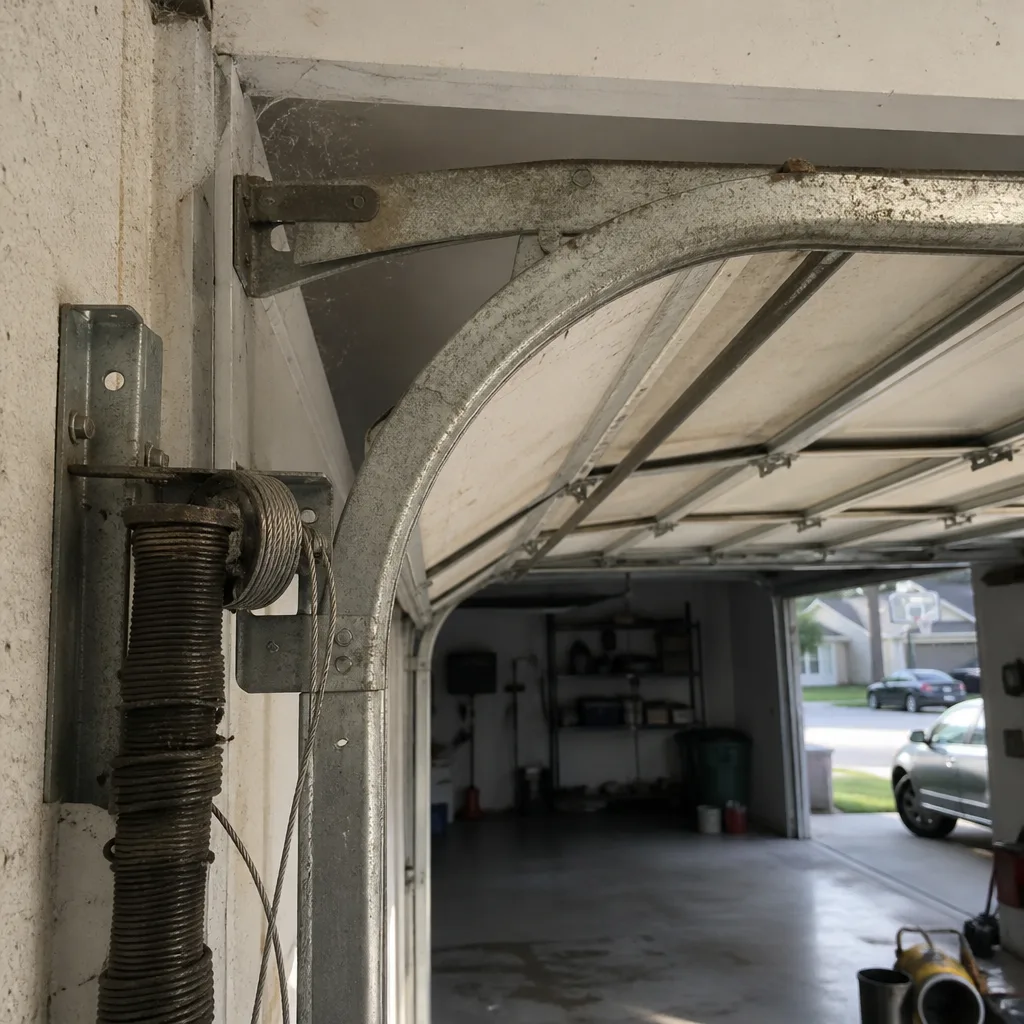 Before
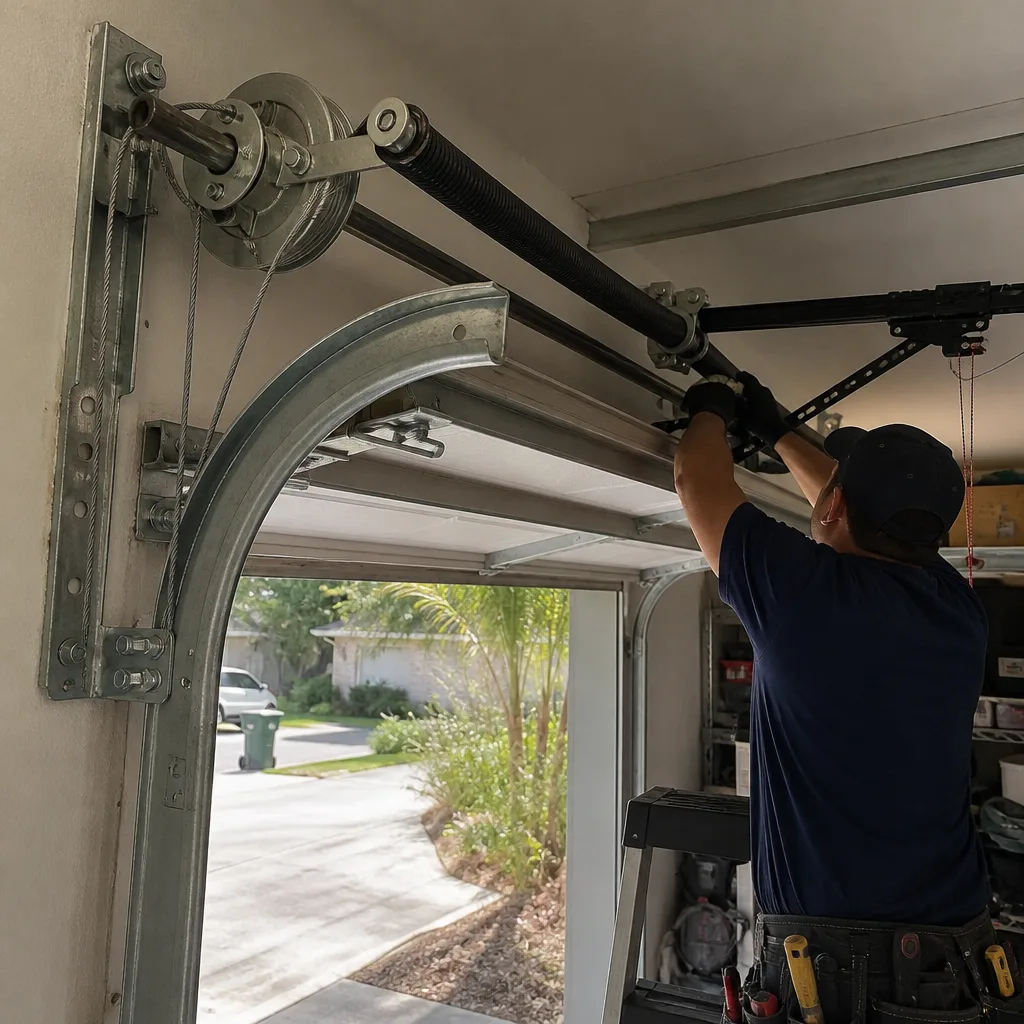 After
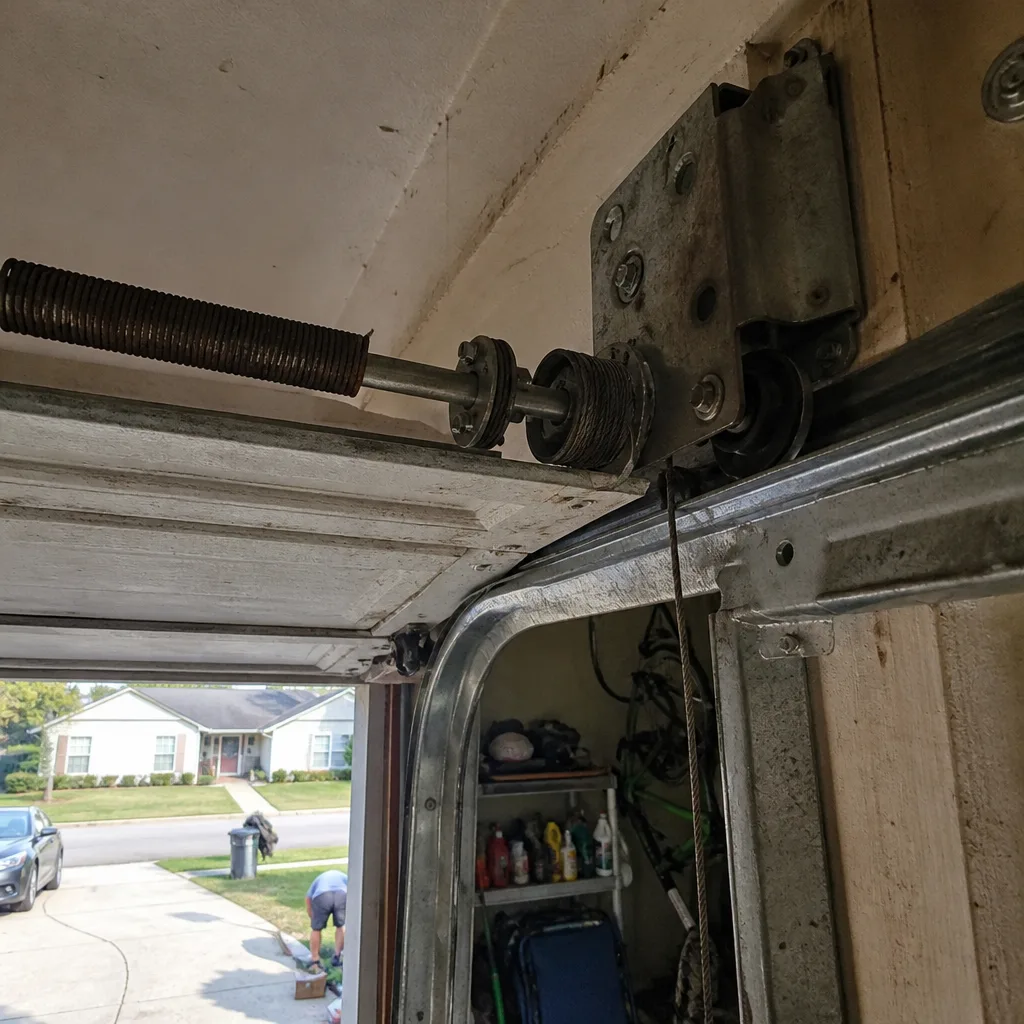 Before
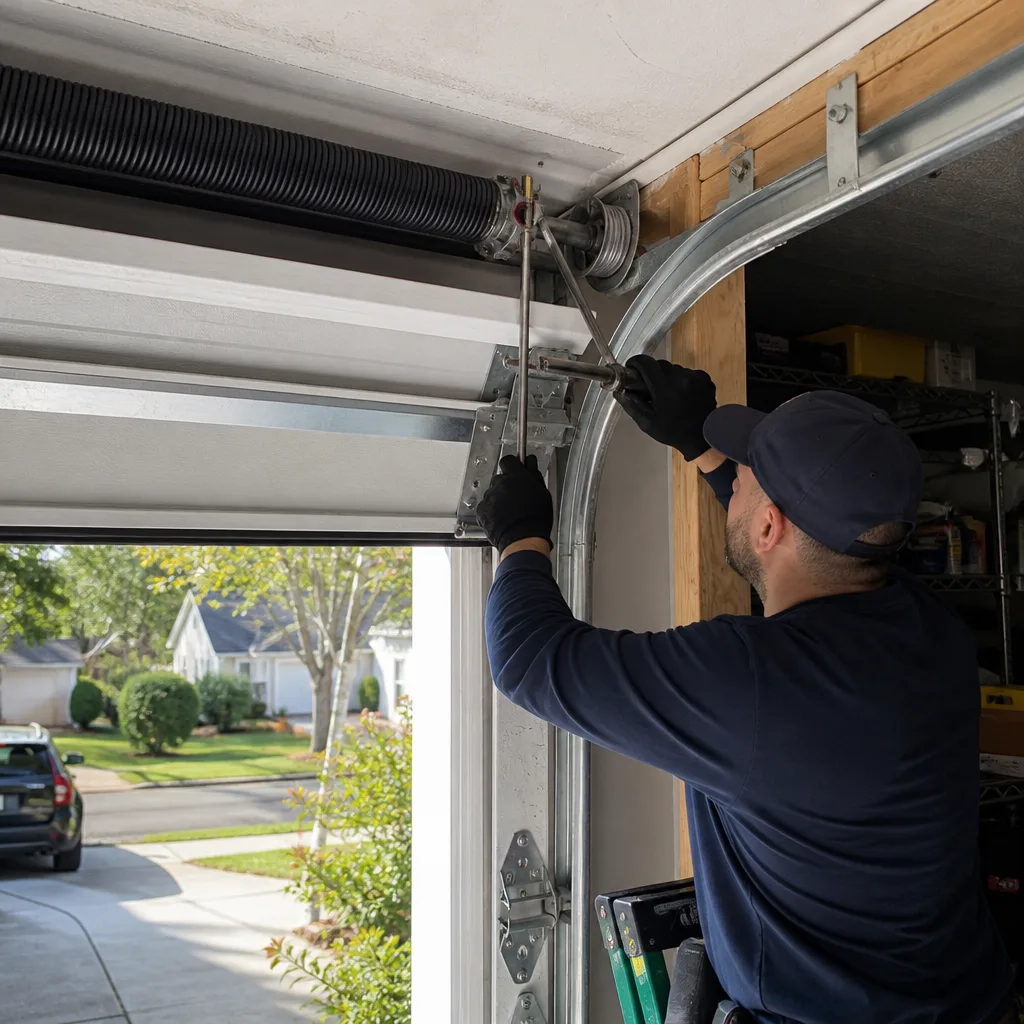 After
When to Call a Professional
If your monthly inspection reveals a frayed cable, a spring with visible rust or gaps, a door that doesn’t balance, or an opener that fails the auto-reverse test, stop using the door immediately and call for service. A broken spring under tension is dangerous even when it’s not moving. A cable that’s begun to fray will snap under the full weight of the door, and the result is a door that slams shut with nothing controlling its descent. Garage Door Repair in Jacksonville covers spring replacement, cable replacement, roller replacement, track realignment, and panel repair. Main Street Garage Door Repair offers free estimates in Jacksonville. Call (833) 467-4139 and describe what you’re seeing, and we’ll give you an honest assessment over the phone before we ever schedule a visit.
Frequently Asked Questions
Lubricate your garage door every three months during Jacksonville’s humid season (April through October) and once in January for a mid-winter touch-up. Silicone-based lubricants last 60 to 90 days in our humidity before breaking down, so quarterly application keeps moving parts protected year-round.
Rust on torsion springs and bottom bracket cables is the most common problem we see in Jacksonville, driven by our coastal humidity and salt air. It’s why spring inspection should be part of every monthly visual check, and why we recommend lubrication even when the door seems to be working fine. Call (833) 467-4139 if you spot rust forming on any spring component.
Yes, the monthly inspection, weatherstripping checks, lubrication, and auto-reverse testing are all homeowner-appropriate tasks. The line you should not cross is anything involving springs, cables under tension, or opener electrical work. Those components store dangerous amounts of energy and require professional training to service safely.
A professional maintenance visit in Jacksonville typically costs $75 to $150, depending on the scope and your door’s condition. DIY maintenance with quality lubricant and replacement weatherstripping costs $30 to $60 per year. Call (833) 467-4139 for an exact quote on a maintenance tune-up. Estimates are free.
A well-maintained garage door in Jacksonville lasts 15 to 20 years for steel models, while Amarr and Wayne Dalton doors we install regularly reach that range with proper care. The springs and cables will need replacement every 7 to 10 years regardless of door condition, because those parts wear faster in humid conditions.
Yes, April is the right time to prepare your garage door for hurricane season in Jacksonville. Test the balance, lubricate all moving parts, tighten track bolts, and verify your opener’s surge protection. A door that operates reliably before storm season is far less likely to fail when you need it during an evacuation or power outage.
The Bottom Line
Jacksonville’s garage doors don’t fail on a national schedule. They fail on a Florida schedule, driven by heat, humidity, salt air, and storm pressure. The maintenance checklist above reorders the standard advice around that reality: April preparation, monthly inspections during hurricane season, and a post-storm assessment in November. Five minutes a month and a can of the right silicone lubricant will prevent most of the common failures we see in our service area. And when your inspection turns up something that needs more than a quick fix, you know where to call. Garage Door Installation in Jacksonville is one of our core services alongside repair, and if replacement turns out to be the wiser investment for your door’s condition, we’ll tell you plainly. Call (833) 467-4139 for a free estimate, and we’ll help you figure out what your door actually needs.
Written by the team at Main Street Garage Door Repair, serving Jacksonville since 2018.