

Last updated October 31, 2026
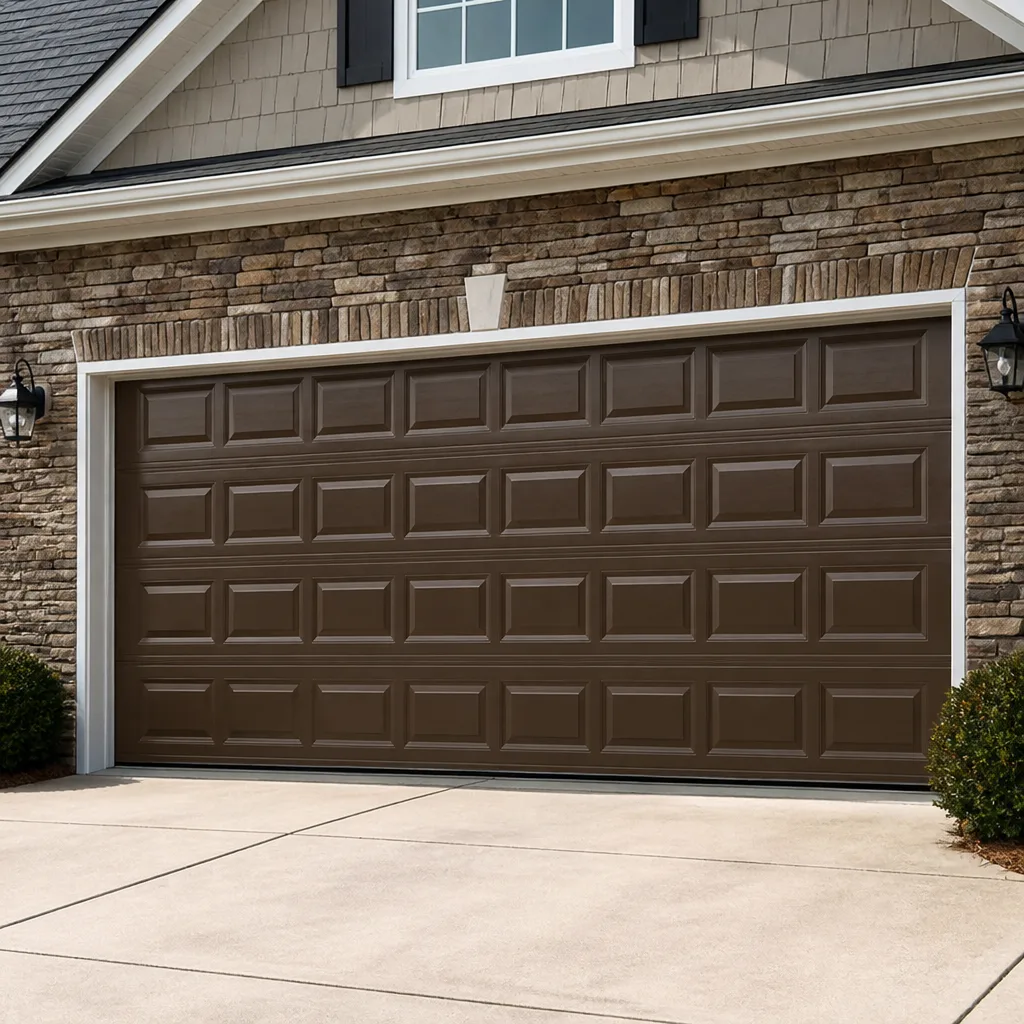 Raised-panel steel
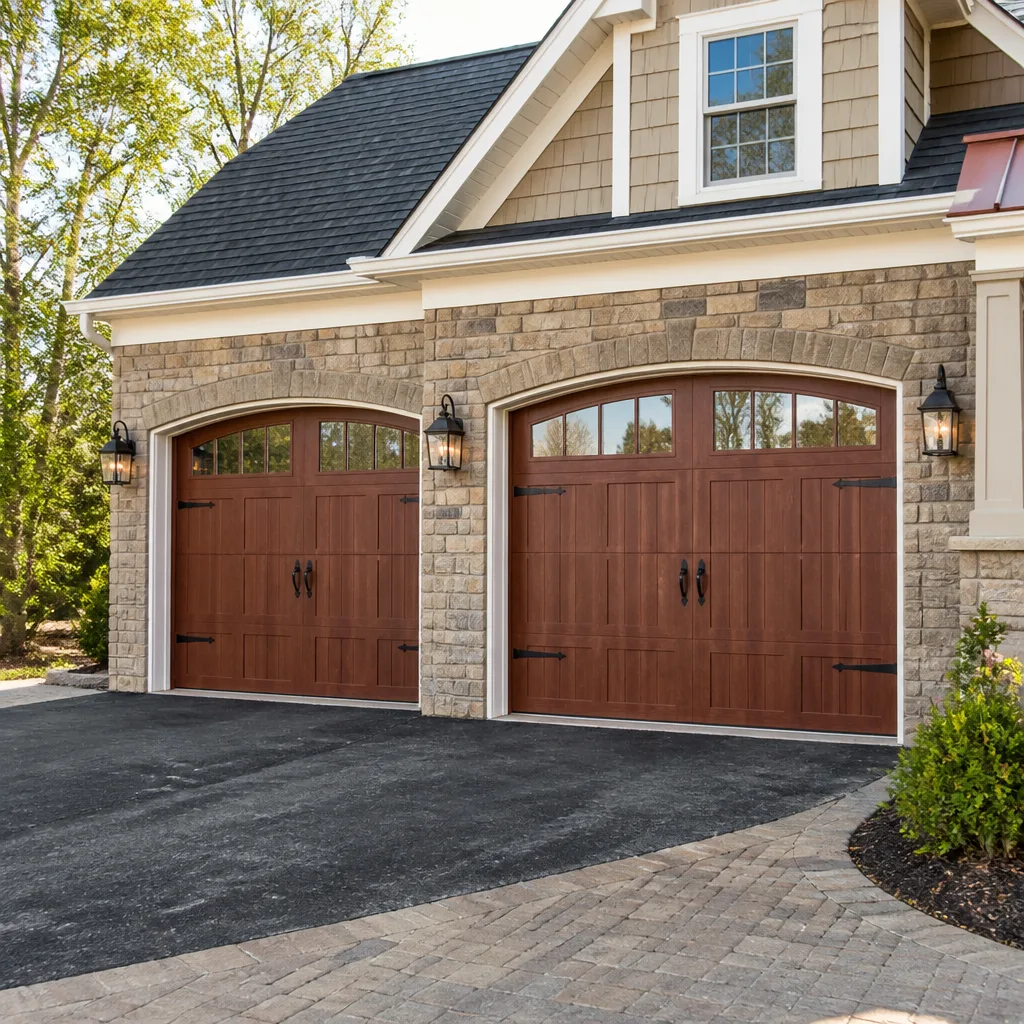 Carriage house
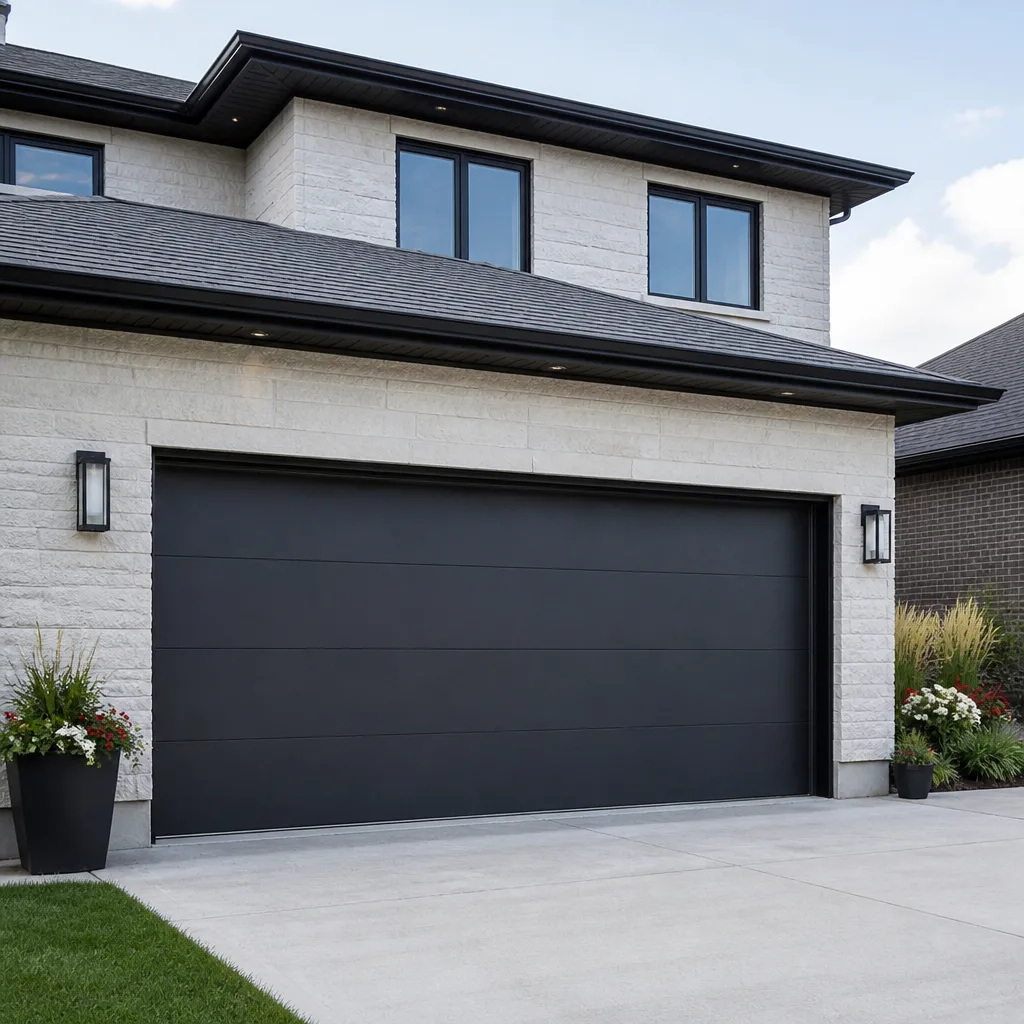 Modern flush
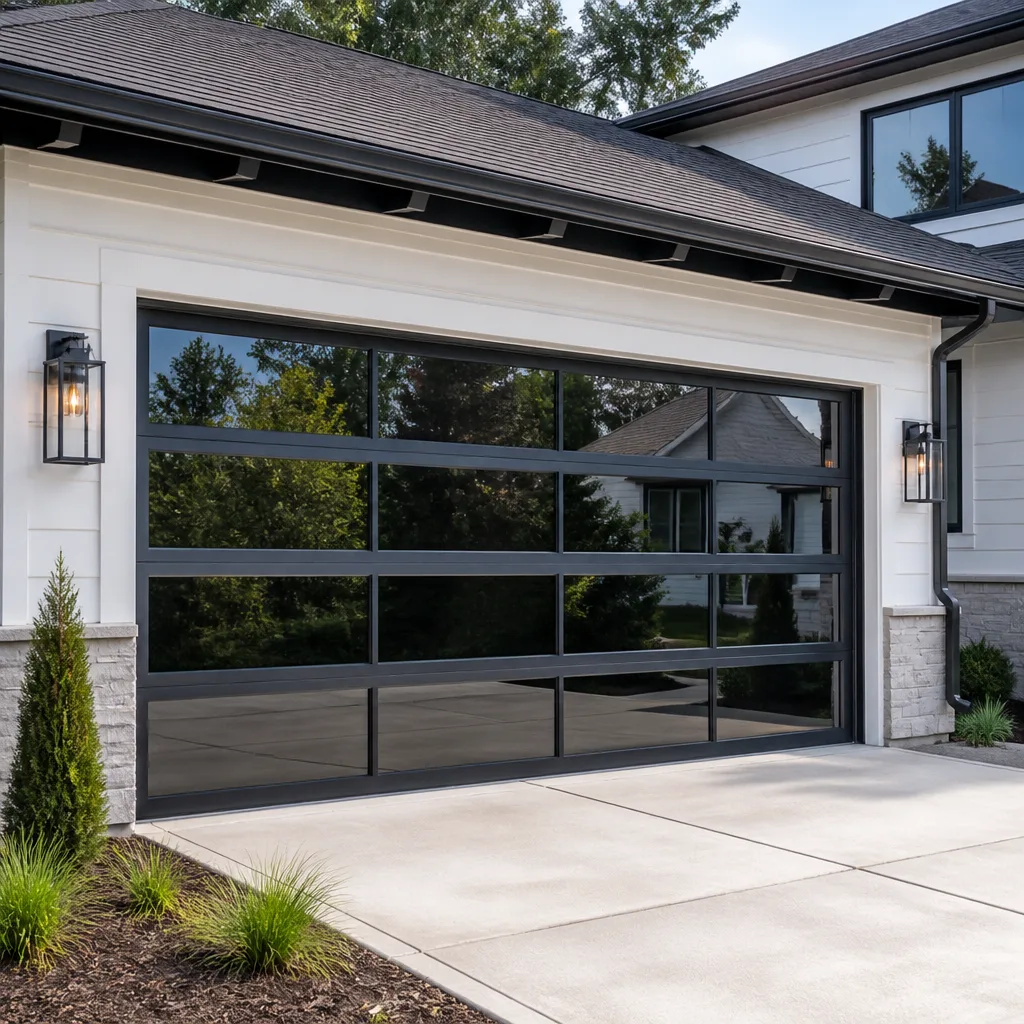 Full-view glass
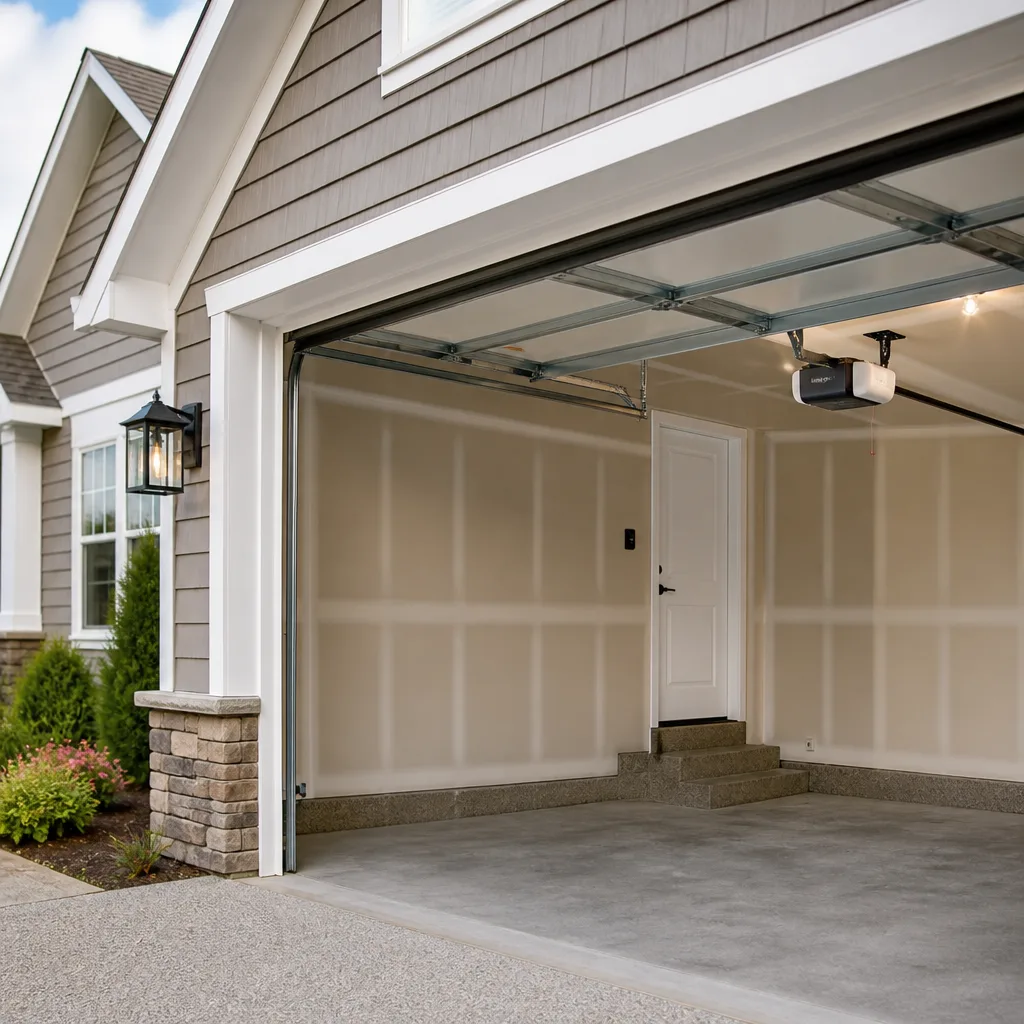 LiftMaster openers
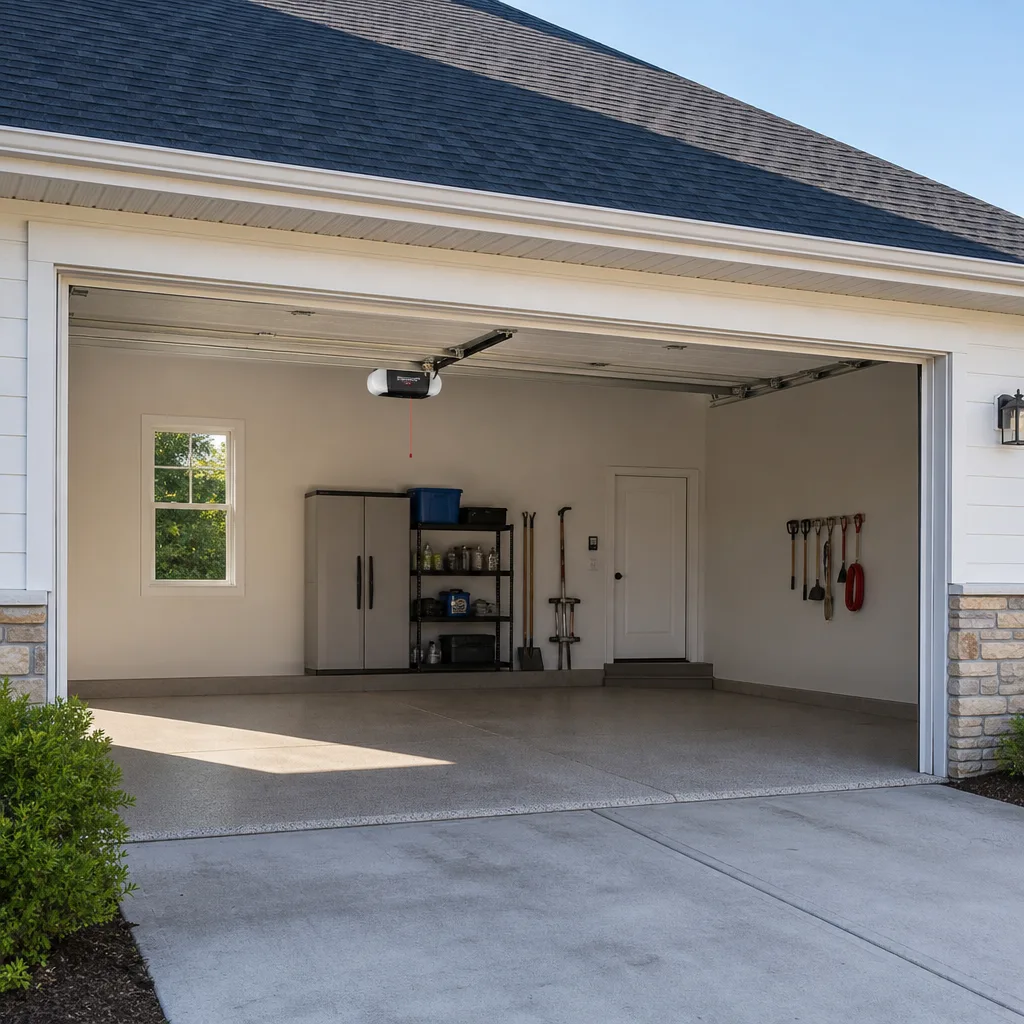 Chamberlain openers
Full 25-point door and opener safety check with every visit - springs, cables, rollers, tracks, and your LiftMaster or Chamberlain opener included
You get a price before we start. It does not change when the truck arrives.
Get your free estimateGarage Door Permits, Codes & Inspections in FL: What You Need to Know
Here’s a stat that surprises most Jacksonville homeowners: a garage door is officially classified as a “wall” in Florida building code. Not a door. Not an accessory. A wall. That single classification changes everything about permits, inspections, and insurance. Because when a garage door counts as part of your home’s structural envelope, installing one without the right paperwork isn’t a minor oversight. It’s a structural alteration performed without oversight. If you’re in Jacksonville, where hurricane season shapes every building decision, getting this wrong can cost you far more than a fine. This guide walks through exactly when you need a permit in Duval County, what the wind load codes actually require for your specific zone, and what to do if you discover an unpermitted door was installed years ago. For Garage Door Warning Signs: A Jacksonville Homeowner’s Reference Guide, see our companion resource.
Quick Answer: In Florida, and specifically in Jacksonville, a garage door replacement generally requires a building permit when the door itself, the framing, or the surrounding wall structure is being modified. A like-for-like replacement of the door panel sections only, with no structural changes, is often exempt. But any new opening, enlargement, or change to the wind load rating on your home falls under Duval County permitting requirements. The governing document is the Florida Building Code (FBC), and in Jacksonville, the local authority is the City of Jacksonville Building Inspection Division. Your door must meet specific wind load and impact resistance standards based on your property’s location within the wind speed map of Florida.
Styles & brands we work with
Table of Contents
- Florida Garage Door Code Basics: The “Wall” Classification
- When a Permit Is Required in Duval County (and When It’s Not)
- Understanding Florida’s Wind Load Zones and Product Approval Numbers
- What the City of Jacksonville Building Inspector Actually Checks
- Contractor vs. Homeowner: Who Pulls the Permit?
- Retroactive Permitting: Fixing an Unpermitted Installation
- Common Mistakes to Avoid
- When to Call a Professional
- Frequently Asked Questions
- The Bottom Line
Florida Garage Door Code Basics: The “Wall” Classification
Under the Florida Building Code, a garage door is considered part of the building’s exterior wall system. That means it’s regulated under the same structural and wind load provisions as your home’s windows, exterior doors, and roof sheathing. When a hurricane hits Jacksonville, your garage door is often the largest single opening on the windward face of your home. If it fails, the pressure change inside the garage can lift your roof. That’s not a theoretical risk. It’s a documented failure pattern in Florida hurricanes, and it’s precisely why the code treats garage doors with the same seriousness as load-bearing walls.
The specific code sections that govern garage doors in Florida include FBC Chapter 16 (Structural Design) and FBC Chapter 17 (Special Inspections and Tests). For residential work, the Florida Building Code, Residential Volume, Section R309 covers garage and carport provisions. Within those sections, you’ll find requirements for wind load resistance, impact protection (either impact-resistant products or hurricane shutters), and the proper anchoring of the door tracks and jambs. HVAC and electrical provisions, if your opener moves to a new location or your new door includes insulation that changes the garage’s thermal envelope, fall under separate chapters but trigger the same permit.
In Jacksonville, the local amendments to the FBC don’t loosen these requirements. The City of Jacksonville Building Inspection Division enforces the state code directly, and Duval County lies in a high-velocity hurricane zone (HVHZ) for certain construction types, though most single-family residential garage doors fall under the “Wind-Borne Debris Region” designation, which we’ll explain below. The practical takeaway: your garage door’s structural performance is regulated by state law, and the city verifies compliance through permitting and inspections.
Garage Door Installation in Jacksonville work we do always accounts for these code requirements on day one, not as an afterthought when the inspector arrives.
When a Permit Is Required in Duval County (and When It’s Not)
The simplest way to think about permits in Duval County is scope-based. The city doesn’t require a permit for every garage door touch. It requires one when the work changes the structure, the opening, or the door’s rated performance. Here’s how that breaks down in practice.
Work that generally requires a building permit in Jacksonville:
- Any new garage door opening cut into an existing wall.
- Enlarging an existing garage door opening, even by a few inches.
- Replacing a garage door with a different size, panel profile, or structural design that changes the wind load calculation.
- Converting a garage to living space, which involves removing or replacing the door with a wall.
- Replacing a door on a home that previously had a code violation or unpermitted work flagged.
- Installing a door that requires new framing, new header installation, or structural reinforcement of the jambs.
- Replacing a garage door on a commercial property or multi-family structure, where stricter structural and fire separation rules apply.
Work that is often exempt, or treated as a “like-for-like” repair, in Jacksonville:
- Replacing individual panel sections on an existing door with identical panels from the same manufacturer.
- Replacing broken springs, cables, rollers, or hinges, provided the door’s structure and opening aren’t altered.
- Servicing or replacing a garage door opener where the electrical connection exists and no circuit modifications are needed.
- Replacing weather stripping, seals, or bottom retainers.
- Repainting or cosmetic work that doesn’t change the structural components.
The key phrase the city uses is “structural modification.” If the work touches the header, the jambs, the foundation anchor points, or the opening dimensions, expect to need a permit. If it’s purely replacement parts inside an existing opening, you’re usually clear. But there’s a nuance: “like-for-like” in Florida doesn’t just mean the same size. It also means the same design wind pressure rating. If your old door was rated for 130 mph and the new one is only rated for 110 mph, even if it’s the same size, you’re downgrading the home’s structural envelope. That change requires a permit and likely won’t pass inspection.
We tell Jacksonville homeowners this: if you’re changing the door’s physical footprint or its structural rating, permit it. If you’re fixing what’s already there, you’re fine. A reputable Garage Door Repair in Jacksonville company should be able to tell you which category your job falls into before any work begins.
Understanding Florida’s Wind Load Zones and Product Approval Numbers
Florida doesn’t have one wind load rule. It has a graduated wind speed map, and Jacksonville sits in a region where the design wind speed for most single-family homes ranges from 120 mph to 150 mph depending on your exact location and elevation. The Florida Product Approval system, managed by the Florida Department of Business and Professional Regulation, maintains a database of every approved building product for high-wind use. Your garage door must have a Florida Product Approval Number (also called an FL number) or a Miami-Dade County Notice of Acceptance (NOA) to be legally installed in Jacksonville. There’s no exception for “standard” doors sold at retail.
Here’s how to read that approval number. Every approved product carries a tag or label with an FL number, such as “FL12345.1”. The number identifies the specific product, the manufacturer, and the version of the testing it passed. You can look up that number in the Florida Product Approval database online. What you’re checking for is three things:
- Design pressure rating. The product must be rated for at least the design wind pressure (DP) required for your property’s wind zone in Duval County. For most Jacksonville homes, that means a DP rating of 25 to 50 psf depending on site conditions.
- Impact resistance. If your home is in a Wind-Borne Debris Region, which includes most of Duval County, the door must either be impact-resistant (large-missile tested) or protected by a hurricane shutter or screen rated for the same opening.
- The approval matches the installation. An approval is only valid when the product is installed per the manufacturer’s published installation instructions and the anchoring details in the approval document.
In our experience in Jacksonville, the most common code failure at inspection is a mismatch between the door’s product approval and the actual installation. For example, someone installs a Clopay or Amarr door with a valid FL number, but the installer uses generic concrete anchors instead of the specific anchors listed in the approval. That’s a fail. Or they install a door without the reinforcement struts called for in the approval to meet the pressure rating. That’s also a fail. We regularly see doors from major brands like Chamberlain, Genie, Clopay, and Amarr installed correctly in the factory sense, but incorrectly for Florida’s code requirements because the anchoring or reinforcement was skipped. Our Garage Door Repair Troubleshooting: Common Problems and How to Fix Them covers how to spot these issues early.
The bottom line: before any garage door goes in, confirm the FL number, confirm the DP rating matches your zone, and confirm the installer follows the published anchoring details. If those three boxes aren’t checked, the door isn’t legal in Jacksonville, and your inspector will catch it.
What the City of Jacksonville Building Inspector Actually Checks
If your project requires a permit, here’s what the inspection process looks like in Jacksonville, step by step.
- Permit application and plan review. You or your contractor submits the permit application to the City of Jacksonville Building Inspection Division, along with product specifications, the Florida Product Approval, and often a drawing showing the existing and proposed opening dimensions and wind load calculations.
- Permit issuance. Once plans are approved, the permit is issued and the work may begin. The permit will list the required inspections.
- Rough-in inspection (if applicable). For new openings or enlarged openings, the inspector checks the header, the jamb reinforcement, and the anchor bolts before the door is hung. This is the stage where structural mistakes get caught early.
- Final inspection. Once the door is installed, the inspector verifies that the installed product matches the approved plans, that the FL number label is present and legible, that the door’s operation is smooth, that the safety reverse mechanism works (for openers), and that the wind load reinforcement is in place as specified.
- Certificate of completion. When everything passes, the permit is closed out and you receive documentation. Keep this document. Your insurer may ask for it after a storm.
The inspector is not going to test your opener’s force settings or check your torsion spring balance unless there’s an obvious defect. But they absolutely will check the structural anchor points, the door’s product approval label, and the presence of any required reinforcement struts. In Jacksonville, where the inspector sees hundreds of garage doors a year in a hurricane-prone climate, they know exactly what a code-compliant door looks like. A missing FL label or the wrong anchors will not slide past.
One clarification: the City of Jacksonville does not inspect every like-for-like panel replacement. Those exempt jobs don’t get a city inspector. The responsible party then is the homeowner and the installer. That’s a good reason to choose an installer who works to code even when nobody is watching. It’s not about passing a test. It’s about the door staying attached to your house when 120 mph winds hit.
Contractor vs. Homeowner: Who Pulls the Permit?
Florida statutes are clear on this point. The licensed contractor who performs the work is legally responsible for pulling the permit. Florida Statutes Chapter 489 requires licensed contractors to obtain the necessary permits and schedule inspections for work they perform. A homeowner can, in theory, pull an owner-builder permit for work on their own primary residence, but homeowner-pulled permits on structural work like garage doors are rare in Jacksonville and put the entire code liability on the owner.
What happens when a contractor skips the permit? The homeowner still bears the ultimate legal responsibility for the condition of the home. If an unpermitted garage door is discovered during a real estate transaction, it becomes the seller’s problem to resolve. If an insurer’s post-storm inspection finds an unpermitted door, the claim is the homeowner’s to fight. And if the City of Jacksonville gets a complaint or discovers unpermitted work through a code enforcement action, the property owner receives the violation, not the contractor. The contractor disappears. The homeowner is left holding the remediation cost.
This is why we tell Jacksonville homeowners to ask one question before hiring any garage door contractor: “Will you pull the permit, and will you put your license number on it?” A contractor who hesitates, or who says a permit isn’t needed for a job you suspect needs one, is a red flag. The permit is the paperwork that creates accountability. It ties the work to the installer’s license. It creates a trail that protects you later.
That said, the contractor is not responsible for everything. Homeowners are responsible for providing accurate information about the property: the year the home was built, any previous unpermitted work, and the property’s flood zone or special wind zone status. Homeowners are also responsible for keeping the permit documentation after the job closes. If a contractor pulls the permit and the final inspection passes, that documentation belongs in your home records folder, not the contractor’s file cabinet.
Retroactive Permitting: Fixing an Unpermitted Installation
You bought a house in Jacksonville five years ago. You’re now selling it, or you’re filing an insurance claim after a storm, and you’ve discovered the garage door was replaced without a permit. What now?
The fix exists, but it’s a process. The City of Jacksonville allows for “after-the-fact” permits for certain residential work. The steps look like this:
- Hire a licensed contractor to assess the existing door. The contractor checks the door’s product approval, its DP rating, and the anchoring against current code. If the door is compliant, great. If not, reinforcement or replacement may be required before any permit can be issued.
- Submit an after-the-fact permit application. This is the same permit application as normal work, but it notes that the work is already complete. Expect additional scrutiny from the Building Inspection Division.
- Address any deficiencies found during review. If the door doesn’t meet wind load requirements, or the anchoring is wrong, or the FL label is missing, those issues must be corrected. That may mean adding reinforcement struts, re-anchoring the tracks, or in some cases replacing the door entirely.
- Pass the final inspection. Once any corrective work is done, the inspector approves it and the permit closes. You now have documentation of compliance, which can satisfy a title company and give your insurer a record.
Word of caution: after-the-fact permits in Jacksonville typically cost more in fees than a standard permit, and the inspection standards are exactly the same as a new installation. There’s no leniency for “it was like that when I bought it.” If the door is not code-compliant, bringing it up to code is the only path to a closed permit. We’ve seen this scenario delay home closings in Jacksonville by weeks when the seller was unprepared.
The other path is for insurance claims. If your garage door failed in a storm and the insurer is questioning code compliance, an after-the-fact assessment from a licensed contractor documenting the door’s condition and any retrofits can support your claim. But that’s a reactive fix. The proactive fix is making sure the door is permitted and compliant before the storm season starts. Jacksonville’s storm season runs from June through November, and contractor availability tightens as the season approaches.
Garage Door Opener Repair in Jacksonville work, by the way, rarely triggers a permit on its own. But if your opener is being replaced as part of a larger code-compliance project on an unpermitted door, the opener’s electrical connection may be inspected as part of the corrective permit. A technician familiar with Chamberlain and Genie systems can advise on what’s needed and what isn’t.
Common Mistakes to Avoid
- Assuming “same size” means “same code.” A door that fits the opening is not automatically a compliant replacement. The new door must carry a Florida Product Approval for your wind zone in Jacksonville, and it must be installed to the approval’s anchoring details.
- Letting the contractor skip the permit because it’s “faster.” The permit is your protection. A faster job that leaves you with an unpermitted door becomes a slower, more expensive problem later.
- Buying a door online and hiring a handyman to hang it. Most online door sales do not include Florida-specific product approvals or wind load documentation. A handyman without a Florida contractor license cannot legally pull a permit for structural garage door work in Jacksonville.
- Ignoring the opener’s safety reverse requirements. Garage door openers installed after 1993 are required by federal law to have an auto-reverse feature. Florida code enforces this. An opener with a non-functioning safety reverse is a code violation and a genuine safety hazard.
- Failing to keep the permit and inspection records. The closed permit is the only proof you have that the door was installed legally. Lose it, and you may have to repeat the entire process to satisfy a buyer or an insurer. Keep it with your home’s closing documents.
- Using impact-rated glass but not impact-rated garage doors. We see Jacksonville homes with hurricane-rated windows and a garage door that would blow in at 90 mph. The garage door is the weak point in the wall. It needs to match the rest of the home’s wind resistance.
- Waiting until the door fails to think about permits. A door that’s 15 years old, rusting at the track anchors, and missing its approval label is not a repair job. It’s a replacement job. And replacement triggers permitting. Planning ahead avoids the rush and the higher costs of storm-season work.
When to Call a Professional
Garage door work in Florida is not a handyman project. The springs alone carry enough tension to cause serious injury, and in Jacksonville, the wind load requirements add a layer of engineering that most general contractors don’t carry in their licensing scope. Specific situations that warrant a licensed garage door specialist in Jacksonville include: any project requiring a structural permit, any door being replaced on a home in a Wind-Borne Debris Region, any door that has failed an inspection or been flagged by an insurer, any opener replacement that involves new electrical work or smart-home integration, and any door showing signs of track pull-out or header cracking, which indicates a structural anchor failure. If you’re uncertain whether your job needs a permit, a specialist can tell you before you spend money on the wrong fix.
Main Street Garage Door Repair offers free estimates in Jacksonville. Call (833) 467-4139 to find out whether your door job needs a permit, what your wind zone requires, and what a code-compliant installation actually costs. We work on your brand, whether it’s Clopay, Amarr, Chamberlain, Genie, or another major manufacturer, and we’ll tell you plainly if a repair makes more sense than a replacement. Our Main Street Garage Door Repair home team handles permits as a normal part of installation work, not an add-on surprise.
Frequently Asked Questions
Yes, if the replacement changes the door’s size, structural design, or wind load rating. A like-for-like replacement of panel sections only, with no structural modification and the same product approval rating, is generally exempt. When in doubt, call the City of Jacksonville Building Inspection Division or ask a licensed contractor to confirm. Call (833) 467-4139 for a free assessment of your specific job.
Permit fees vary based on the valuation of the work, but a typical residential garage door replacement permit in Jacksonville runs in the low hundreds of dollars, not counting any plan review fees. The exact cost depends on the declared job value and whether the work includes structural changes. Your contractor should itemize the permit fee separately in the quote.
Most single-family homes in Duval County require a garage door with a design pressure rating of 25 to 50 psf and a Florida Product Approval number that matches the property’s wind zone. The specific requirement depends on your address, elevation, and whether you’re in a Wind-Borne Debris Region. An installer familiar with Duval County code can confirm your exact requirement before ordering a door.
You can, but it will likely complicate the sale. Many buyers’ title companies and home inspectors flag unpermitted structural work in Duval County, and lenders may pause the transaction until the permit is resolved. The cleanest path is to obtain an after-the-fact permit through the City of Jacksonville before listing the home.
This is the risk we highlighted at the top. If a storm damages your garage door and your insurer determines the door was unpermitted or not code-compliant, they may deny the structural portion of your claim. Florida insurers have become stricter about code compliance after recent hurricane seasons. A permitted, inspected door is documented proof of compliance. An unpermitted door is your word against theirs.
Replacing an opener on an existing circuit, with no electrical work, generally does not require a building permit in Jacksonville. If the installation requires new wiring, a new circuit, or is part of a larger structural project, the electrical component does require permitting and inspection through the city’s electrical review process. A technician familiar with Chamberlain or Genie opener systems can tell you whether your opener job triggers any permit requirement. Call (833) 467-4139 for a straight answer.
The Bottom Line
Garage door permits in Florida are not bureaucratic busywork. They exist because a garage door is formally part of your home’s wind-resistant envelope, and in Jacksonville, that envelope gets tested by real storms. The decisions are straightforward: structural changes require a permit from the City of Jacksonville Building Inspection Division. Like-for-like parts replacement doesn’t. Every door installed in Duval County must carry a Florida Product Approval that matches your wind zone. The contractor pulls the permit, but the homeowner carries the long-term risk if someone skips it. And if you discover an unpermitted door, after-the-fact permitting is possible, but it costs more and offers no shortcuts. Permits, in the end, are the proof that your garage door will do its job when the wind shows up. Keep the paperwork. It’s the cheapest insurance you’ll ever hold. Explore more guides & resources to protect your home.
Written by the team at Main Street Garage Door Repair, serving Jacksonville since 2018.
See the difference
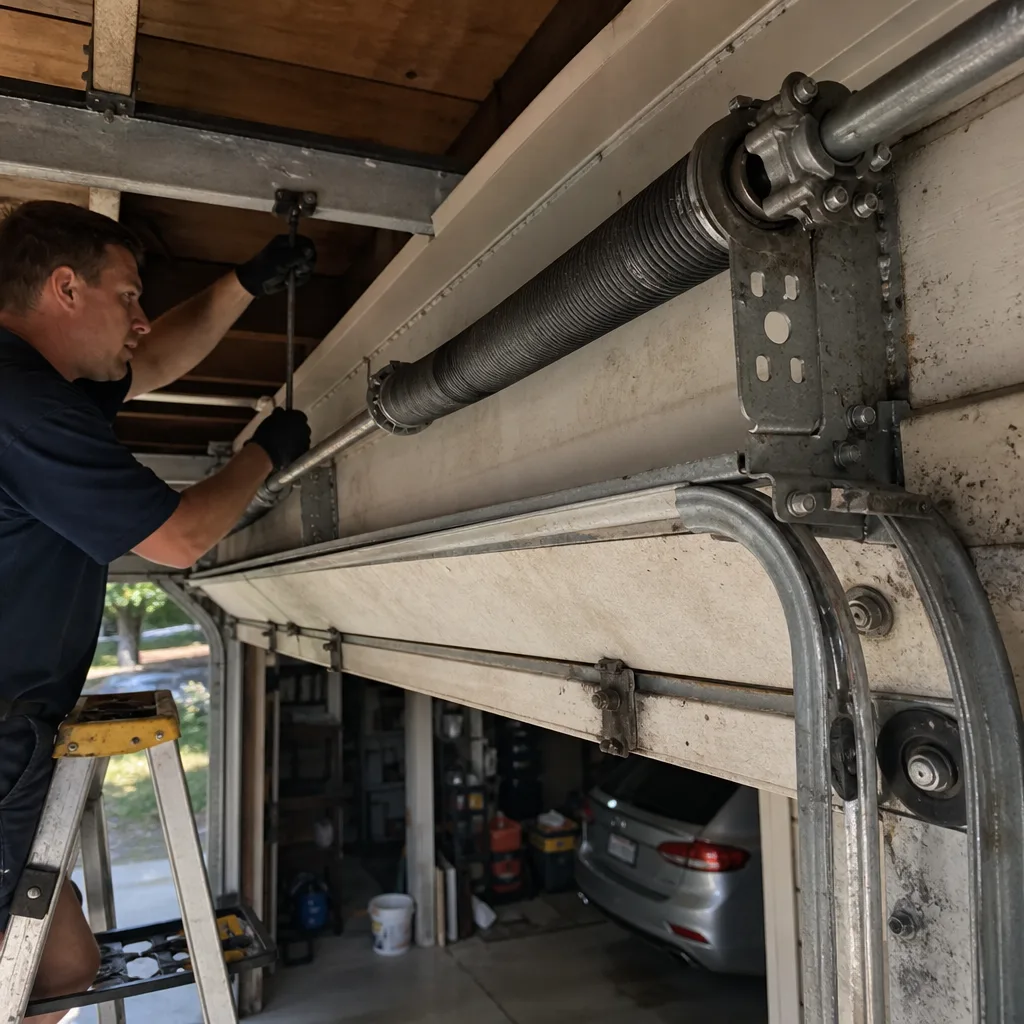 Before
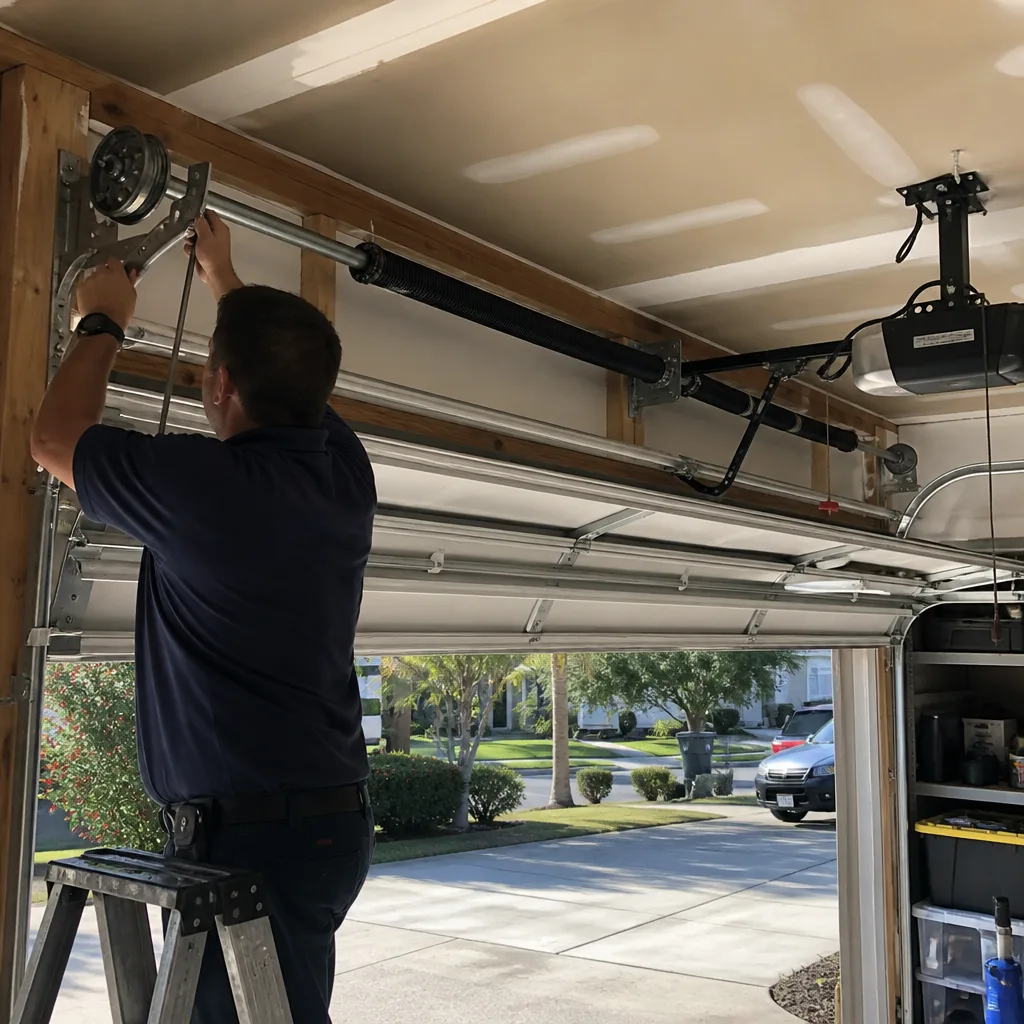 After
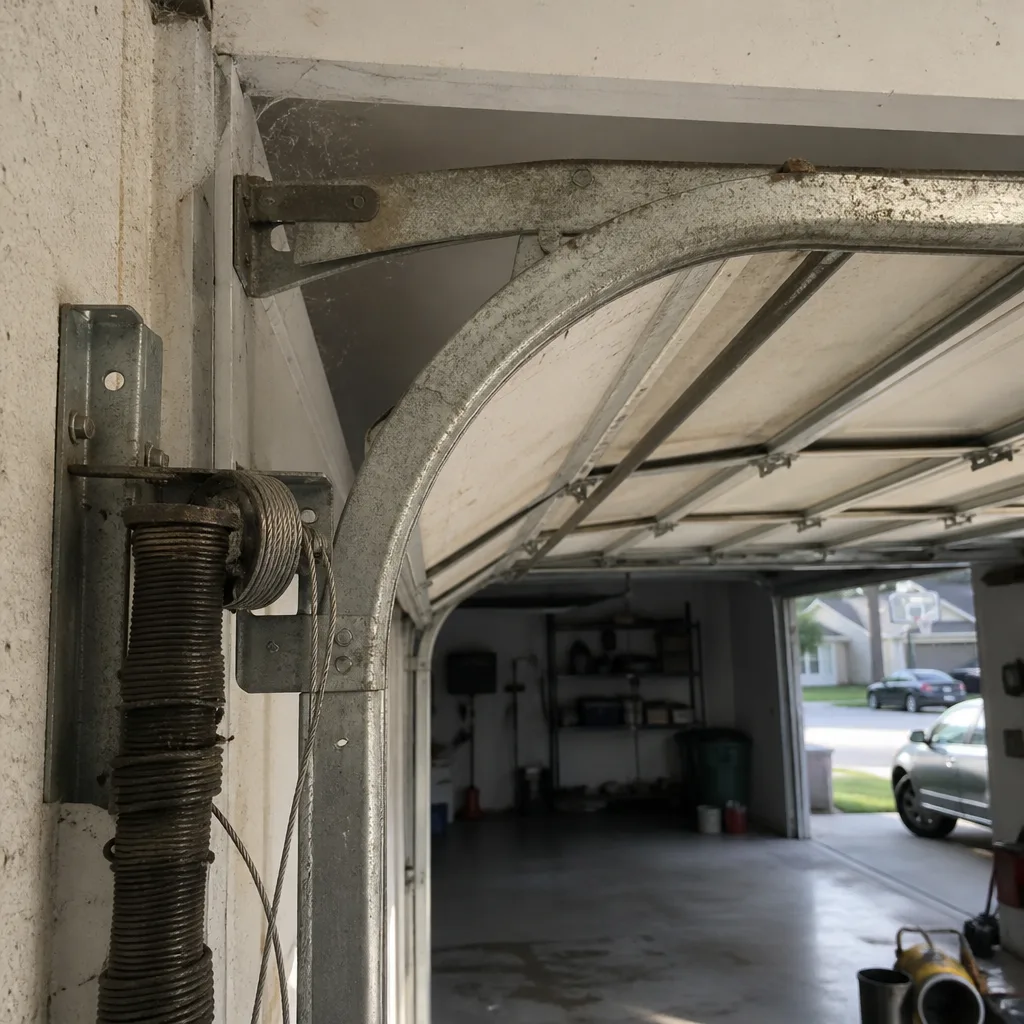 Before
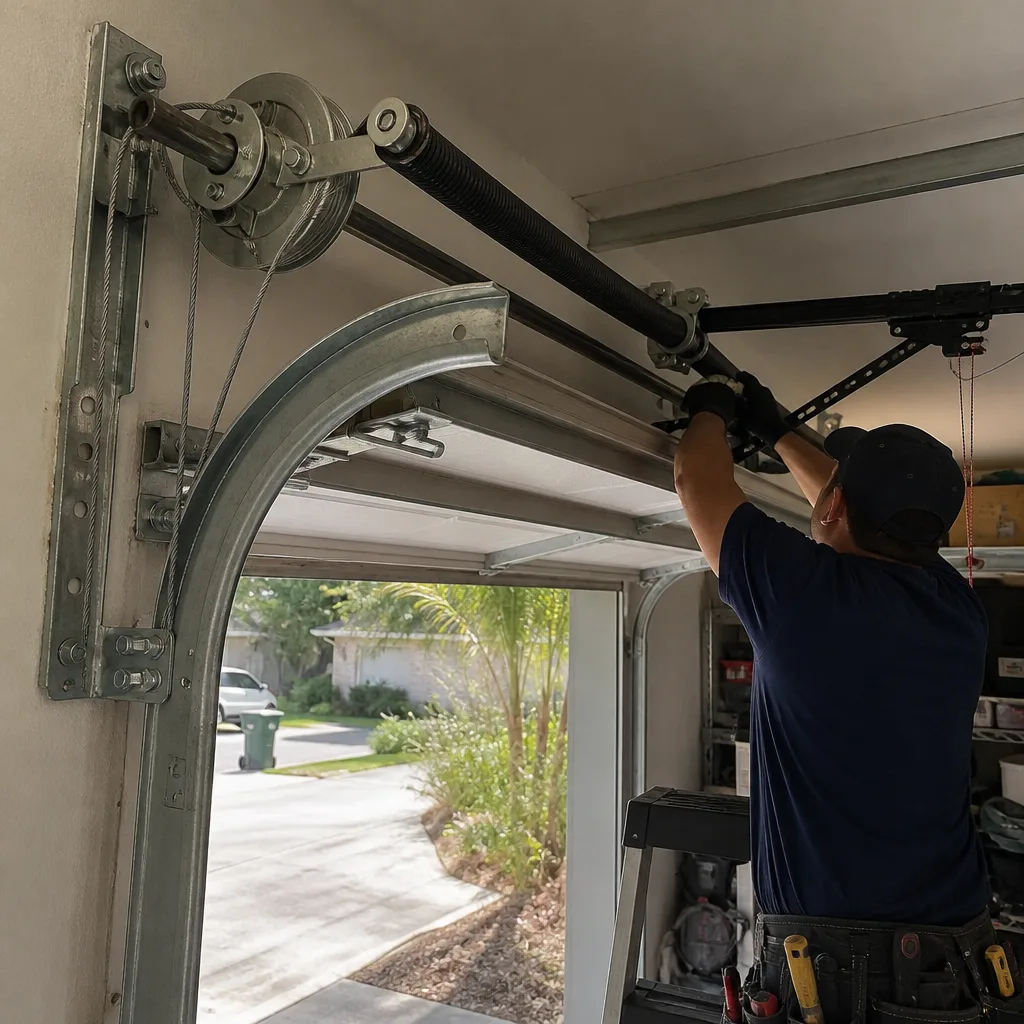 After
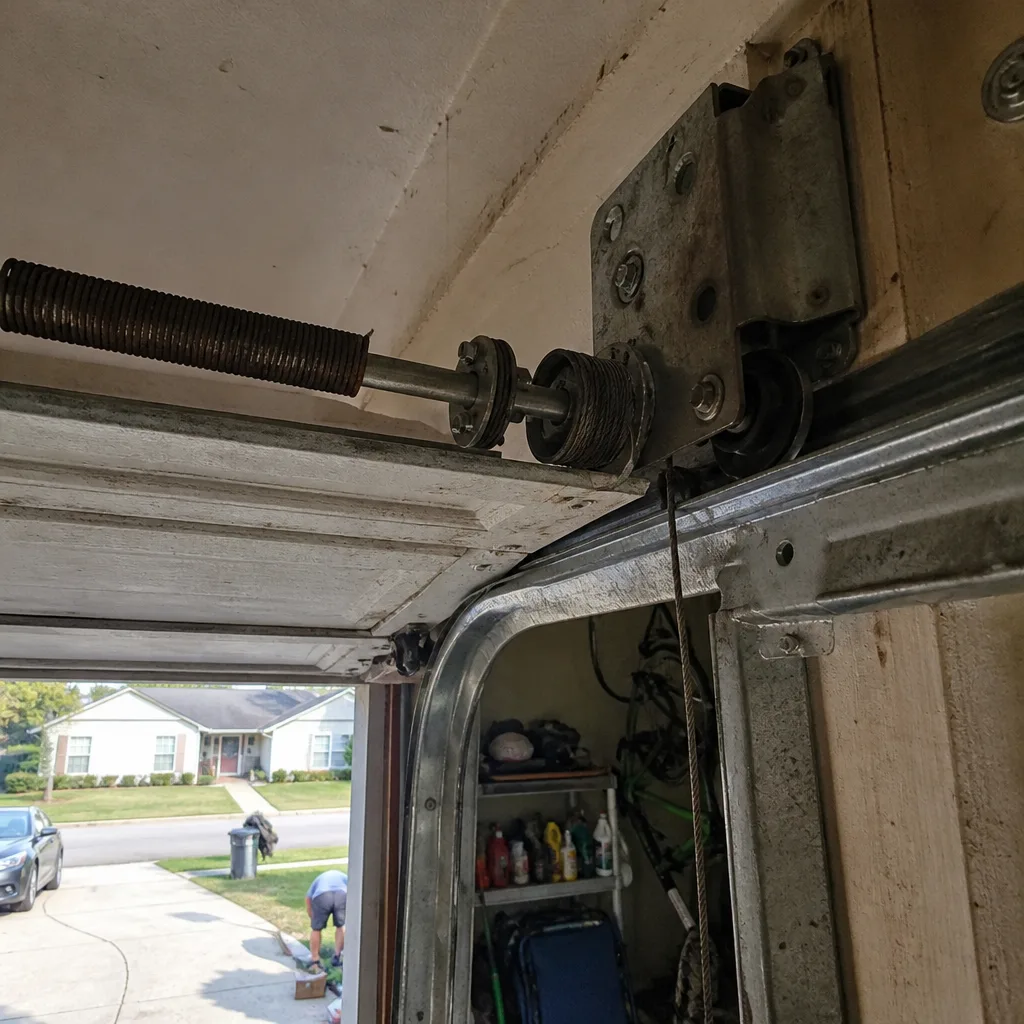 Before
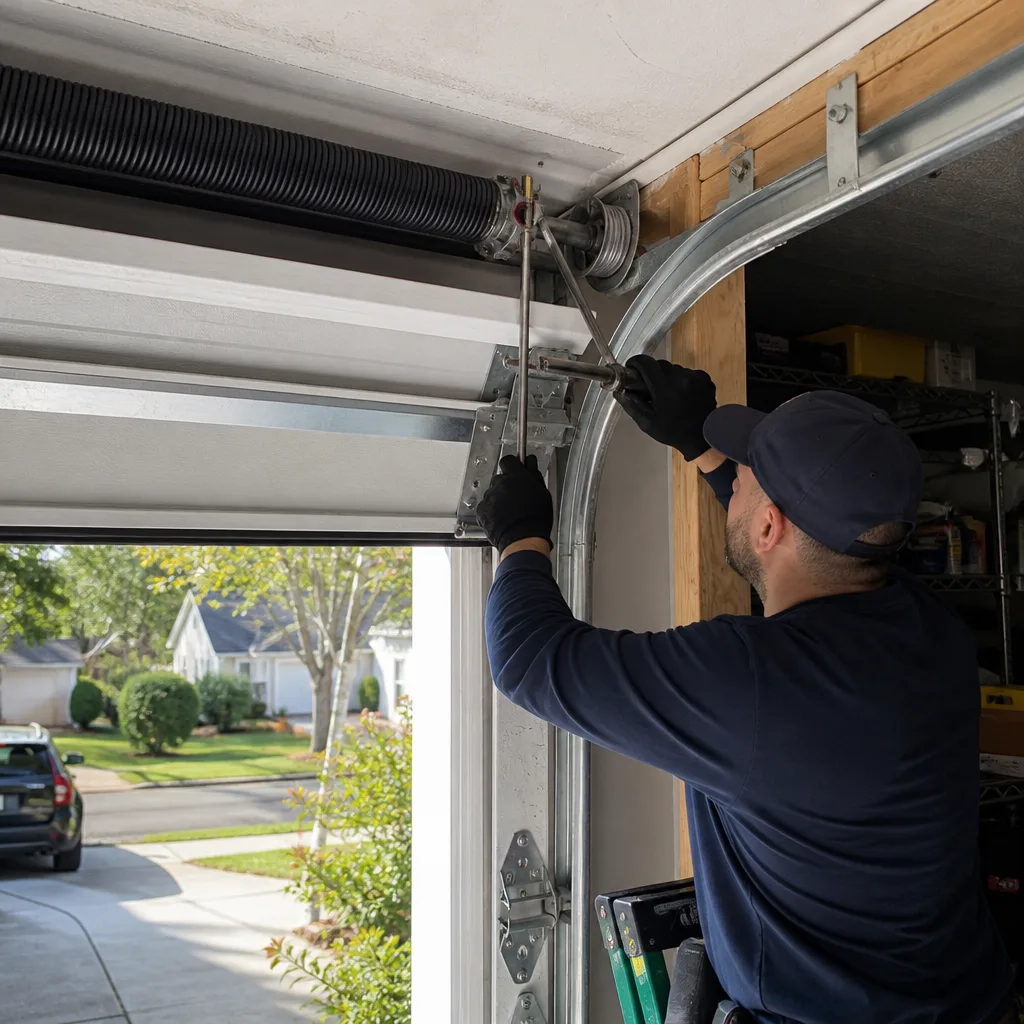 After