

Last updated October 31, 2026
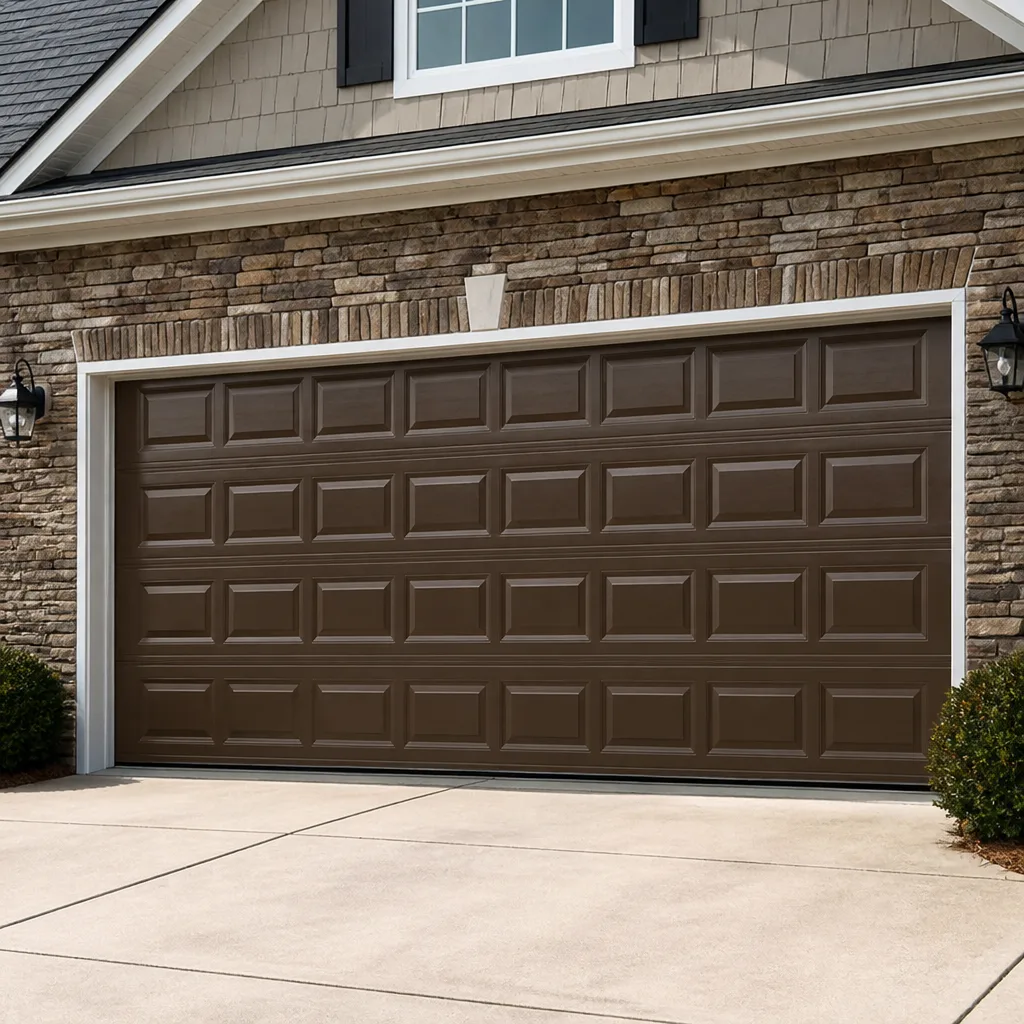 Raised-panel steel
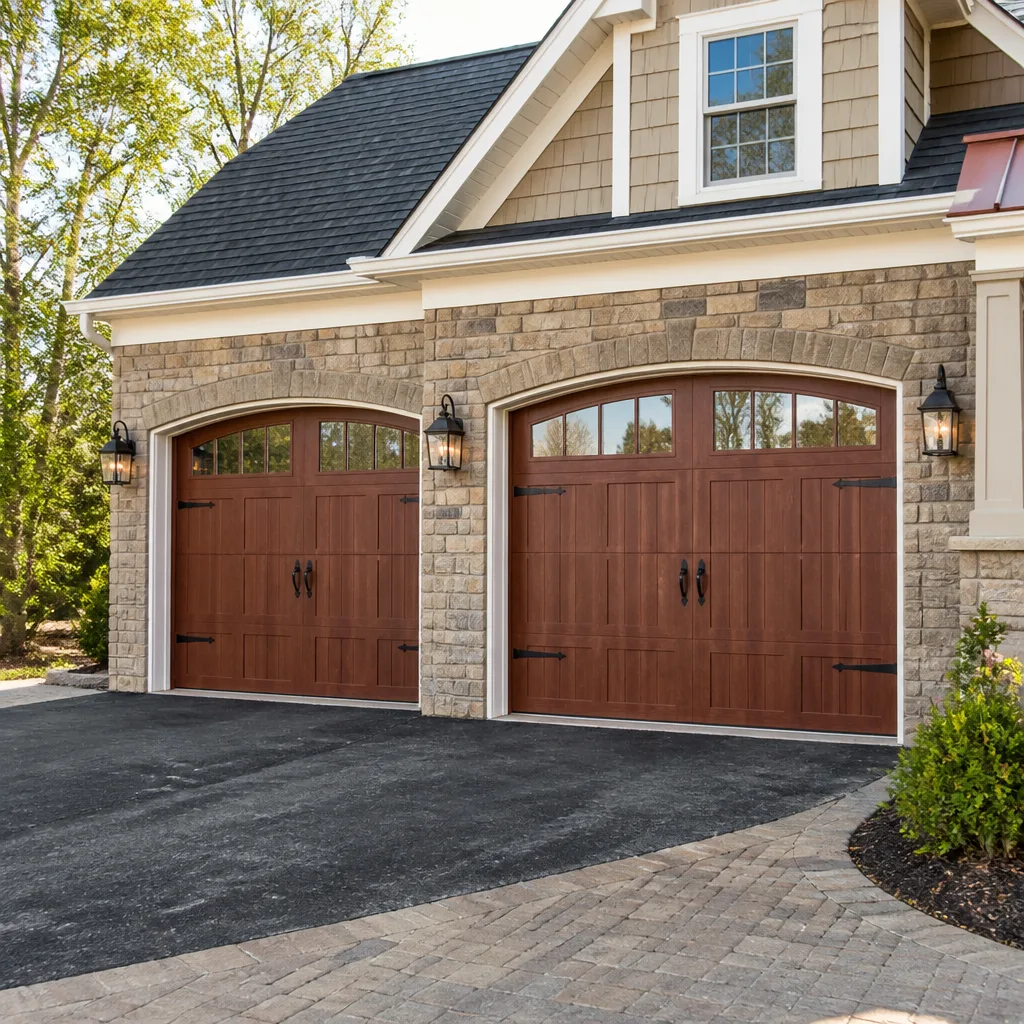 Carriage house
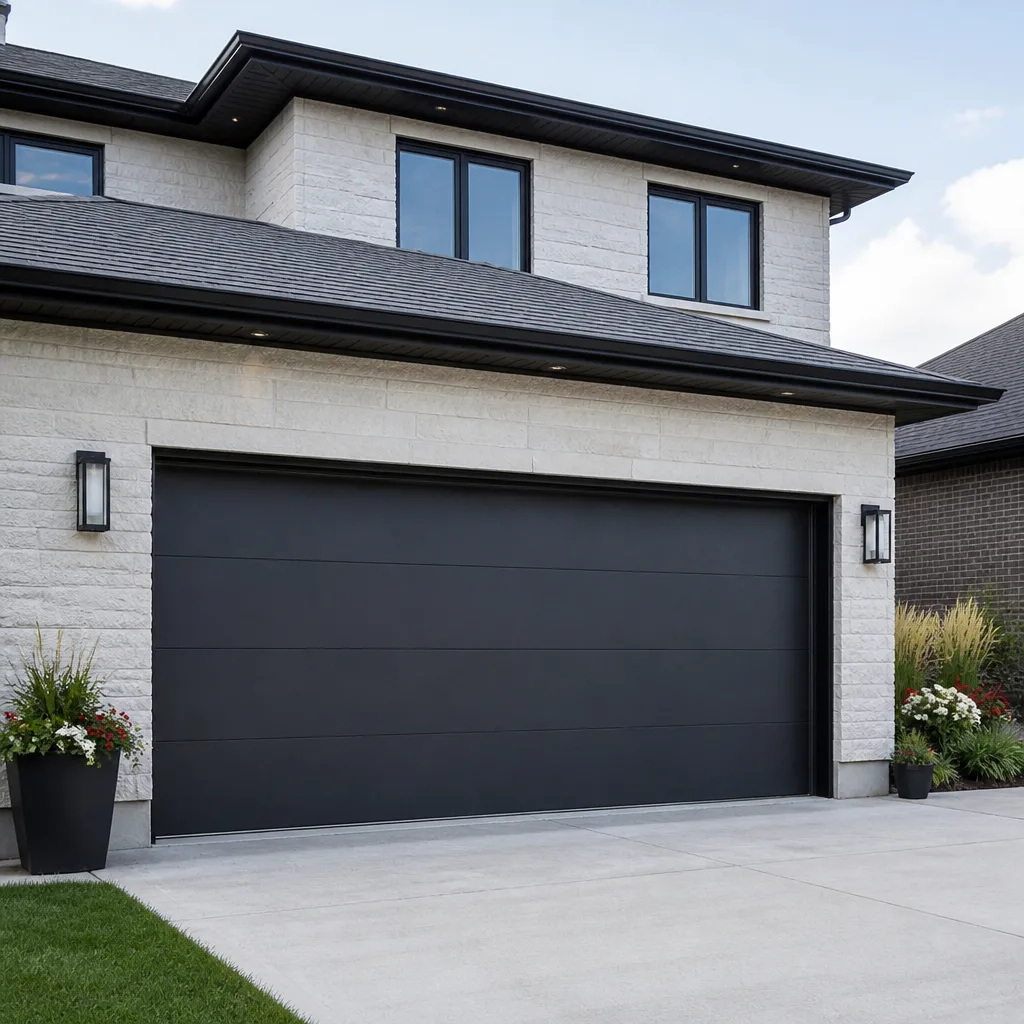 Modern flush
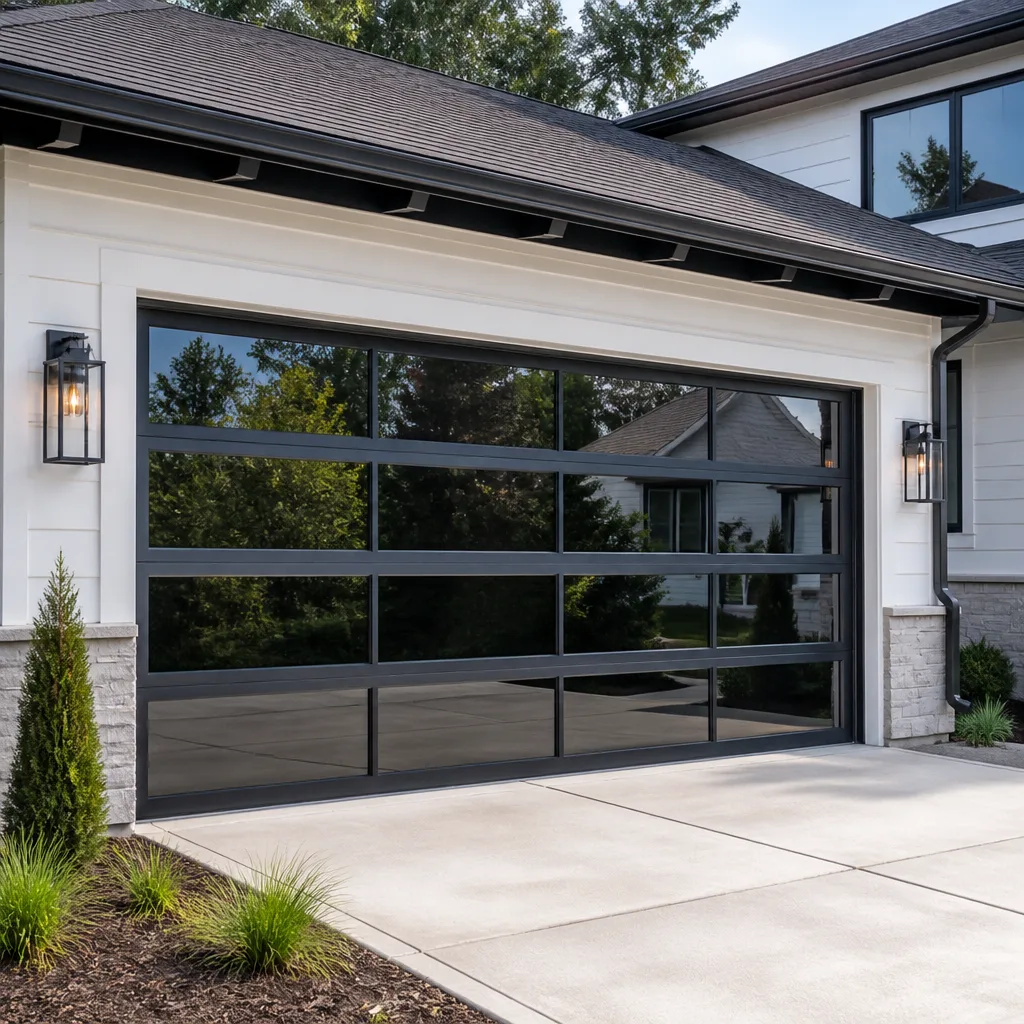 Full-view glass
 LiftMaster openers
 Chamberlain openers
Full 25-point door and opener safety check with every visit - springs, cables, rollers, tracks, and your LiftMaster or Chamberlain opener included
You get a price before we start. It does not change when the truck arrives.
Get your free estimateSeasonal Garage Door Care for Jacksonville: Year-Round Homeowner’s Guide
Jacksonville homeowners who follow a standard four-season garage door guide end up doing meaningless “winter prep” in December while ignoring the real threat: the back-to-back heat, humidity, and storm exposure that runs from May through October and accounts for the majority of local repair calls we see. A garage door in Jacksonville doesn’t face the freeze-thaw cycles of Minnesota or the dry heat of Arizona. It faces salt air, 90% humidity, afternoon thunderstorms, and the occasional hurricane. This guide reorganizes garage door maintenance around the two windows that actually matter here: the brutal humid summer and the mild dry stretch from November through February. By the time you finish reading our complete guide to garage door in Jacksonville, you’ll know exactly what to check, when to check it, and which tasks you can safely handle yourself versus which ones need a trained pro.
Styles & brands we work with
Quick Answer
Jacksonville garage door care works best on a two-season framework, not four. Run a pre-summer checklist every April (weatherstripping, opener battery backup, hurricane hardware) and a post-storm inspection after any major wind event between June and November. Then use the dry months from November through February for lubrication, spring tension checks, and any panel refinishing. Homes within 10 miles of the coast or Intracoastal should also add a monthly salt-air wipe-down of metal tracks, springs, and hinges.
Table of Contents
- Why Jacksonville’s Climate Demands a Different Schedule
- The Pre-Summer Checklist (April)
- Mid-Summer Storm Protocol (May – October)
- Post-Storm Inspection: What Wind Actually Breaks
- Dry-Season Maintenance Window (November – February)
- Salt Air Mitigation for Coastal Jacksonville Homes
- Common Mistakes to Avoid
- When to Call a Professional
- Frequently Asked Questions
- The Bottom Line
Why Jacksonville’s Climate Demands a Different Schedule
Jacksonville sits in a humid subtropical zone, which means long, sweltering summers with afternoon thunderstorms and a winter season that rarely dips below freezing for more than a night or two. The average summer high runs in the low 90s with humidity that pushes the heat index past 100. That moisture doesn’t just make you sweat. It accelerates rust on metal components, causes wood doors to swell, breaks down rubber weatherstripping faster than a dry climate ever would, and creates the perfect environment for mildew along door bottoms. Meanwhile, hurricane season officially runs June 1 through November 30, and Jacksonville’s position on the Atlantic coast means every named storm in the western Atlantic deserves at least a passing glance.
The practical takeaway: your garage door’s hardest months in Jacksonville are July, August, and September. That’s when we field the most calls for broken springs, snapped cables, inoperable openers, and weatherstripping failures. If you do nothing else this year, time your maintenance around those months.
If your door is already showing signs of age and you’re weighing repair versus replacement, take a look at our Garage Door Repair in Jacksonville page for details on the most common fixes we perform and what they cost.
The Pre-Summer Checklist (April)
By April, Jacksonville is already warming up. You want everything in place before the first extended heat wave and well before hurricane threats become a realistic concern. Here’s the checklist we walk through with Jacksonville homeowners every spring.
- Test the opener battery backup. Most modern openers from brands like Genie and LiftMaster include a battery backup, but those batteries often sit untested for years. Pull the opener’s release cord and trigger the remote while the unit is unplugged. If nothing happens, the battery is done. Replace it in April, not the day before a hurricane makes landfall.
- Inspect and replace weatherstripping. The rubber seal along the bottom of the door and the vinyl trim around the sides take a beating in Jacksonville’s sun and rain. If the bottom seal is cracked, flattened, or pulling away from the retainer, you’re inviting water, insects, and humid air into the garage. We usually see these need replacement every 2 to 3 years in Northeast Florida.
- Check hurricane hardware. If your garage door is storm-rated, confirm that the reinforcement struts are tight and the track brackets are secure. Even a builder-grade door benefits from at least knowing which fasteners are loose before 60 mph winds find them.
- Lubricate the rollers, hinges, and springs. Use a garage door specific spray lubricant (not WD-40, which is a solvent, not a long-term lubricant). The low humidity of late April in Jacksonville isn’t as ideal as January, but it’s still better than trying to do this in August.
- Run a balance test. Disconnect the opener and manually lift the door to waist height. A properly balanced door stays put. If it drops or shoots upward, the springs are at the end of their travel and need a professional look. Torsion springs under tension are dangerous to adjust yourself.
- Clear the photoelectric sensors. Located near the floor on both sides of the opening, these sensors collect dust, grass clippings, and cobwebs. A quick wipe with a dry cloth prevents the door from mysteriously refusing to close or reversing halfway.
If any of these steps reveals a problem you can’t fix on your own, Garage Door Opener Repair in Jacksonville covers the electrical side, and our main Main Street Garage Door Repair home page has the full breakdown of what we service.
Mid-Summer Storm Protocol (May – October)
Here’s a scenario we hear all the time: a heavy afternoon thunderstorm rolls through Jacksonville’s Westside or down into Mandarin, the power blinks out for 20 minutes, and when it comes back, the garage door won’t move. Or will only open halfway. Or screams like a dying animal. Summer is the season when we see a spike in opener failures, usually tied to power surges or water getting where it shouldn’t be.
After any major rain event, spend five minutes doing the following:
- Look at the floor seal. Is water pooling inside the garage? If yes, the bottom seal has flattened or the concrete has settled. This is the earliest sign of water intrusion, and in Jacksonville’s summer you can’t afford to ignore it. Standing water leads to warped panels, rusted tracks, and mold in as little as a few weeks.
- Listen for a change in noise. A squealing opener after a storm often means the belt or chain got wet and lost lubrication, or humidity has swollen the rollers. A grinding noise is more serious and usually indicates a bearing or bushing failure.
- Check the opener logic board. If the door only responds intermittently after a power surge, the opener’s circuit board may have taken a hit. Symptoms include the door starting and stopping erratically, the wall console blinking, or the remote needing to be reprogrammed. We handle this kind of electrical work regularly, and it’s usually more cost-effective than ripping out the whole unit.
- Test the auto-reverse feature. Place a roll of paper towels on the floor under the door and close it. The door should reverse immediately upon contact. If it doesn’t, the force settings are off, and that’s a safety issue, not just an inconvenience.
Amarr and Clopay doors hold up well in Jacksonville if they’ve been maintained, but even the best panel construction loses to standing water, so choosing the right garage door brand matters from the start. The mid-summer protocol is really about catching the small stuff before August heat and September storms compound it.
Post-Storm Inspection: What Wind Actually Breaks
When a tropical storm or hurricane passes near Jacksonville, the obvious damage is easy to spot: dents, broken glass, a tree limb through the panel. The sneaky damage is what happens when a garage door flexes under sustained wind pressure for hours at a time. Even if the door looks fine from the street, components inside may have shifted, loosened, or partially failed. Wind pressure cycling bends the track brackets, throws off the track alignment, and stresses the torsion springs in ways that don’t always show up immediately.
After any significant wind event in Jacksonville, check these specific items:
- Track alignment. Stand back and look at both vertical tracks. They should be perfectly parallel. If one side has pulled away from the wall or the track curves slightly, the door will eventually bind, which can yank a roller out of the track entirely.
- Torsion spring anchor bolts. The two bolts holding the spring anchor bracket to the header often loosen under sustained vibration. If the spring assembly has shifted even a quarter inch, the door’s balance is compromised and the spring is working harder than it should.
- Roller condition. Wind-driven rain can force water into the roller bearings. In the weeks after a storm, you may notice rust-colored streaks on the track or a rougher sound when the door cycles. Dry rollers need replacement before they seize and gouge the track.
- Panel-to-hinge connections. The hinges connecting each panel flex during high wind. Lift the door manually and watch for any panel shifting or play at the hinge points. A slight gap between panels now becomes a full separation under load later.
- Opener rail and chain/belt. If the opener was fighting the wind while the door was closed, the rail may have twisted slightly. Open the door and watch the chain or belt as it travels. Any wobble or grinding indicates a realignment is needed.
In our experience, a post-storm inspection catches failures three to six weeks before they strand someone in a driveway at 7 a.m. For a deeper look at the mechanical side of what can go wrong, our Garage Door Repair in Jacksonville page walks through how we diagnose and fix these exact issues.
Dry-Season Maintenance Window (November – February)
Once Jacksonville’s humidity drops in November and the afternoon storm cycle ends, you get the best working window of the year for garage door maintenance. Metal doesn’t rust as fast. Lubricants stay put. Wood doesn’t swell. This is the time to handle the tasks that benefit from low moisture and moderate temperatures.
Here’s your dry-season punch list:
- Full lubrication. Thoroughly lube the rollers (nylon rollers don’t need it, steel ones do), hinges, springs, and the opener rail. Do this in early November, and it’ll protect the moving parts through the next humid season.
- Spring tension check. The mild months don’t stress springs as much as summer heat, which is exactly why it’s the right time to evaluate them. A spring that’s losing tension will show up as a door that’s harder to lift manually or an opener that strains on the way up. Have a professional test and adjust it now. Torsion springs carry enormous stored energy; this is not a DIY adjustment.
- Panel refinishing. If you have a wooden door, this is your window. Humidity below 60% means stain, paint, or sealant cures properly and lasts. Attempting this in July in Jacksonville just doesn’t work; the finish may appear dry while moisture underneath causes peeling within weeks.
- Track cleaning. Wipe down the interior of both vertical tracks with a degreaser, then a dry cloth. You’d be surprised how much grime builds up over the summer, and clean tracks mean smoother operation and less roller wear.
- Weatherstripping replacement. If a visual inspection shows cracking or flattening, replace it before the December rains, not after water starts pooling.
- Opener force settings verification. Over the summer, openers often get adjusted to compensate for a sticking door. Once the humidity drops and the door moves more freely, those settings may be too aggressive. Test the auto-reverse and have the force settings recalibrated if needed.
This is also the time to consider whether an upgrade makes sense. If your door spends every summer struggling or your opener trips the breaker when you’re out of town, Garage Door Installation in Jacksonville covers what to expect with new door and opener installations from brands like Wayne Dalton and Genie.
Salt Air Mitigation for Coastal Jacksonville Homes
If you live within 10 miles of the coast or the Intracoastal, your garage door faces an additional year-round enemy: salt air. It’s invisible, it’s constant, and it accelerates corrosion on every unpainted metal surface. Homes in Atlantic Beach, Neptune Beach, Jacksonville Beach, and along the St. Johns River corridor see spring failures and roller seizing at meaningfully higher rates than inland communities like Riverside or San Marco. It’s not that these areas have different doors. It’s that the salt works on everything, all the time.
What to wipe down and how often:
- Once a month (yes, monthly): wipe the torsion springs, hinges, and roller stems with a clean cloth dampened with fresh water, then dry thoroughly. This removes the salt film before it has time to eat through the galvanized coating.
- Every two months: inspect the exposed metal on the bottom panel. On Amarr and Clopay doors, the bottom panel is the first place rust shows because it catches road spray and salt mist. A light coat of car wax on the painted metal surface provides an extra barrier.
- Quarterly: open the motor housing on the opener and check for corrosion on the terminals and the light socket. Salt air is brutal on Genie and LiftMaster openers, especially in garages within a half-mile of the beach.
- Seasonally: apply a corrosion inhibitor (like fluid film or a similar product) to bare metal fasteners and the spring coils. This is a once or twice per year task that makes a real difference in how long components last.
We’ve replaced springs on beachside doors that were installed just three years earlier and had completely seized. The inland versions of the same spring might go a decade. Salt air is the single most overlooked factor in Jacksonville garage door maintenance for coastal homeowners.
Common Mistakes to Avoid
- Skipping April prep because the door “seems fine.” Jacksonville’s summer doesn’t give a warning. A door that makes it through March will face its hardest test in August. Pre-summer maintenance is about preventing that August failure, not fixing one that already happened.
- Using WD-40 as a lubricant. WD-40 is a water displacer and solvent. It’ll actually strip the existing lubrication off your rollers and springs, leaving them worse than before. Use a silicone or lithium-based garage door lubricant instead.
- Adjusting torsion springs yourself. Torsion springs carry enough stored energy to cause permanent injury or death. Even with YouTube videos, the risk isn’t worth it. This is the one task where calling a trained professional is non-negotiable.
- Ignoring “minor” water pooling after summer storms. In Jacksonville’s humidity, a little standing water on the garage floor means the bottom seal has failed or the concrete has settled. What starts as a damp spot turns into floor damage, panel warping, and mildew in a matter of weeks.
- Waiting until hurricane watch to test the battery backup. Every year we hear from Jacksonville homeowners whose opener batteries died three years ago and were only discovered the day before a storm. Test it in April. Replace it in April. Then you’re done until next April.
- Treating all garage door companies as the same. Single-brand franchises will recommend their own products even when your existing Clopay or Wayne Dalton door just needs a specific part. A multi-brand specialist diagnoses what you actually have, not what they’re incentivized to sell.
When to Call a Professional
Some garage door tasks are easy DIY territory: wiping sensors, replacing weatherstripping, clearing debris from the track. Others need a pro, no question. If your torsion spring breaks (you’ll hear it; it sounds like a gunshot in the garage), don’t attempt a replacement. If your door comes off the track, don’t force it back on. If your opener’s logic board is fried after a storm, don’t open the housing and start poking around. And if your door is binding, grinding, or visibly sagging, the underlying problem is usually balance or alignment, which requires calibrated adjustment. Main Street Garage Door Repair offers free estimates in Jacksonville, and the price is quoted and agreed before any work starts. Call (833) 467-4139 and we’ll tell you whether it’s a repair or a replacement, straight up.
Frequently Asked Questions
Lubricate the rollers, hinges, springs, and opener rail twice a year in Jacksonville: once in April before summer starts, and once in November when the humidity drops. Homes within 10 miles of the coast should add a light monthly wipe-down of exposed metal to remove salt film, plus a seasonal application of corrosion inhibitor on the spring coils.
Yes. Torsion springs are rated for a certain number of cycles, and Jacksonville’s heat accelerates metal fatigue. The repeated expansion and contraction from 90-degree afternoons to evening temperature drops, combined with 90% humidity, shortens spring life compared to milder climates. Most Jacksonville homeowners get 7 to 9 years from standard springs, and coastal homes often see shorter lifespans due to salt air. Call (833) 467-4139 for a free spring inspection if your door feels heavier than it used to.
The dry months from November through February are the best time for a new door or full installation in Jacksonville. Low humidity means better sealant adhesion, more predictable concrete work, and no afternoon storm delays. Spring and summer installations still work fine; you’re just competing with hurricane season weather windows.
Unplug the opener from the ceiling outlet and try to operate the door with the wall console or remote. If nothing moves, the battery has failed. Most backup batteries last 2 to 4 years in Jacksonville’s heat, sometimes less in unconditioned garages. Test this every April before hurricane season ramps up.
Yes, and faster than most homeowners realize. Within a mile of the Atlantic, unprotected metal components can start showing rust within months. Springs seize, rollers grind to a stop, and opener circuit boards corrode. A monthly fresh-water wipe-down of springs, hinges, and exposed metal is the cheapest insurance a beachside Jacksonville homeowner can buy.
Do a visual inspection before you try to open the door. Look for debris blocking the tracks, water pooling on the floor, and any obvious panel damage. Then open and close the door once, listening for grinding or hesitation. If anything sounds or looks off, leave the door in place and call a professional before further use. Call (833) 467-4139 and we’ll walk through what you’re seeing and schedule an inspection as soon as conditions allow.
The Bottom Line
Jacksonville garage doors wear out on a schedule driven by humidity, heat, salt air, and wind, not by a calendar year split into four neat seasons. The homeowners who avoid expensive repairs are the ones who run a disciplined April pre-summer checklist, inspect after every major storm, and use the dry months from November to February for meaningful maintenance. If any of these tasks reveal a spring, cable, track, or opener issue that you can’t safely handle yourself, don’t wait. Main Street Garage Door Repair works on all major brands including Genie, Clopay, Amarr, and Wayne Dalton, and every estimate is free. Call (833) 467-4139 and get a straight answer about what your door actually needs.
Written by the team at Main Street Garage Door Repair, serving Jacksonville since 2018. Explore more guides & resources on our blog.
See the difference
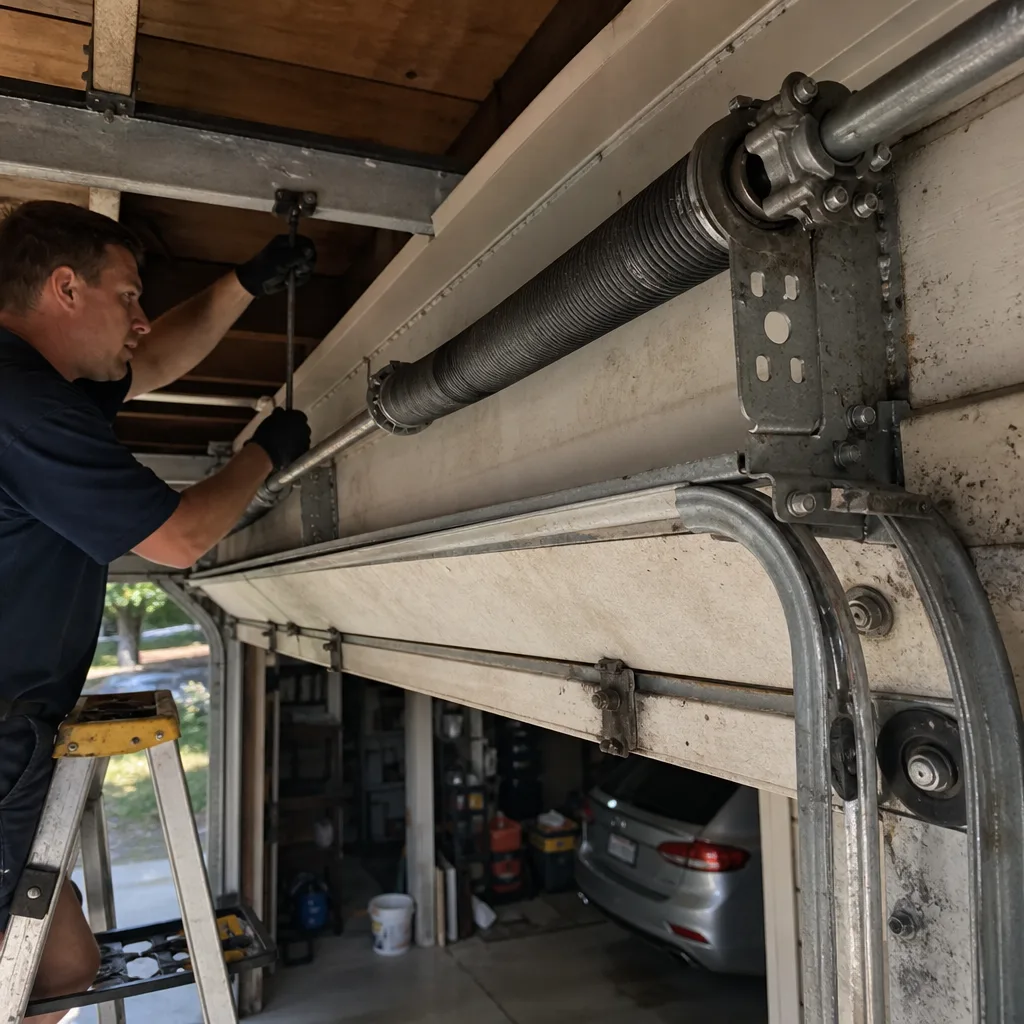 Before
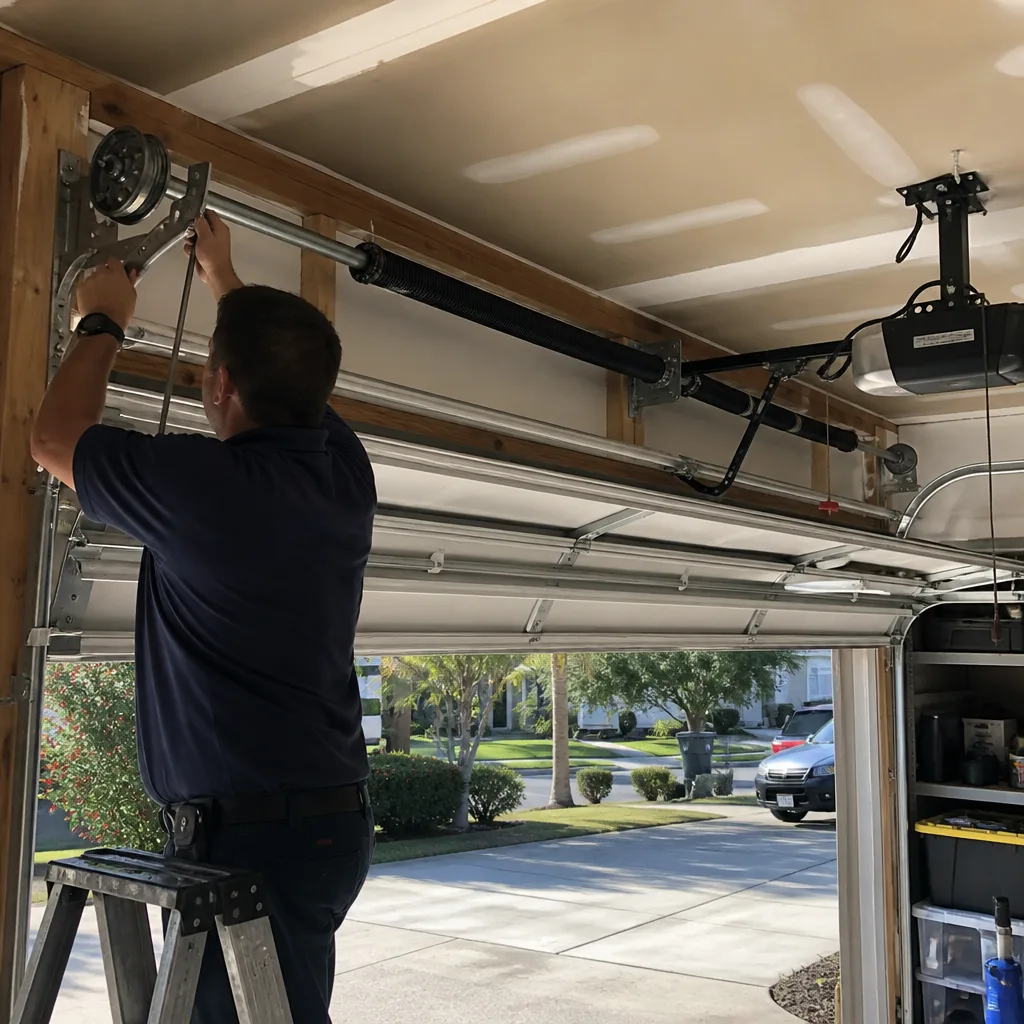 After
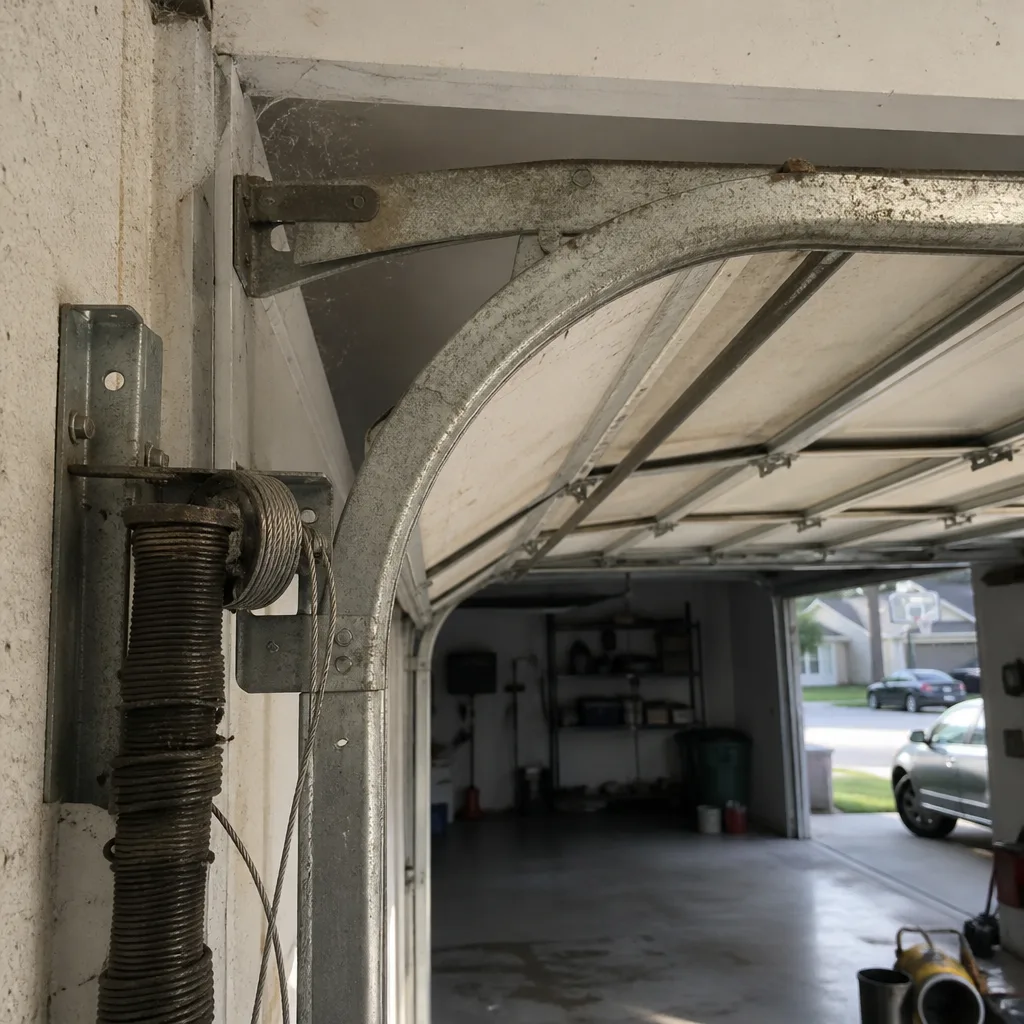 Before
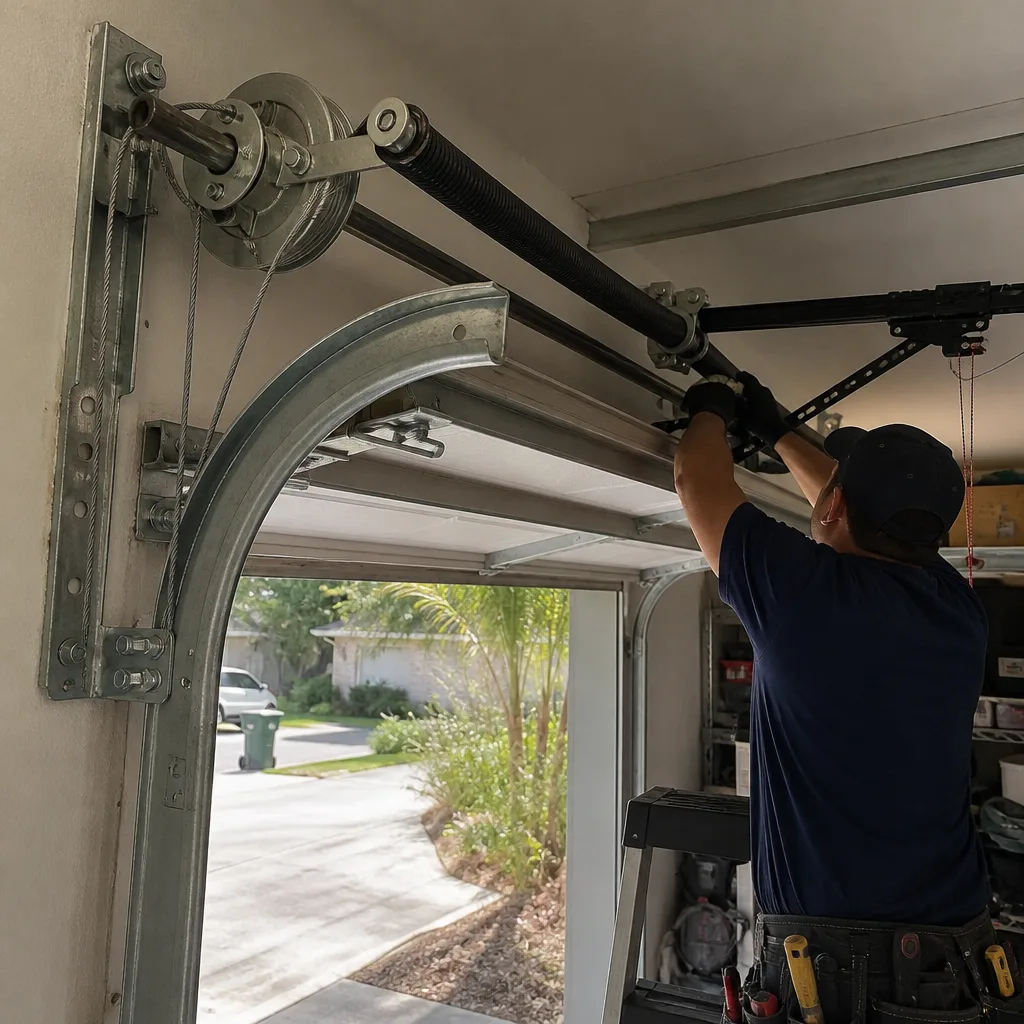 After
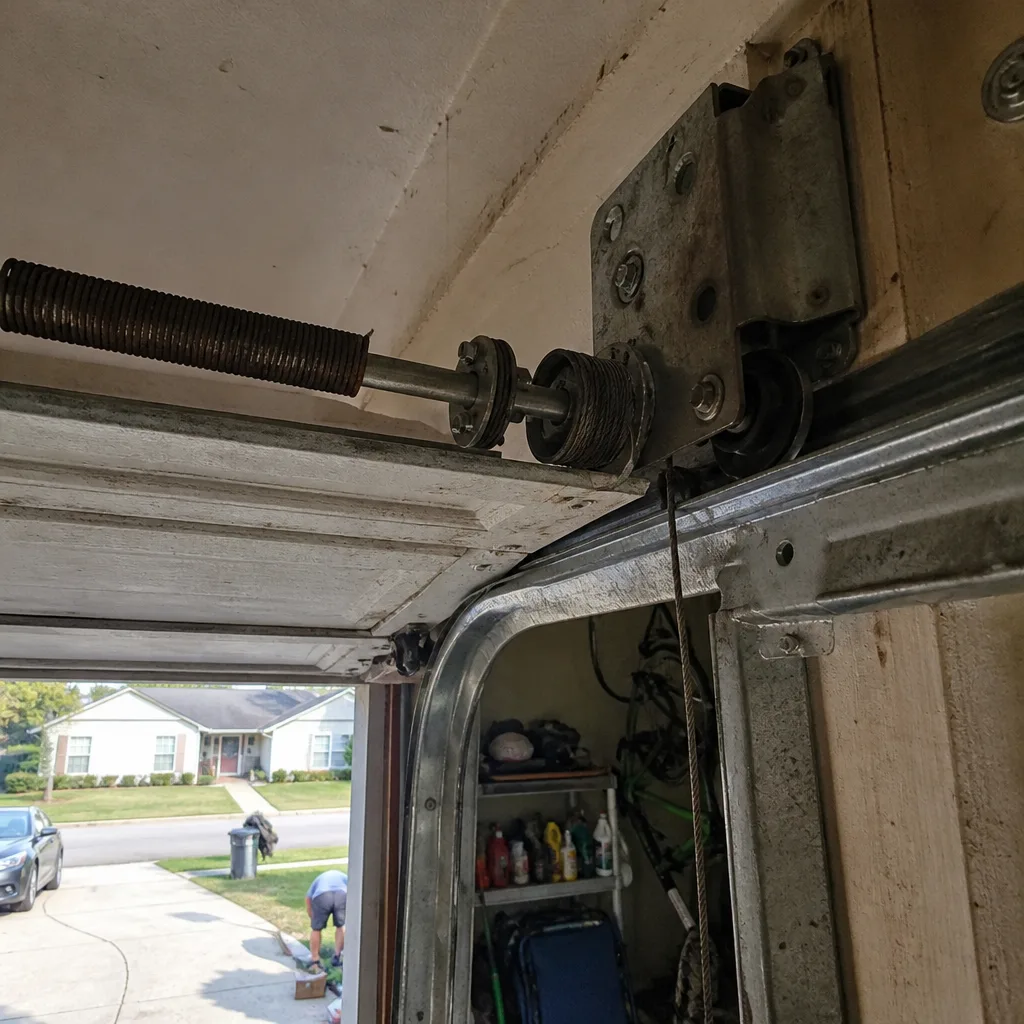 Before
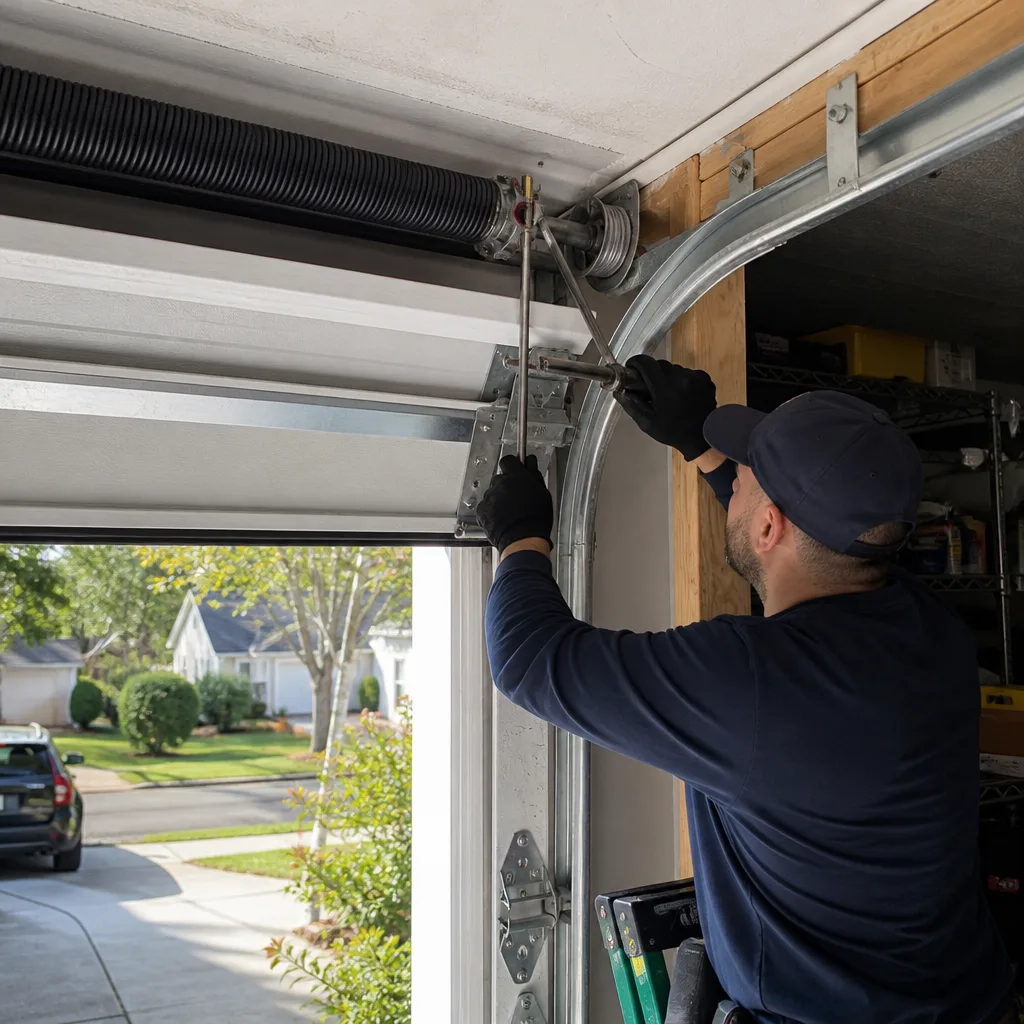 After