

Last updated October 31, 2026
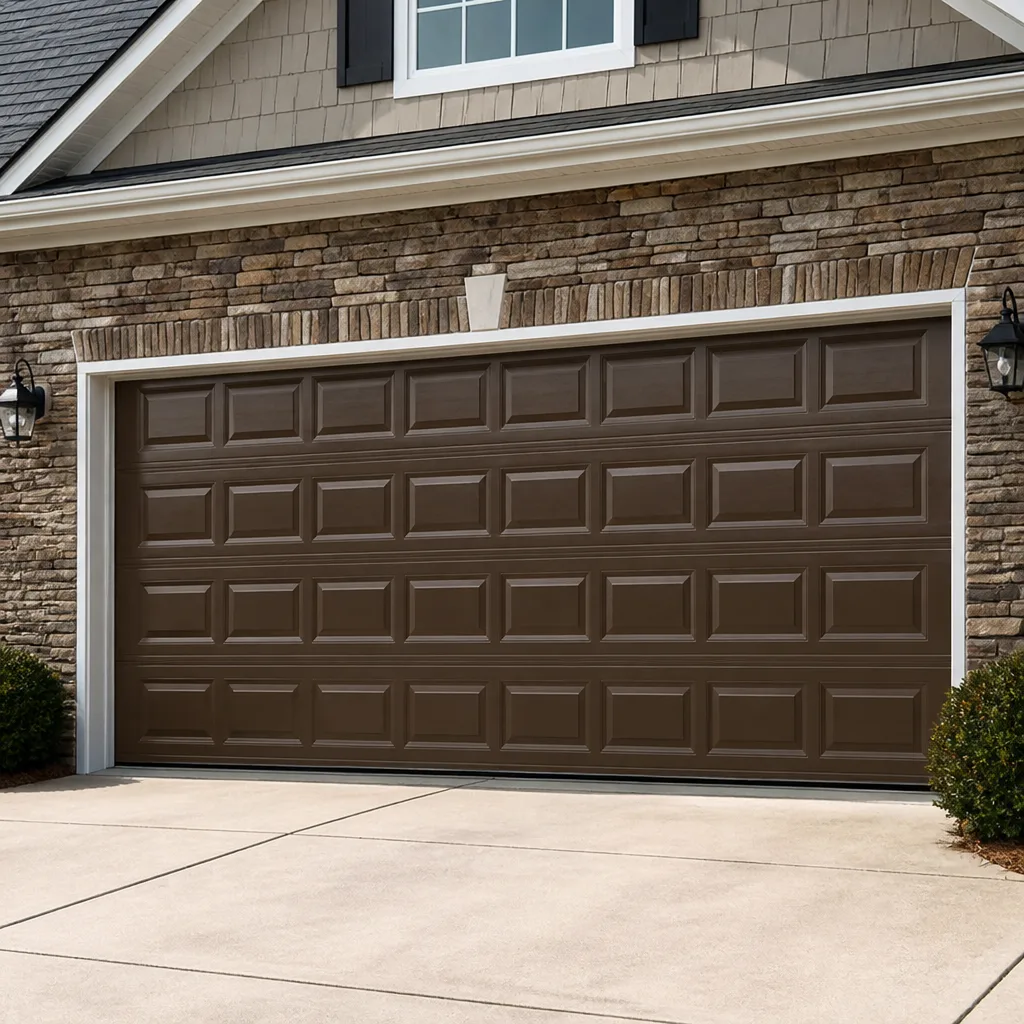 Raised-panel steel
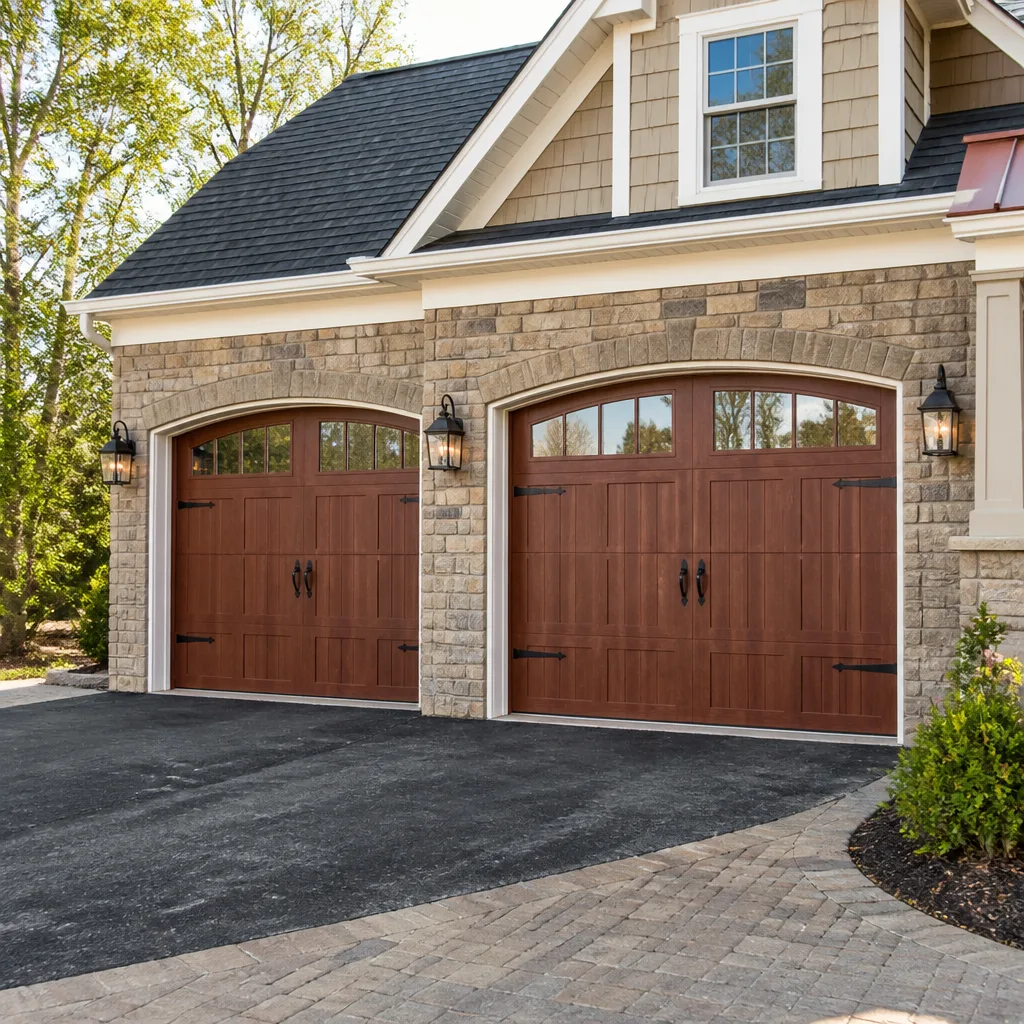 Carriage house
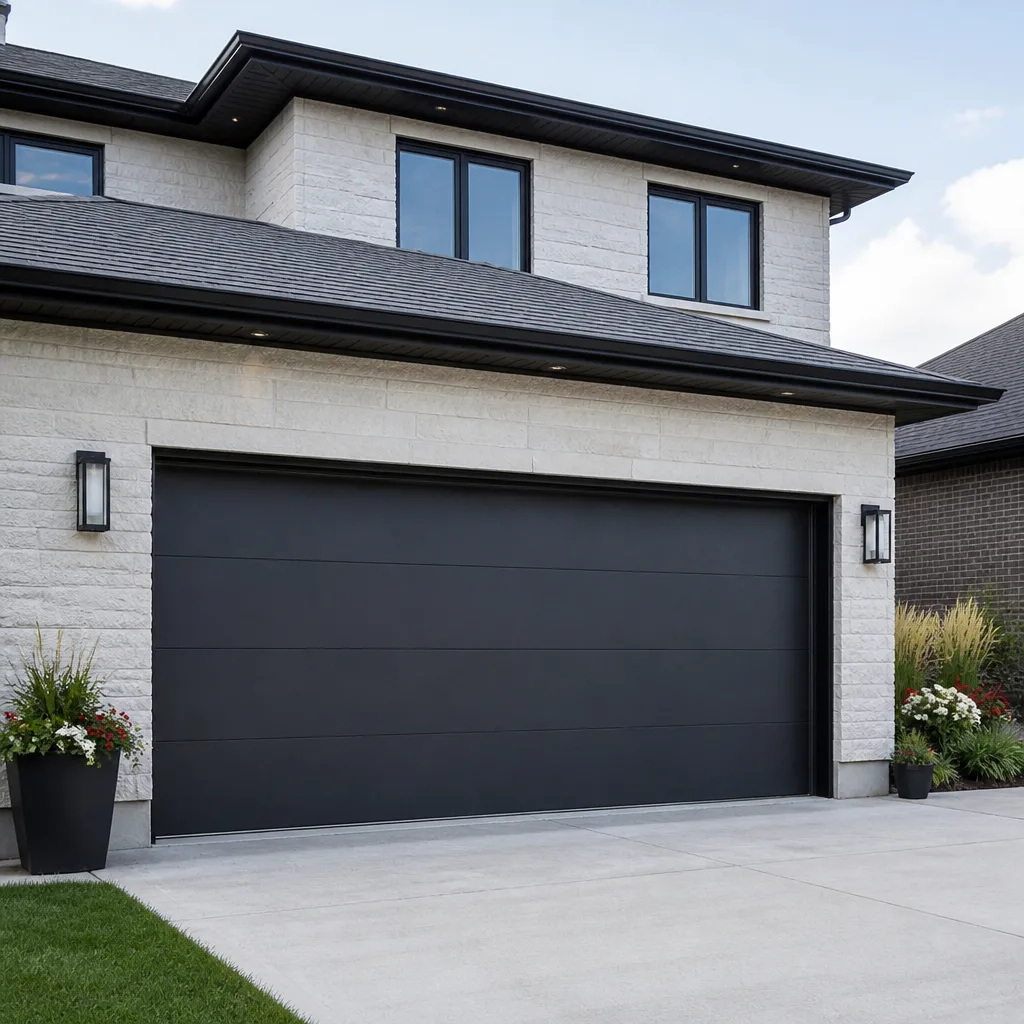 Modern flush
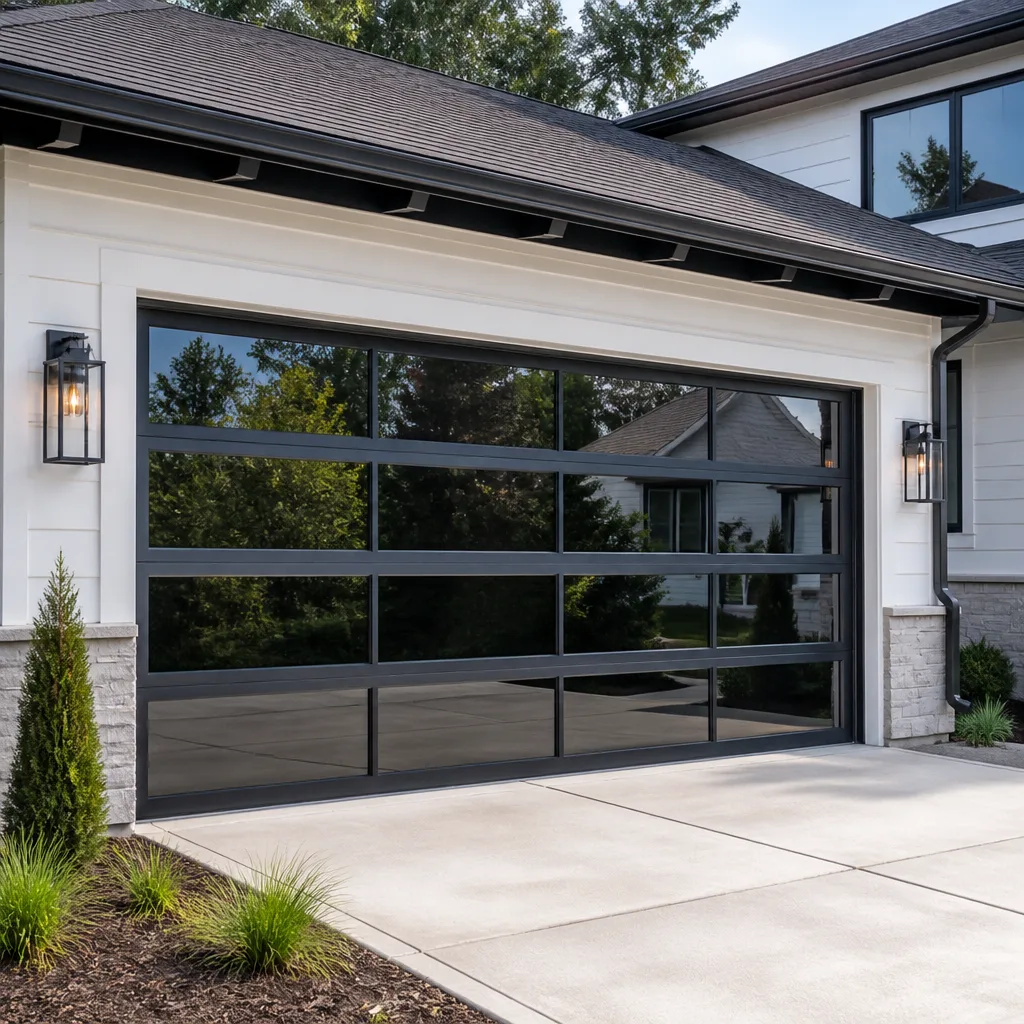 Full-view glass
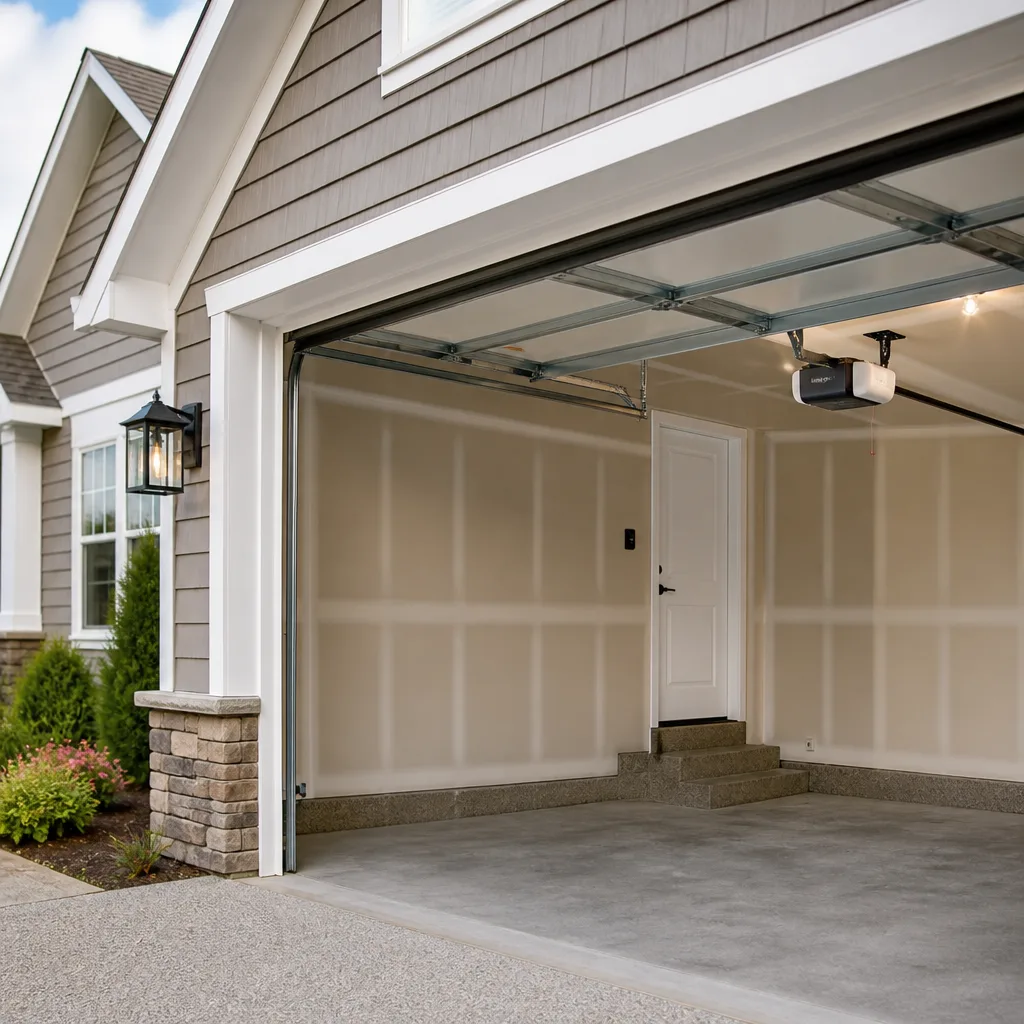 LiftMaster openers
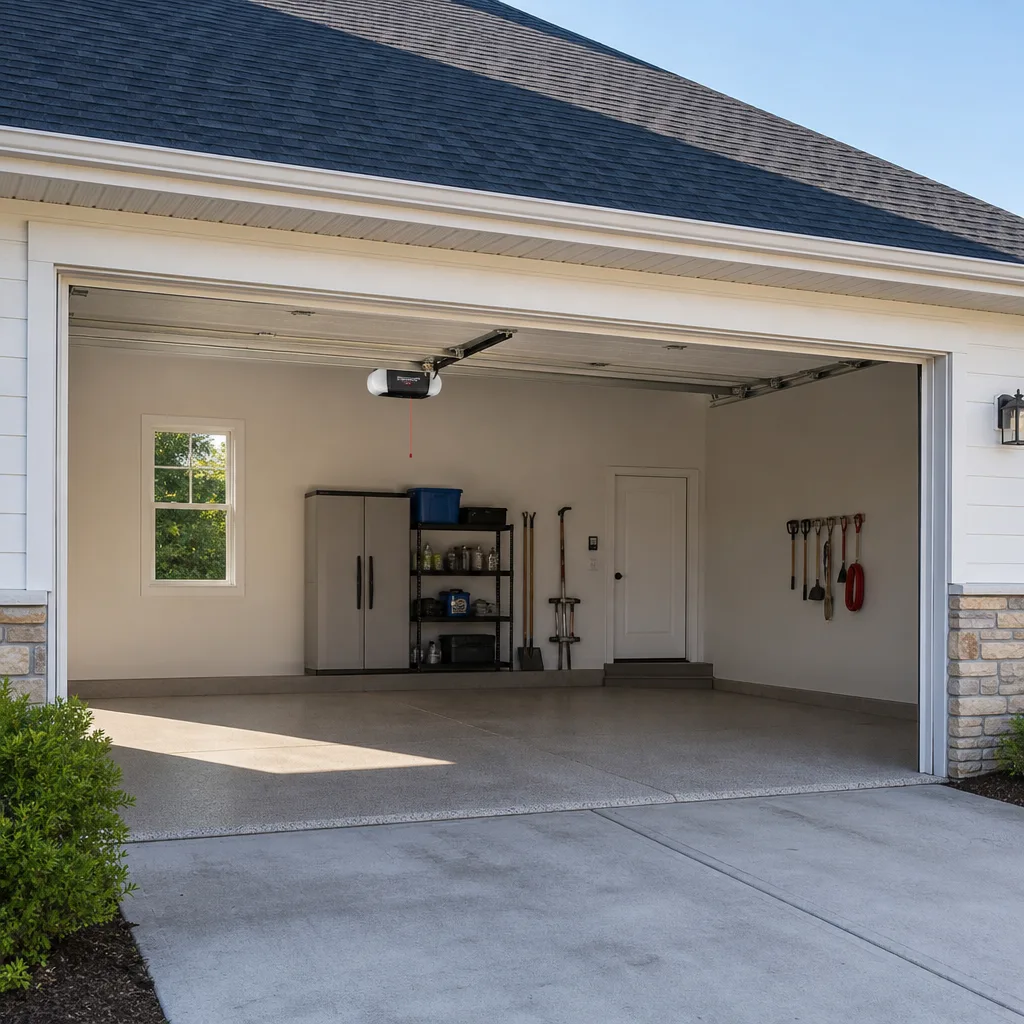 Chamberlain openers
Full 25-point door and opener safety check with every visit - springs, cables, rollers, tracks, and your LiftMaster or Chamberlain opener included
You get a price before we start. It does not change when the truck arrives.
Get your free estimateChoosing the Right Garage Door Brand: A Buyer’s Guide for Jacksonville
Here’s a fact most national garage door guides won’t tell you: the top-selling door brand in Ohio or Michigan is often a poor fit for a home on San Jose Boulevard or in Avondale. Jacksonville’s climate doesn’t just age a garage door. It tests it. Salt air off the Atlantic, eight months of punishing UV, and humidity that sits in the low 80s from May through September will expose a thin steel skin, a cheap paint system, or a moisture-hungry core faster than any national warranty is designed to cover. This guide walks through what actually matters when choosing a garage door brand in Jacksonville, Florida: how to read a spec sheet, which brands hold up in our climate, and what to ask before you spend anywhere from $900 to $4,500 on a door that should last 15 to 20 years. For a deeper dive, see The Complete Guide to Garage Door in Jacksonville.
Styles & brands we work with
Quick Answer
The best garage door brand for a Jacksonville home depends on your home’s distance from salt water, sun exposure, and your budget, but for most homes we’d point you toward Clopay and Amarr for steel doors, Wayne Dalton for mid-range value, and CHI for homes within two miles of the coast. In our experience repairing and installing doors across Duval County since 2018, the deciding factors shouldn’t be brand loyalty but steel gauge, paint system, and what the warranty actually covers in a coastal county.
Table of Contents
- Why Jacksonville Is Different for Garage Doors
- How to Read a Garage Door Spec Sheet Like a Jacksonville Technician
- Brand-by-Brand: How the Major Manufacturers Perform in Coastal Florida
- Why Fiberglass and Aluminum Deserve a Second Look in Jacksonville
- The Single-Brand Franchise Problem
- Warranty Fine Print That Matters in Florida
- Seven Questions to Ask Any Jacksonville Garage Door Installer
- Common Mistakes to Avoid
- When to Call a Professional
- Frequently Asked Questions
- The Bottom Line
Why Jacksonville Is Different for Garage Doors
Jacksonville sits on the St. Johns River with the Atlantic Ocean a short drive from nearly every neighborhood. That geography creates a specific set of conditions for anything made of metal and hung on your home’s front-facing wall.
First, salt air. Homes in Atlantic Beach, Neptune Beach, Mayport, and anywhere east of the Intracoastal deal with daily airborne sodium chloride. That salt settles on coated steel and works into any scratch, edge, or rivet hole. A door with a polyester paint skin will start showing rust bloom at the bottom panel corners within three to five years in these neighborhoods. A door with a polyurethane finish and a heavier gauge steel core might go twelve or fifteen before showing anything.
Second, UV intensity. Jacksonville gets over 2,800 hours of sun per year. South-facing garage doors take the brunt of it. Ultraviolet light breaks down pigment bonds in paint. Cheaper paint systems fade unevenly, turning a chocolate brown door into something closer to a mottled tan within four years. The best coatings use ceramic or infrared-reflective pigments designed specifically for southern exposure.
Third, humidity. A wood composite door that works beautifully in Denver will swell, warp, and grow mildew in Jacksonville’s summer. Even the best wood-look composite needs to be spec’d with a moisture-resistant core. Solid wood doors are romantic until your door binds in August because the panels absorbed so much water they no longer sit square in the frame.
The door that survives Jacksonville is almost never the one with the best marketing. It’s the one with the right substrate and coating for this specific environment.
How to Read a Garage Door Spec Sheet Like a Jacksonville Technician
Every garage door comes with a specification sheet. Most homeowners never see it. The installer quotes a price, the customer picks a color, and the spec sheet ends up in a drawer. For a Jacksonville home, three lines on that sheet matter more than the brand logo.
1. Steel Gauge
Steel gauge runs backwards: lower number means thicker steel. A 24-gauge skin is thin. A 25-gauge skin is thinner still. Entry-level doors at big-box stores are often 26 or 27 gauge. In our repair work across Jacksonville, we see dents from lawn mowers, bicycles, and even a well-thrown baseball on doors with anything thinner than 24 gauge. For homes in Ortega or San Marco with brick paver driveways close to the door, we recommend a minimum of 24-gauge steel. For homes with kids, dogs, or active driveways, step up to a 23-gauge door. The price difference is usually $150 to $300, and it’s the cheapest dent insurance you can buy.
2. Paint System
Garage door paint isn’t paint. It’s a coating system, and there are three common tiers:
- Polyester (entry-level): Thinnest coating. Fades after 3 to 5 years of direct Florida sun. Chalky to the touch as it degrades. Fine for north-facing doors on shaded lots, but the wrong call for a west-facing door in Riverside with zero tree cover.
- Silicone-modified polyester (mid-range): Better UV inhibitors. Fifteen-year fade resistance on average. A solid middle ground for most Jacksonville homes on interior streets.
- Polyurethane (premium): Thickest application. Applied in two coats. Resists salt air pitting and holds color for 20 years plus. This is what we recommend for homes within a mile of the Intracoastal or any door that faces south or west with direct afternoon sun.
3. Core Material and Moisture Resistance
The core sits between the outer steel skins. Polystyrene is the budget option: a gypsum-like sheet that insulates modestly and crushes under impact. Polyurethane is injected as a foam that fills every void, bonds to both steel skins, and adds both insulation and structural rigidity. In Jacksonville, the moisture factor matters too. Polyurethane closed-cell foam doesn’t absorb humidity the way open-cell or styrene-based cores can. A door that feels heavy in October but binds in July often has a core that’s picked up eight months of Florida humidity. Look for a door with a closed-cell polyurethane core and a steel end cap on each panel. The end caps seal the sandwich. Without them, water wicks into the panel edges.
Here’s a simplified table for Jacksonville garage door selection:
| Location | Minimum Steel Gauge | Minimum Paint System | Core |
|---|---|---|---|
| Within 1 mile of ocean / Intracoastal | 24-gauge | Polyurethane | Closed-cell polyurethane |
| 2-5 miles inland, sunny exposure | 24-gauge | Silicone-modified polyester or better | Polyurethane |
| Inland, shaded lot | 25-gauge | Polyester | Polystyrene or polyurethane |
Brand-by-Brand: How the Major Manufacturers Perform in Coastal Florida
We work on eight brands regularly: LiftMaster, Chamberlain, Genie, Clopay, Amarr, Wayne Dalton, Craftsman, and Raynor. Here’s the honest version of how the door brands among them hold up in Jacksonville specifically.
Clopay
Clopay is the largest residential door manufacturer in North America, and their lineup covers everything from $700 entry-level doors to $6,000 wood-veneer customs. For Jacksonville homes, the sweet spot is the Clopay Gallery series with their Ultra-Grain finish: a steel door with a composite overlay that mimics wood grain without the maintenance. The critical question is whether the dealer specs the polyurethane insulation and the two-coat finish. Entry-level Clopay doors from home centers use polyester coating and thinner steel. Premium Clopay dealers build the same door with better substrates. The brand itself is capable of 20-year coastal performance if the door is spec’d correctly.
Amarr
Amarr is known for their commercial steel and their Classica collection: a sandwich-construction steel door that hits the value-for-money sweet spot on a broad range of Jacksonville homes. Amarr’s higher-end lines ship with powder-coat finishes that outperform liquid-applied polyester in UV resistance. Their warranty department has historically been responsive in our experience. One thing we see with Amarr doors on older Jacksonville homes: the bottom weather seal channel rusts if the door sits close to a sprinkler head that hits it daily. That’s an installation and landscaping issue, not a brand defect, but it’s worth knowing.
Wayne Dalton
Wayne Dalton’s big Jacksonville play is price. The 9100 and 9600 series are among the most affordable doors on the market, which makes them common in newer construction and rental properties. The tradeoff: thinner steel, polyester paint, and a shorter expected lifespan in coastal air. For an inland home on a budget, Wayne Dalton works. For anything east of US-1 or with significant sun exposure, we’d recommend stepping up to a better spec or accepting that the door will need replacement a few years earlier. Their TorqueMaster spring system is also proprietary, which means repairs on Wayne Dalton doors can be more expensive. This matters in Jacksonville because most Wayne Dalton doors we see have that spring system, and parts aren’t as universally stocked as standard torsion springs.
CHI
CHI flies under the radar, but for coastal Jacksonville they’re quietly one of the best options. Their steel doors run heavier gauge than the industry average, their factory-applied finishes include a baked-on primer step that improves corrosion resistance, and their hardware is zinc-plated in-house. CHI doors on Atlantic Beach and Neptune Beach homes hold up noticeably better than their similarly-priced competitors. The catch: CHI has fewer local dealers, so fewer Jacksonville installers stock their doors or know their catalog. If you find a shop that carries CHI, they’re worth getting a quote from.
The takeaway: brand reputation is national. Performance is local. The right Clopay is better than the wrong CHI, and vice versa.
Why Fiberglass and Aluminum Deserve a Second Look in Jacksonville
Steel dominates the garage door market nationally. In Jacksonville, that dominance is less justified than anywhere else in the continental U.S. Two materials that get overlooked here deserve attention.
Fiberglass
Fiberglass doors are rare, and for good reason in most markets: they’re lighter, less impact-resistant, and more expensive than entry-level steel. But fiberglass doesn’t rust. Period. For homes directly on the Intracoastal or facing the ocean, that single fact outweighs the downsides. A fiberglass door on a Ponte Vedra beach house will look new in eight years while a polyester-coated steel door on the same street will be showing rust at the panel seams. Fiberglass also takes a paint finish well when factory-applied. The doors we see fail in Jacksonville are the ones with a wood frame inside the fiberglass skin that soaks up humidity. Look for a fiberglass door with aluminum stiles and rails.
Aluminum
Aluminum is the other material that makes sense in our climate. Modern aluminum garage doors use powder-coated extruded frames and are immune to the rust issues that plague steel. The problem with aluminum is denting: the metal is Lighter and softer than a 24-gauge steel skin. A stray bike pedal will put a crease in an aluminum door where steel would shrug it off. For homeowners who park in the driveway and use the garage for storage, aluminum works beautifully. For families with kids and active driveways, fiberglass or heavy-gauge steel is the safer bet.
The point is that brand selection in Jacksonville should start with material suitability for your specific microclimate, not with which brand a franchise installer happens to stock. A competent shop should be able to discuss steel, fiberglass, and aluminum options without pushing the one that’s easiest for them to order.
The Single-Brand Franchise Problem
Franchise garage door companies have a structural conflict of interest that most homeowners never see. The franchise agreement typically includes preferred supplier language. The installer who shows up to quote your Jacksonville replacement is financially and contractually motivated to sell you one brand: the brand the franchise has a supply deal with. Sometimes that’s fine. The brand might genuinely be the right fit. But the recommendation isn’t clean. You’re not getting a comparison; you’re getting a sales script.
We’ve repaired doors in Mandarin that a franchise installed three years earlier. The homeowner asked for a specific door they’d researched. The franchise sold them what the franchise carries. The door is fine. It’s just not what the customer wanted, and it wasn’t the best spec for their home. The problem isn’t the technician. It’s the system.
An independent multi-brand shop has no such constraint. At Main Street Garage Door Repair, our familiarity with LiftMaster, Chamberlain, Genie, Clopay, Amarr, Wayne Dalton, Craftsman, and Raynor means recommendations are driven by your existing setup and your budget, not by inventory pressure. When a customer asks us to compare two brands, we can. When they ask us whether to repair or replace, we’ll tell them which one actually makes sense. Eight brands, one call. That’s the model, and it only works if the person answering the phone knows all eight.
Here’s a numbered test you can run on any Jacksonville garage door company before you commit:
- Ask the installer to name three brands they install. If they can’t, that’s a single-brand operation regardless of what the website says.
- Ask them to explain the difference between the two brands they’d recommend for your home. A multi-brand specialist can articulate this in 30 seconds. A single-brand tech will default to “this is what we carry.”
- Ask what they’d install on their own house in your neighborhood. The answer should be specific: a particular model, a particular steel gauge, and a reason tied to your local conditions. If the answer is just a brand name, they haven’t thought about your house.
- Ask about the warranty exclusions for coastal exposure. If the installer doesn’t know what’s excluded, they don’t know the product well enough to install it. See the next section for details.
Warranty Fine Print That Matters in Florida
Every garage door warranty is not the same. Some exclude exactly the conditions Jacksonville throws at a door.
The section you’re looking for is usually titled “Exclusions” or “Conditions Not Covered.” Read it like an attorney. Here’s what to look for specifically:
- Coastal exclusion clauses: Several manufacturers reduce or void corrosion coverage for properties within a specified distance of salt water. That distance varies. Some brands say one mile. Some say five. A home in San Marco may fall outside one brand’s coastal exclusion zone and inside another’s. If the installer can’t tell you the brand’s coastal exclusion distance, they haven’t read the warranty.
- Finish fade exclusions: Some warranties separate structural coverage from finish coverage. The steel panels may be covered for 20 years while the paint is covered for only three. In Jacksonville, where UV fade is a real issue, that distinction matters more than the headline number.
- Humidity and condensation clauses: A few manufacturers exclude damage from “excessive humidity” or “environmental moisture.” That phrase is potentially broad enough to exclude most of Duval County in August. Know it’s there before you buy.
- Hardware exclusion limits: Springs, rollers, hinges, and cables are wear parts. They’re covered for shorter periods on almost every brand. In a humid, salt-air environment, hardware rusts and fails faster. Ask whether the brand’s hardware package includes rust-resistant coatings.
- Transferability: If you sell your Jacksonville home, some warranties transfer to the new owner and some don’t. A transferable warranty adds resale value. It’s worth checking.
The best way to find out before you buy: ask the installer to show you the warranty document before you sign the contract. Not a summary. The document. A shop that won’t show you the warranty before taking your deposit isn’t one you want doing the installation.
Seven Questions to Ask Any Jacksonville Garage Door Installer
This is the checklist we’d hand a friend before they signed a garage door contract in Jacksonville:
- “What steel gauge is this door, and is that appropriate for my home’s location?” A competent installer should answer without looking at the brochure. The answer should reference your specific neighborhood, not a generic recommendation.
- “What type of paint or finish system is on this door, and how does it handle Florida sun?” If the answer is a color name, you’re talking to the wrong person.
- “Does this brand have coastal warranty exclusions that apply to my address?” Jacksonville spans a huge range of distances from salt water. The answer for a home in Murray Hill might be different than for a home in Atlantic Beach.
- “What kind of insulation core does this door have?” You want polyurethane unless the home’s budget genuinely doesn’t allow it.
- “Can you show me the warranty document before I sign anything?” No document, no contract.
- “Will you be using your own installers or subcontractors?” A single point of contact from diagnosis through completed job is what you’re paying for. Subcontracting introduces a coordination gap.
- “What would you install on your own house in my neighborhood?” This is the question that separates honest multi-brand operators from single-brand sales quotas.
If you’re repairing an existing door rather than replacing, the questions shift slightly: focus on Garage Door Repair in Jacksonville expertise and whether the technician knows your existing brand’s specific behaviors. Different brands age differently, and a technician who works on your brand regularly will diagnose the actual problem faster and waste less of your money. That’s the principle behind our factory-trained familiarity with eight major brands: we work on your brand.
Common Mistakes to Avoid
- Buying by brand name alone. Every manufacturer makes multiple quality tiers. A $700 Clopay door and a $3,200 Clopay door are different products entirely. Judge the spec sheet, not the logo.
- Ignoring steel gauge. Jacksonville driveways are active. Thin 26-gauge steel dents easily, and a dented door is the first thing you see every time you come home. Twenty-four gauge minimum for most homes.
- Choosing a dark color without UV-resistant finish. A black or dark bronze door on a west-facing lot in San Jose will hit surface temperatures over 150 degrees in July. Without a polyurethane finish, the color will fail. Dark doors also absorb more heat into the garage.
- Assuming the warranty covers coastal corrosion. It often doesn’t. Check the exclusions before you buy, not after the first rust spot shows up.
- Letting a single-brand franchise make the comparison for you. You wouldn’t ask a Ford dealer whether Toyota makes a better truck. Don’t ask a single-brand garage door company whether their brand is the best choice.
- Overlooking fiberglass and aluminum. Steel is the default, not the universal answer. Family homes near the beaches in Jacksonville sometimes do better with fiberglass.
- Focusing on price before spec. The cheapest door may cost twice as much over 15 years once repairs and early replacement are factored in. A quality door is a 15 to 20 year investment. Amortize it.
When to Call a Professional
Some garage door work is genuinely dangerous. Torsion springs are wound under enough tension to break bone or worse if they release unexpectedly. Cables, when they snap, can whip. Any repair involving springs, cables, or the bottom bracket system is a job for someone with training, the right tools, and experience with your specific brand’s hardware geometry. Safety note: if your door has a visible spring or cable issue, do not attempt to fix it yourself. Keep the door closed, pull the release cord only if you need to use the car, and call a professional. Main Street Garage Door Repair home services all eight of the industry’s most widely installed brands, and we’re honest with Jacksonville homeowners about when a repair makes more sense than a replacement. For installation questions, brand comparisons, or a repair that can’t wait, call (833) 467-4139 for a free estimate.
Frequently Asked Questions
For most Jacksonville homes, Clopay and Amarr offer the best combination of climate-appropriate specifications and local dealer support, while CHI is the quiet standout for homes within two miles of salt water. The honest answer is that the specific model matters more than the brand: a well-specced mid-range door from any major manufacturer will outperform a cheaply-built door from a premium brand.
Salt air accelerates oxidation on any exposed metal, especially at panel edges, rivet holes, and hardware attachment points. Homes east of US-1 and particularly in Atlantic Beach, Neptune Beach, and Mayport see rust formation two to three times faster than inland Jacksonville neighborhoods. To counter it, choose a door with a polyurethane finish, heavy-gauge steel, and rust-resistant hardware. Call (833) 467-4139 for a free estimate on a coastal-spec door.
Many garage door warranties contain coastal exclusion clauses that reduce or eliminate corrosion coverage for homes within a specified distance of salt water, and that distance varies by manufacturer. Some brands exclude homes within one mile of the coast; others extend the exclusion to five miles. Before you buy, ask the installer to show you the actual warranty document and point to the coastal exclusion language.
Yes, for specific situations. Fiberglass doesn’t rust, which makes it an excellent choice for beachfront and Intracoastal-adjacent homes in Jacksonville where steel doors degrade prematurely. Fiberglass is less impact-resistant than steel and costs more than entry-level steel doors, so it’s not a universal recommendation, but for homes within a mile of salt water it’s often the smartest long-term choice. Garage Door Installation in Jacksonville should include a material discussion, not just a catalog walkthrough.
A new garage door in Jacksonville typically runs $900 to $4,500 depending on size, material, steel gauge, insulation, and finish quality. Entry-level steel doors start around $900 installed, mid-range insulated steel with a decent finish runs $1,500 to $2,500, and premium or custom doors go from there. The price we quote is the price you’ll pay: it’s agreed before any work starts and it doesn’t change once we see the job. Call (833) 467-4139 for an exact quote.
We repair and service LiftMaster, Chamberlain, Genie, Clopay, Amarr, Wayne Dalton, Craftsman, and Raynor products, which covers the majority of doors installed in Jacksonville. If your door’s brand isn’t on that list, give us a call and describe the issue. We’ll tell you honestly whether we can help. If the opener is the issue, our Garage Door Opener Repair in Jacksonville specialists deal with both legacy systems and modern smart openers.
That decision depends on three factors: the age of the door, the condition of the panel substrate, and whether the current door’s specification actually fits your home’s Jacksonville microclimate. Not sure whether to fix it yourself or call a pro? Read our DIY vs Professional Garage Door: The Jacksonville Homeowner’s Decision Guide. A door under 10 years old with a single failed spring is almost always a repair. A 15-year-old door with rust at the panel seams on a home near the Intracoastal is probably a replacement. We’ll give you a straight answer either way. The price is quoted and agreed before any work starts, and we don’t upsell replacements for commission.
The Bottom Line
Choosing a garage door brand for a Jacksonville home is a local decision disguised as a national question. The brand name matters less than the steel gauge, the paint system, the core material, and the warranty’s coastal fine print. A door spec’d for Jacksonville should be different than a door spec’d for Nashville or Denver. Find an independent multi-brand shop that can honestly compare at least three manufacturers, ask for the warranty document before signing, and make decisions based on your home’s actual distance from salt water and sun exposure. Your garage door is probably the heaviest moving part on your house. It gets more daily use than your front door. Same door, working right, for 20 years: that’s the goal, and in Jacksonville it takes the right material and the right local expertise to get there.
Written by the team at Main Street Garage Door Repair, serving Jacksonville since 2018. Looking for more guides & resources?
See the difference
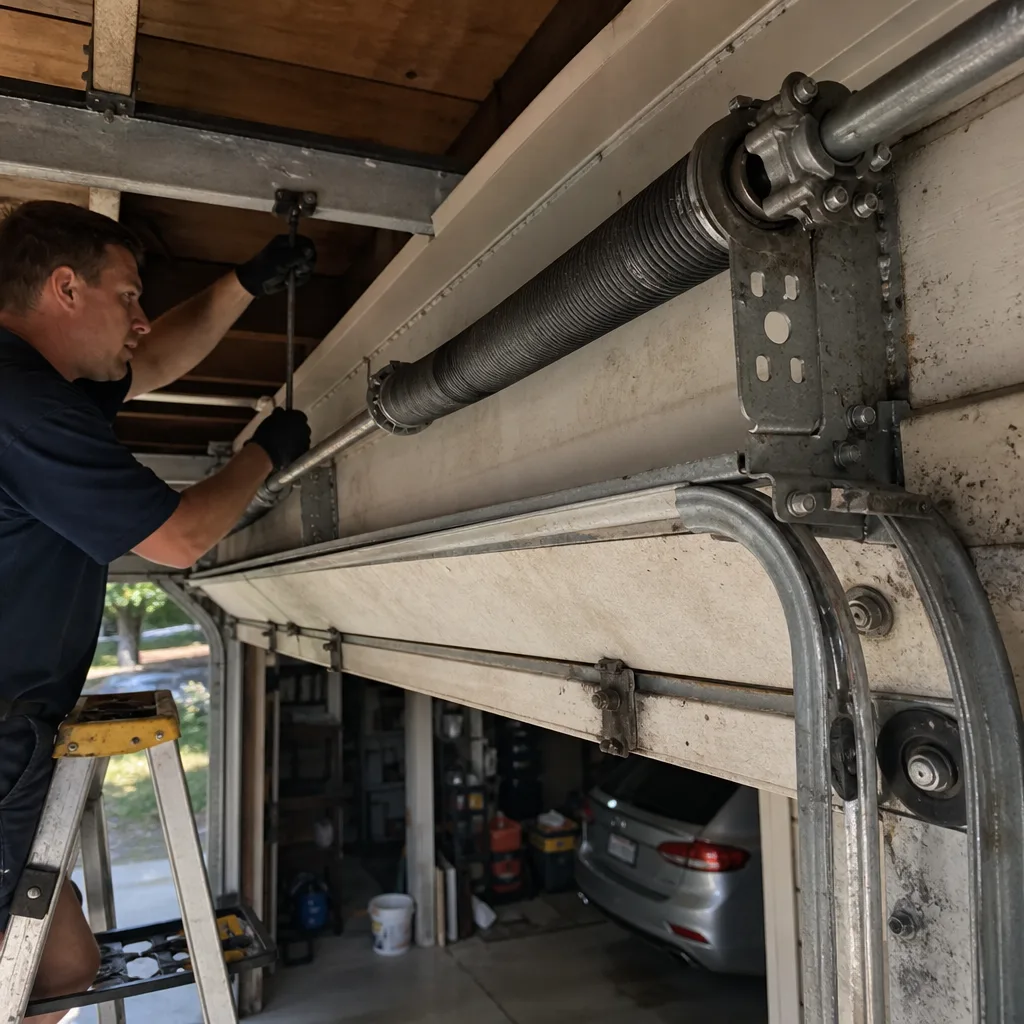 Before
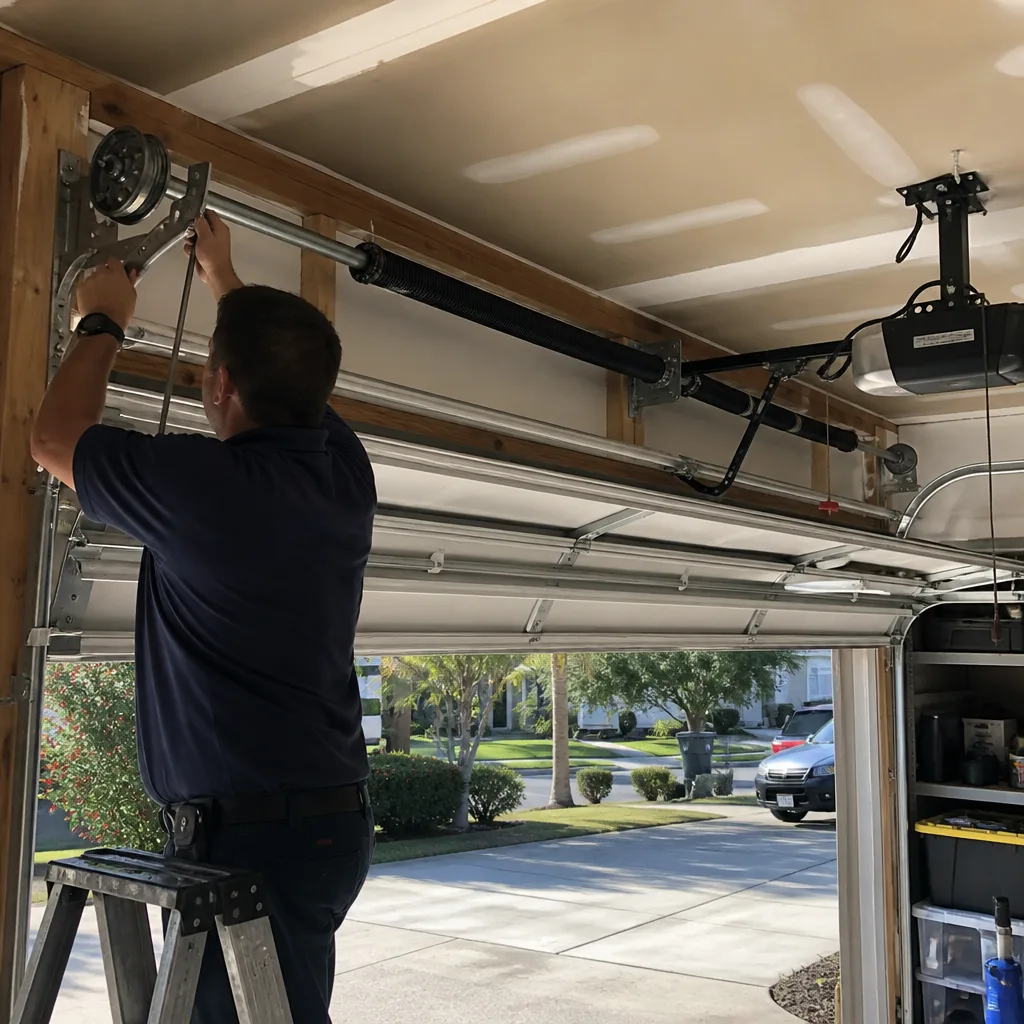 After
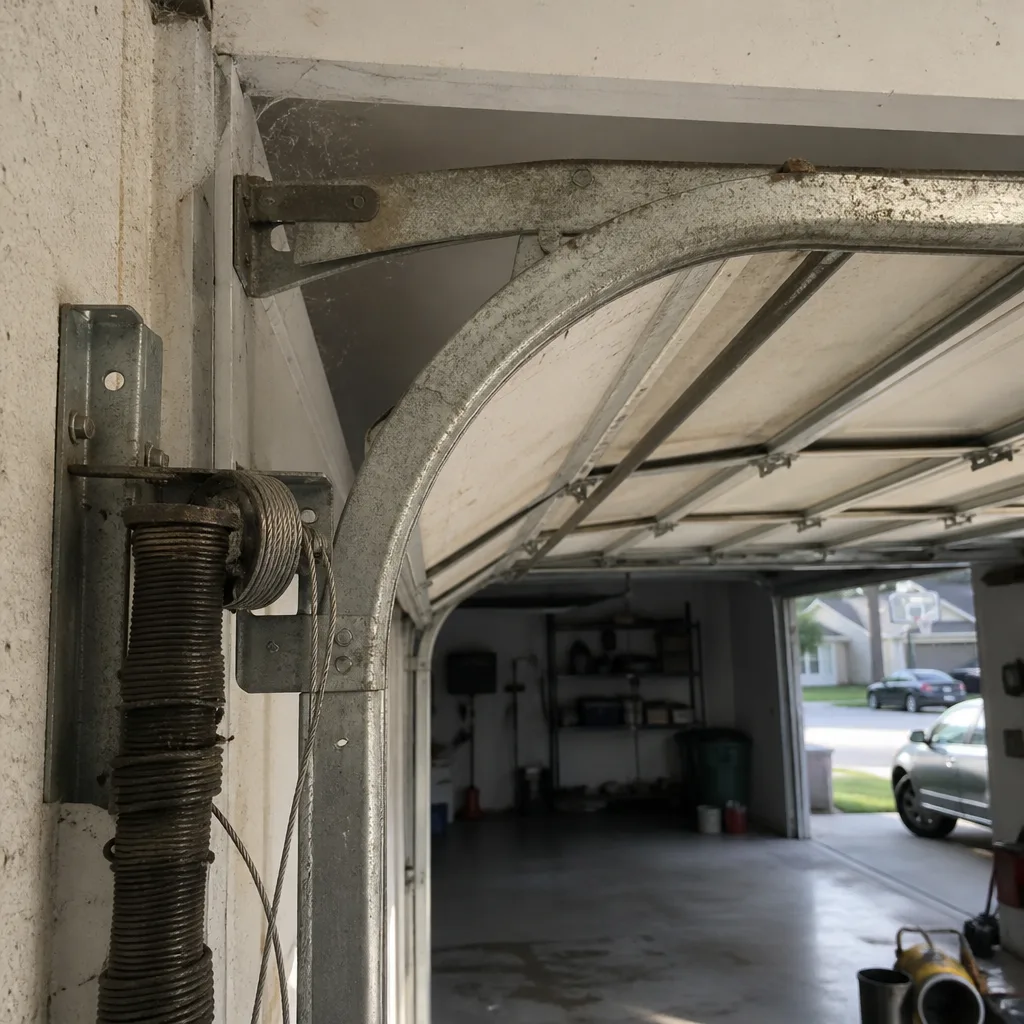 Before
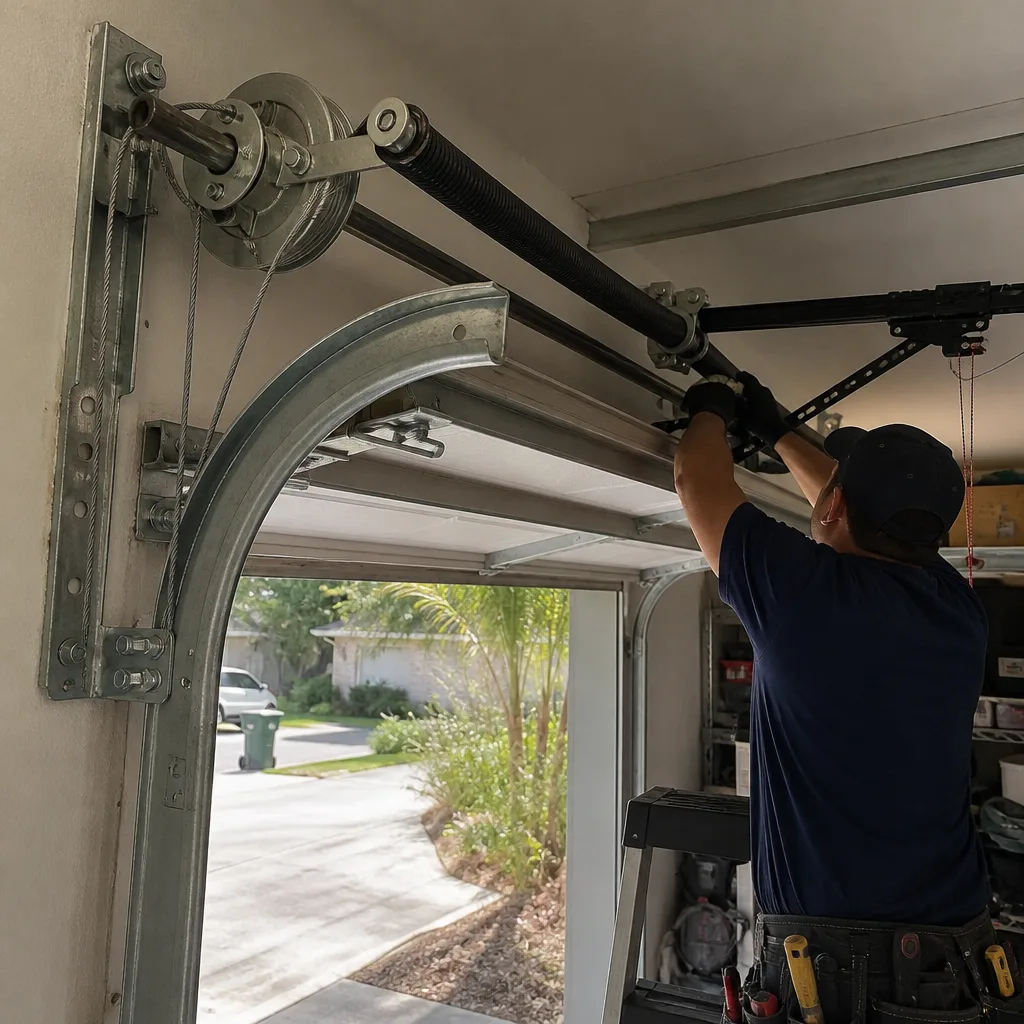 After
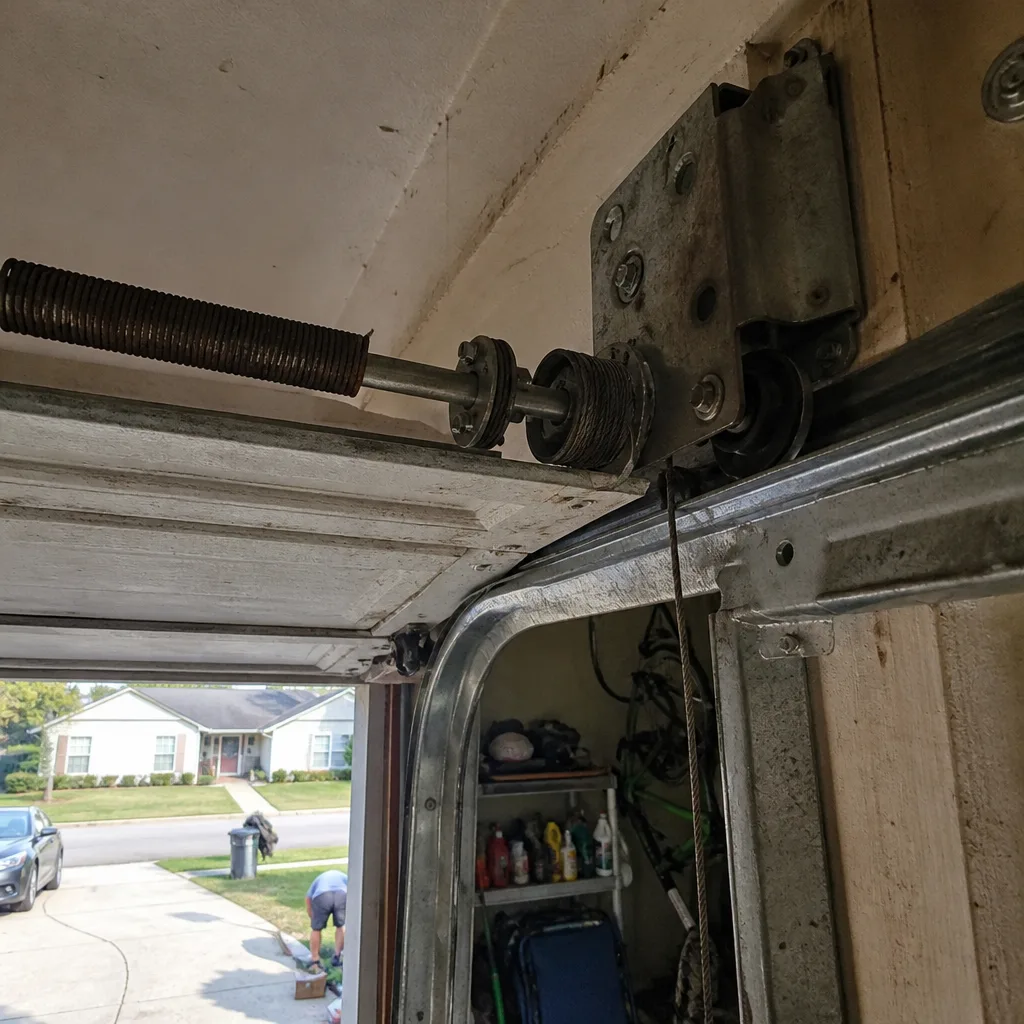 Before
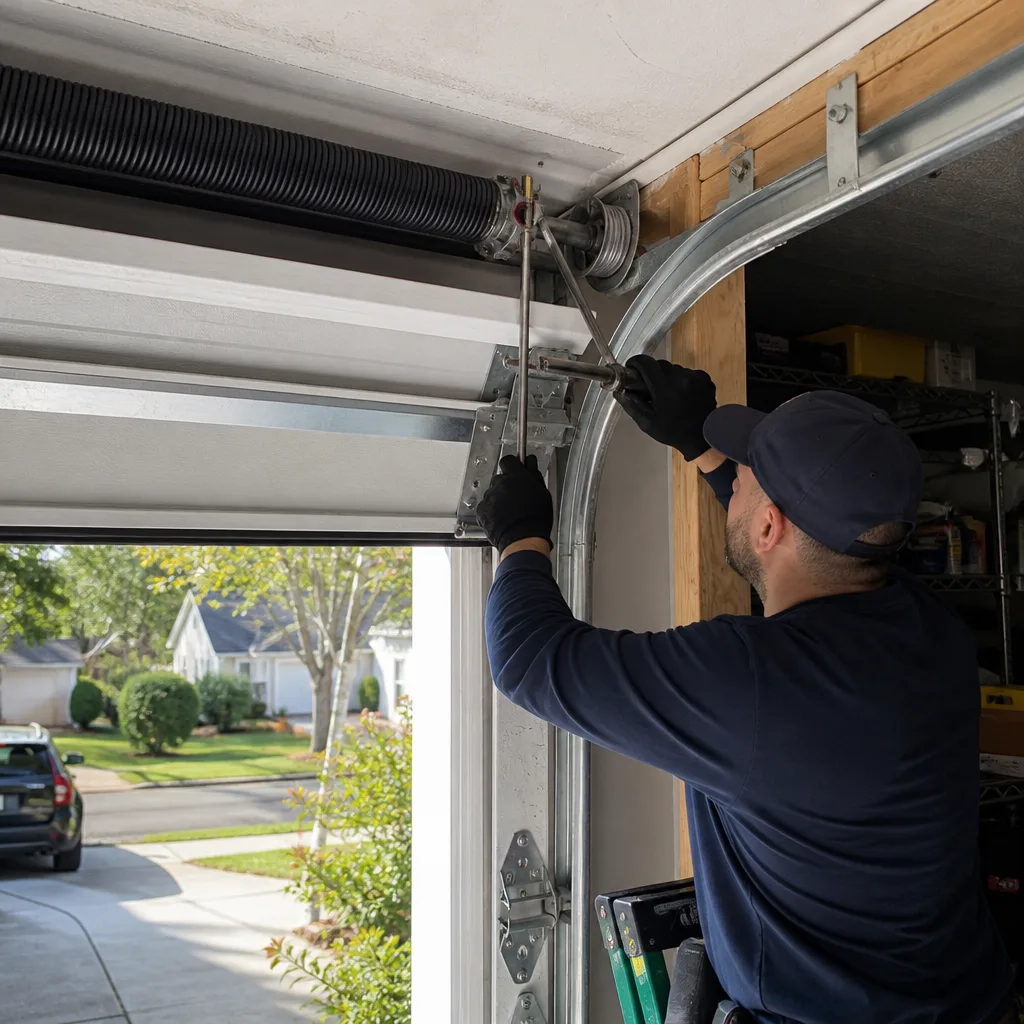 After