

Last updated October 31, 2026
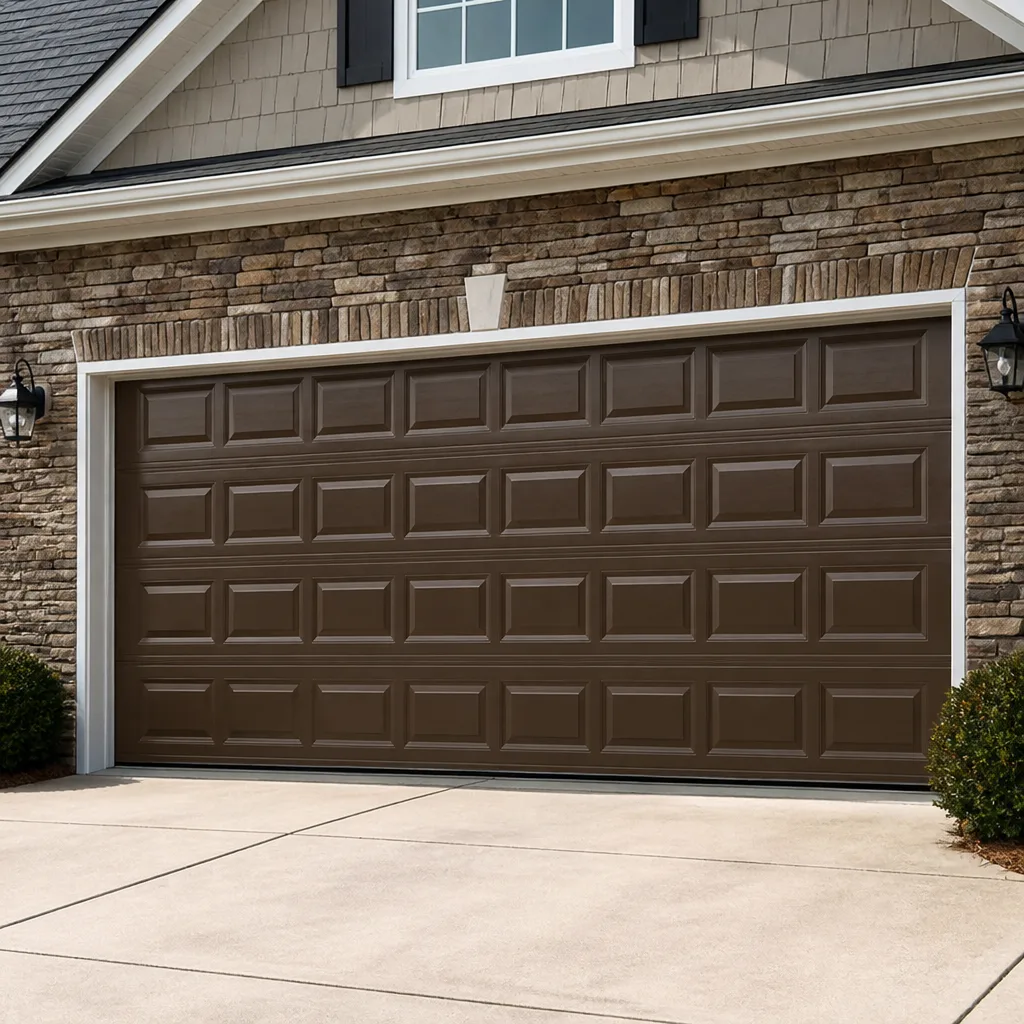 Raised-panel steel
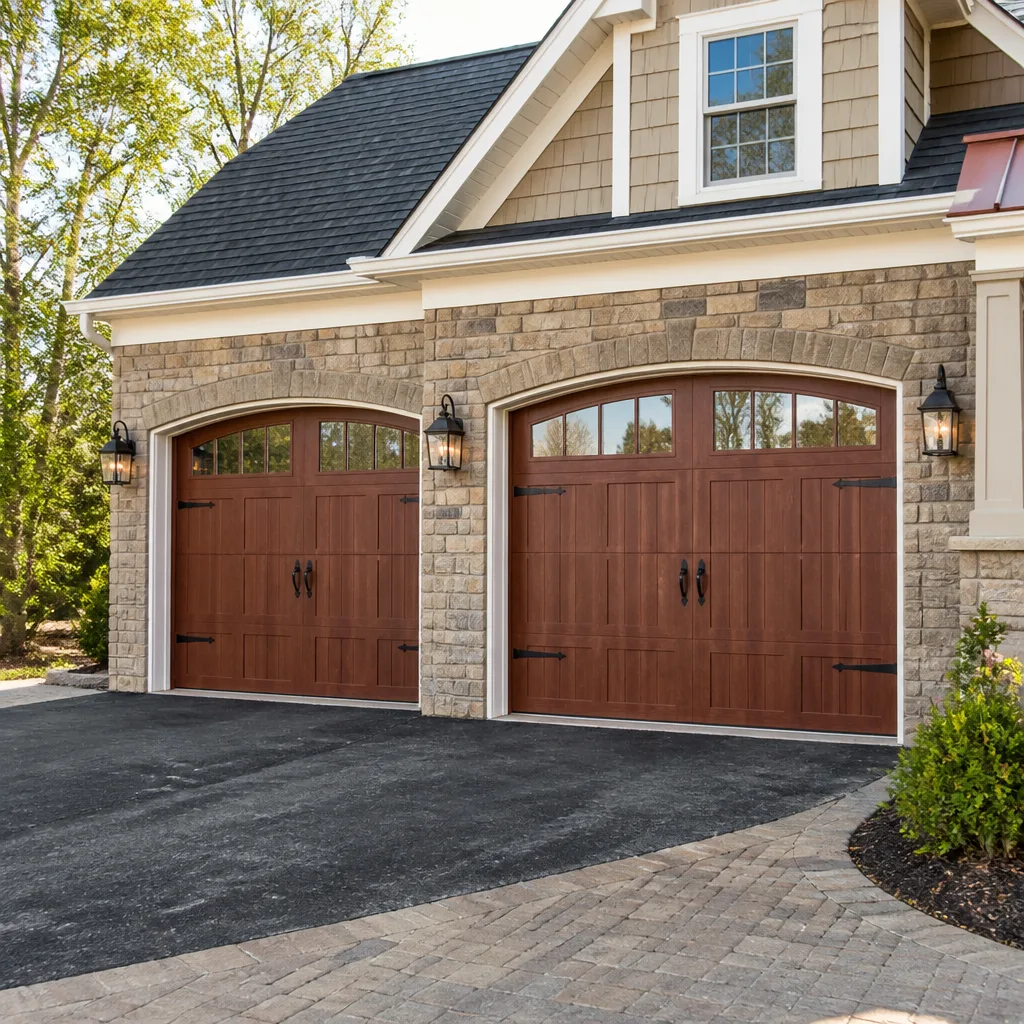 Carriage house
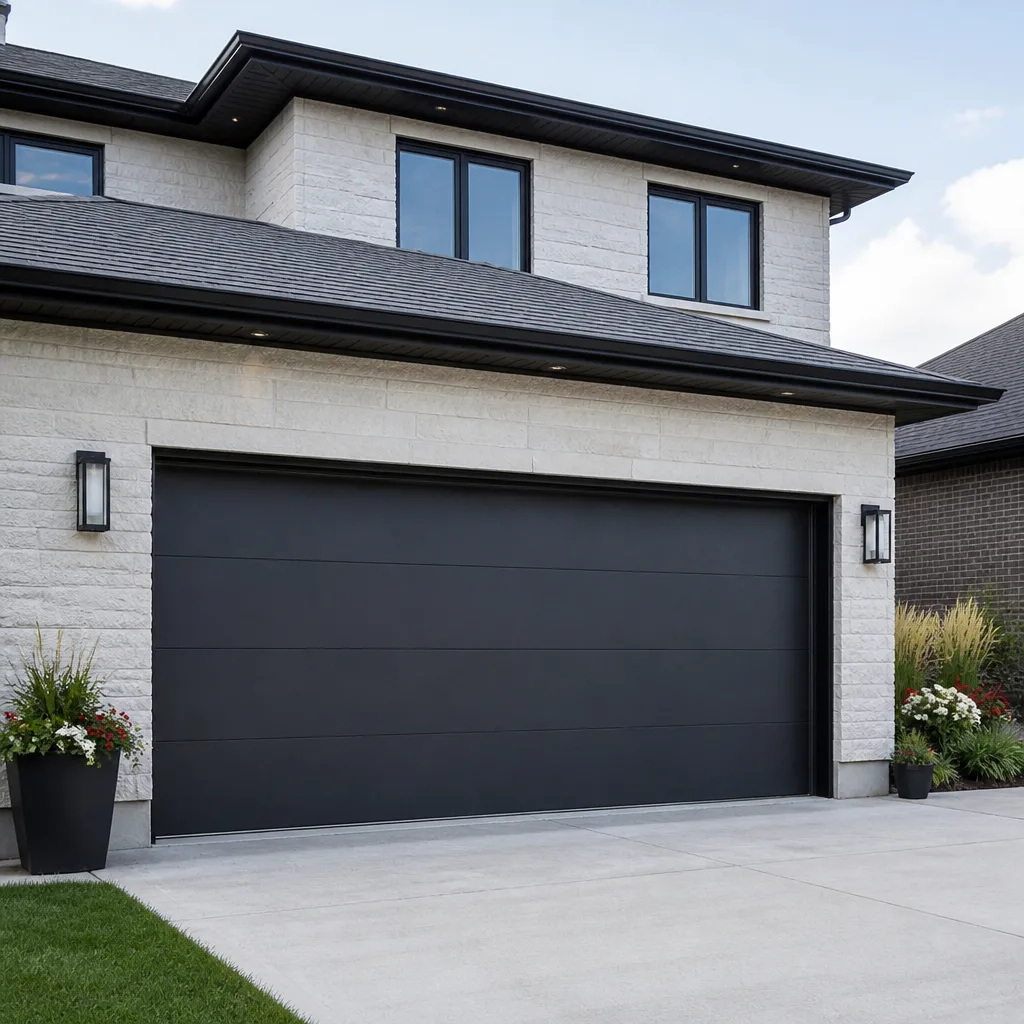 Modern flush
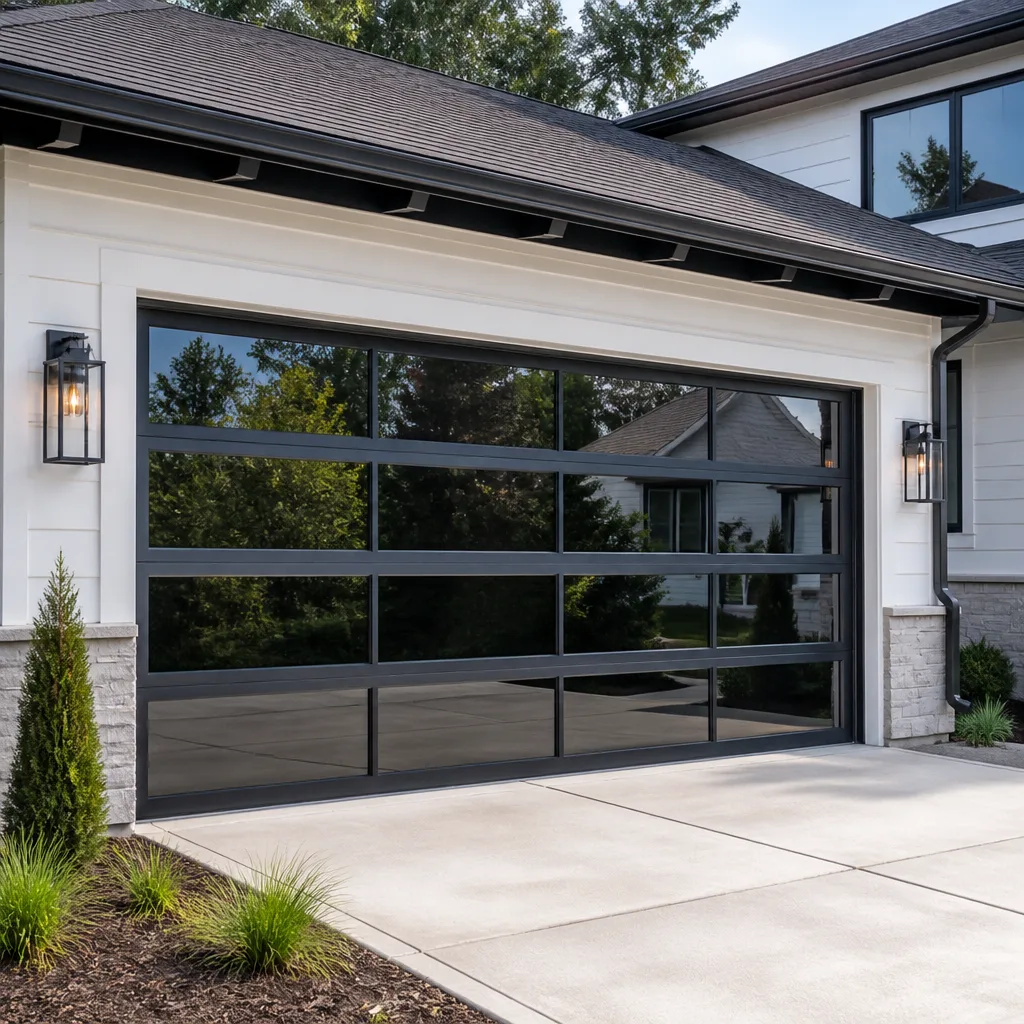 Full-view glass
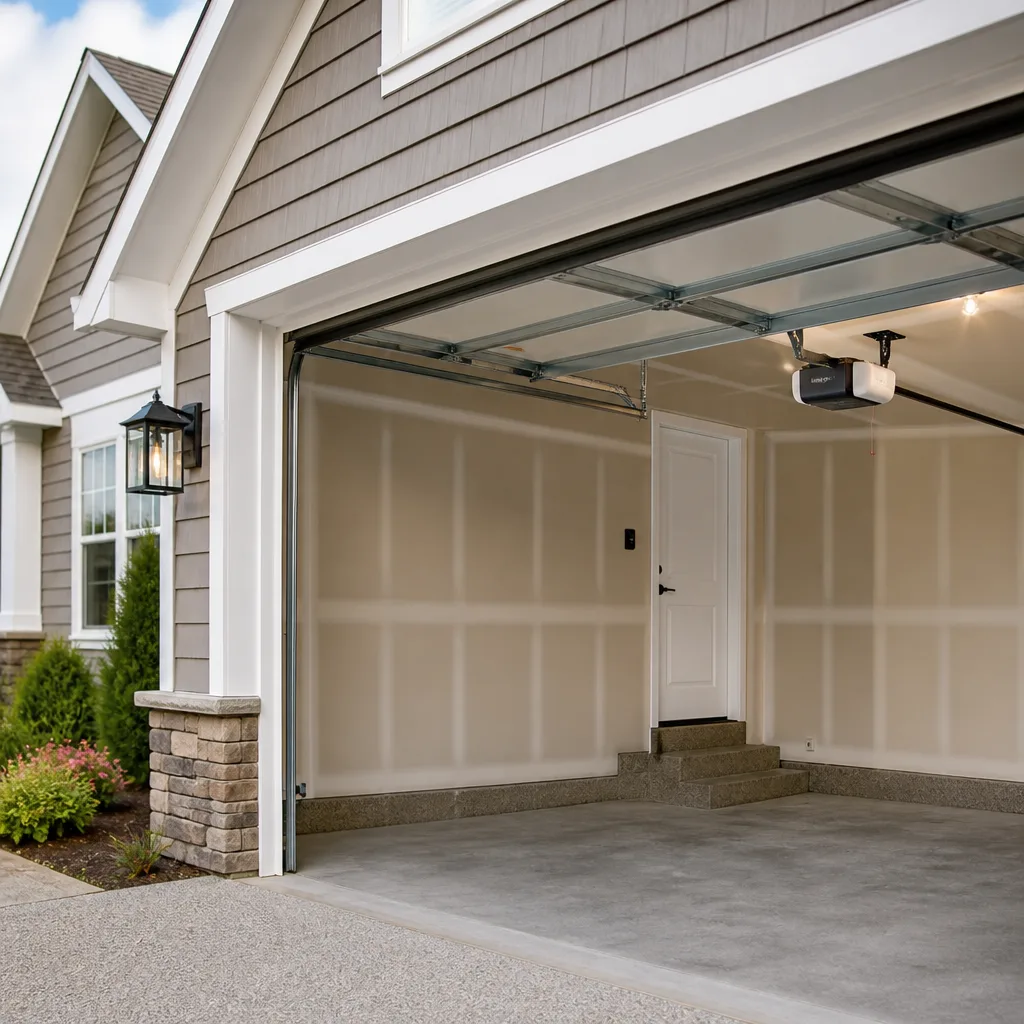 LiftMaster openers
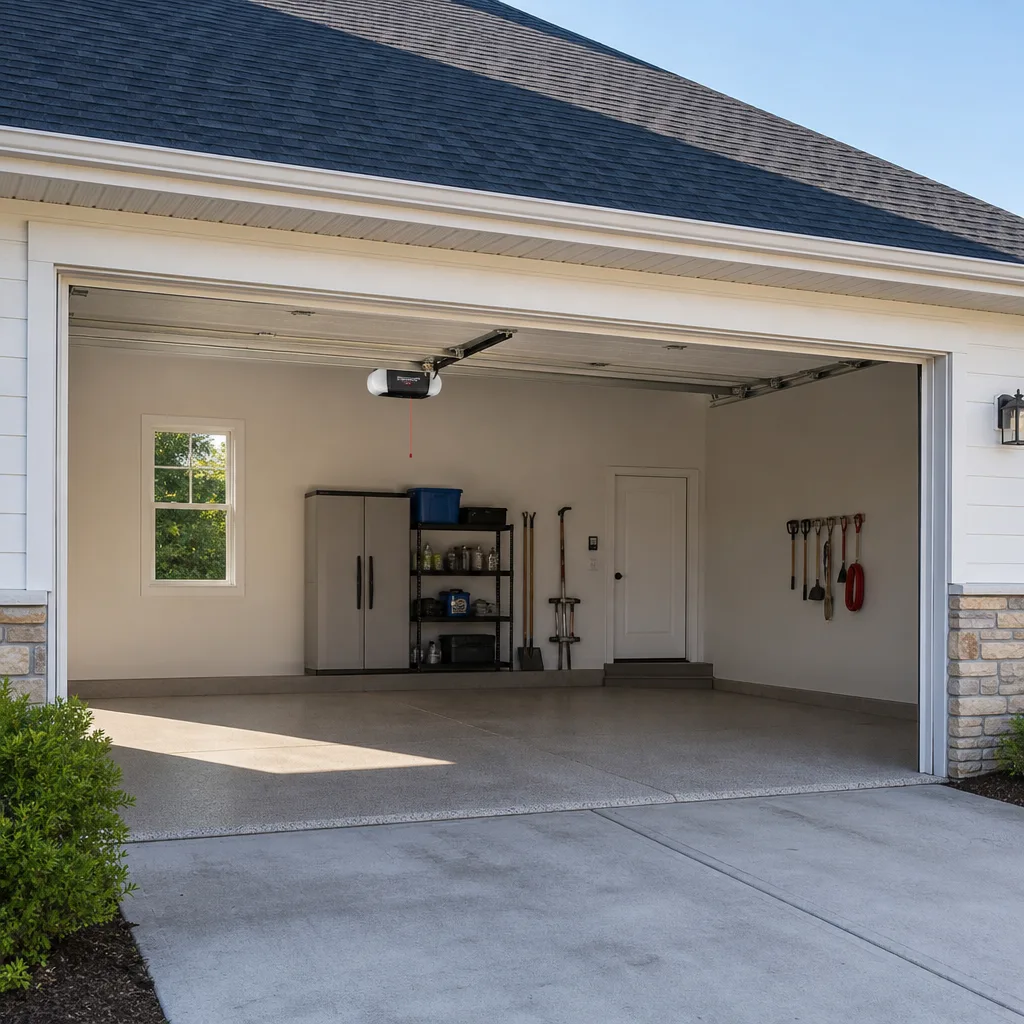 Chamberlain openers
Full 25-point door and opener safety check with every visit - springs, cables, rollers, tracks, and your LiftMaster or Chamberlain opener included
You get a price before we start. It does not change when the truck arrives.
Get your free estimateDIY vs Professional Garage Door: The Jacksonville Homeowner’s Decision Guide
Every year, somewhere in Jacksonville, a homeowner ends up in a hospital bed because a garage door spring snapped back while they were working on it. They had watched the video. They had the right tools. What they didn’t have was the experience to know that a torsion spring under full tension stores enough energy to break bones, sever tendons, or worse, and that the failure happens in a fraction of a second, not in the slow-motion way tutorials make it look. This guide, like our Garage Door Emergency Preparedness Guide for Jacksonville Homes, is not here to scare you away from ever touching your garage door. It’s here to tell you exactly which tasks you can handle safely in a Jacksonville garage on a Saturday afternoon, which ones need a licensed pro, and why the line between the two has less to do with your mechanical skill than you might think.
Quick Answer
Most Jacksonville homeowners can safely handle basic garage door maintenance themselves: cleaning photo-eye sensors, reprogramming remotes, lubricating hinges, replacing batteries, and swapping out weatherstripping. What you should never DIY is torsion spring replacement, cable work, or structural panel repair, because those jobs carry serious injury risk and, in Florida, may legally require a licensed contractor. Opener installation sits in a middle zone: you can do it yourself, but doing so usually voids the manufacturer warranty and may create issues with your home insurance if the door later fails during a storm.
Styles & brands we work with
Table of Contents
- The Florida Legal Line: What Actually Requires a Licensed Contractor
- Safe DIY Tasks: What a Jacksonville Homeowner Can Genuinely Handle
- Never DIY: The Hard Safety Line on Springs, Cables, and Panels
- Opener Replacement: The Real Cost of DIY vs. Professional
- Jacksonville Heat and the DIY Timeline: Working in an Uncooled Garage
- Storm Damage, Insurance, and the DIY Liability Trap
- Common Mistakes to Avoid
- When to Call a Professional
- Frequently Asked Questions
The Florida Legal Line: What Actually Requires a Licensed Contractor
Florida statute is more specific about garage door work than most homeowners realize. Under Florida law, any work that involves altering the structural components of a garage door, including spring replacement, cable replacement, and panel or track replacement, falls under the scope of work requiring a licensed contractor when the work is performed for compensation. That last phrase matters for the DIY conversation: you are not legally prohibited from working on your own home, but once you pay someone to do this work, that person must hold the appropriate Florida license. An unlicensed handyman who offers to replace your torsion springs for $80 is operating illegally in Jacksonville, and if they get injured on your property, your homeowner’s insurance may deny the claim because you hired an unlicensed worker.
There’s a second legal layer specific to Jacksonville and Duval County. Some neighborhoods with homeowners’ associations, including parts of Mandarin, Riverside, and San Marco, have covenants that require visible exterior modifications, like a new garage door, to go through architectural review. A professional installation company familiar with Jacksonville knows how to navigate those requirements and can supply the documentation your HOA will ask for. A DIY installation doesn’t exempt you from that process; it just leaves you to figure it out alone.
The practical takeaway: for spring work, cable work, and any repair involving the counterbalance system, the legal requirement and the safety requirement point in the same direction. Call a licensed pro.
Safe DIY Tasks: What a Jacksonville Homeowner Can Genuinely Handle
We believe in telling homeowners the truth, and the truth is that a capable person with basic tools can handle several garage door maintenance tasks without risk. Here’s the list of what’s genuinely safe, along with what each task involves.
Photo-eye sensor maintenance
The sensors at the bottom of your door tracks get bumped, dirty, and misaligned over time. If your door reverses when closing or refuses to close at all, the photo-eye sensors are the first thing to check. Look for a small light on each sensor. If one light is blinking or dark, clean the lens with a dry cloth and gently adjust the sensor bracket until both lights are steady. This is a five-minute job that requires no tools beyond a rag and maybe a screwdriver to tighten the bracket. We see this problem constantly in Jacksonville homes, and it’s almost never a sign of a bigger issue.
Remote and keypad reprogramming
Every opener brand has a different sequence for programming remotes and keypads. LiftMaster and Chamberlain use a learn button on the motor unit; Genie uses a different sequence involving the remote’s buttons; Craftsman models vary by year. Your opener’s manual has the exact steps for your model, and none of them require opening the motor housing or touching anything under tension. This is safe DIY territory. The only caveat: if your opener predates 1993, it likely lacks rolling-code technology and should be replaced rather than reprogrammed, because older fixed-code openers are vulnerable to code-grabbing theft. That’s an opener replacement conversation, not a programming fix.
Weatherstripping and seal replacement
The rubber seal along the bottom of your door and the vinyl strips along the frame degrade in Jacksonville’s heat and humidity. Replacing them is straightforward: remove the old strip, slide in the new one, trim to fit. The bottom seal slides into a channel on the door’s bottom retainer. This job takes about 30 minutes and requires only a utility knife and replacement weatherstrip, which you can buy at any hardware store in Jacksonville or order to match your door’s specific profile.
Lubrication
Your garage door needs lubrication twice a year in Jacksonville, because the salt air near the coast and the high humidity accelerate corrosion. Use a silicone-based or lithium-based spray lubricant, never WD-40. Spray the hinges, rollers, and the bearing plates at the ends of the torsion tube. Do not lubricate the track itself; that causes the rollers to slide instead of roll and creates uneven wear. This is a 15-minute job that extends the life of your entire system.
Opener battery replacement
If your opener works from the wall button but not from the remote, or if the remote only works when you’re standing directly under the opener, the remote battery is usually the culprit. Pop open the remote case, swap the battery, and test. For openers with a battery backup, that battery is also replaceable by the homeowner, though you’ll want to check your manual for the specific battery type. This is about as low-risk as home maintenance gets.
Never DIY: The Hard Safety Line on Springs, Cables, and Panels
The counterbalance system on a garage door is not like other home systems. Your door weighs somewhere between 130 and 400 pounds depending on its material and size. The torsion springs mounted above the door are wound tight enough to lift that weight, which means each spring is holding hundreds of pounds of torque. When a spring breaks, the energy releases instantly. When a homeowner tries to wind or unwind a spring without the proper winding bars and technique, and the bar slips, that same energy releases into the bar, the door, and anyone standing nearby. We have seen the aftermath: broken bones, deep lacerations, and doors that crashed down after the spring gave way mid-repair.
This is not a matter of being handy or careful. It’s a matter of the failure mode being unforgiving. A professional uses dedicated winding bars of a specific diameter, works from a ladder positioned to the side, and has done the winding sequence hundreds of times. A first-timer doing it from a YouTube tutorial is one slipped grip away from a trip to the emergency room.
Cables are the silent partner to the springs. They run under tension along both sides of the door and can fray over time, especially in Jacksonville’s humid environment. When a cable snaps, it whips. A frayed cable is a warning sign that failure is coming, and replacing it requires de-tensioning the spring system first, which loops you right back to the danger above. Do not attempt cable replacement yourself.
Structural panel replacement is a different category of risk. A bent or dented panel changes the door’s weight distribution, which puts uneven strain on the springs and cables. Replacing a panel on a sectional door means disassembling a portion of the door while it’s under tension from the counterbalance system. This is not a bolt-off, bolt-on job, and doing it wrong can cause the door to bind, fall, or damage the track. The one exception: cosmetic dent repair on a garage door that’s not part of the structural support system, which is a job for a body shop or a professional door company, not a DIY weekend project.
The rule we give every Jacksonville homeowner: if the repair involves the spring, the cable, or the structural integrity of the door itself, call a pro. Full stop.
Opener Replacement: The Real Cost of DIY vs. Professional
Garage door openers occupy the gray zone in the DIY decision. Unlike spring work, replacing an opener is mechanically straightforward: unplug the old one, unbolt it from the ceiling bracket, bolt in the new one, connect the drive rail, and program it. A competent DIYer can do this in a morning. But the decision should account for costs that don’t show up on the shelf price.
Here’s the actual comparison for a Jacksonville homeowner replacing a standard belt-drive opener:
- Opener unit cost (DIY): $180 to $280 for a Chamberlain or LiftMaster belt-drive model from a Jacksonville big-box store
- Opener unit cost (professional): $150 to $220, because professionals pay wholesale pricing and can pass some of that down
- DIY labor time: 3 to 5 hours for a first-timer, plus one or two trips to the hardware store for mounting brackets, lag bolts, or a longer power cord
- Professional labor: 1 to 2 hours, including removal of the old opener and disposal
- DIY total: $180 to $280, plus your time, plus the risk of a mis-mounted unit
- Professional total: $350 to $500 in the Jacksonville market, including the unit, installation, and old-unit disposal
The hidden cost that most comparison articles miss is the warranty. LiftMaster and Chamberlain both state in their warranty terms that self-installation voids the warranty. The same is true for Genie and Craftsman openers. If your DIY-installed opener fails in month seven, you’re buying another one. A professionally installed opener keeps the manufacturer’s warranty intact, and many installation companies, including full-service shops, add their own labor warranty on top. That’s the difference between a $250 experiment and a $400 investment that’s covered for years.
There’s also the compatibility question. If your Jacksonville home was built in the 1990s or earlier, you may have an opener with a chain drive and older safety sensor wiring. A new belt- or wall-mount opener may require a different power source location, new sensor wiring, or a different ceiling bracket configuration. We’ve seen plenty of homeowners get halfway through a DIY opener swap before realizing the new unit’s rail doesn’t fit their existing header bracket. At that point, the door is disabled, the garage is unusable, and the phone call to a pro has added urgency and cost.
If you want to DIY your opener, and you’ve confirmed the new unit is compatible with your existing setup, go ahead. But go in with your eyes open about what the warranty and compatibility gambles actually cost. For most Jacksonville homeowners, garage door opener installation by a professional is the better financial decision over a five-year horizon.
Jacksonville Heat and the DIY Timeline: Working in an Uncooled Garage
Most garage door guides are written by people who’ve never worked in a Florida garage in August. We have. The temperature inside an un-air-conditioned Jacksonville garage in July routinely hits 100 degrees with humidity above 85 percent. That changes the calculus of every DIY garage door project in ways that have nothing to do with mechanical skill.
Heat exhaustion is a real risk for a four-hour opener replacement or a full afternoon of door maintenance. The early symptoms, headache, dizziness, nausea, heavy sweating, are easy to push through, and that’s exactly when mistakes happen. You forget a step, you lose focus while holding a heavy panel, you take a shortcut on the ladder because you want to get back inside. None of those mistakes matter on a thermostat replacement. On a 200-pound door or an opener hoisted overhead, they matter.
The practical advice for Jacksonville DIYers who want to work in their garage: start at 7 a.m. in the summer months, work in 45-minute increments, drink water before you feel thirsty, and stop the moment you feel dizzy or lightheaded. Also know that the heat itself affects your equipment. Lithium grease thins out and drips in high heat; nylon rollers degrade faster in sustained heat; the rubber on bottom seals hardens and cracks more quickly than the manufacturers’ lifespan estimates suggest. A garage door that’s been ignored through a Jacksonville summer will need more attention than one in a milder climate, and that attention should come before the first fall cold front, not after the door starts misbehaving.
There’s one more Jacksonville-specific factor: afternoon thunderstorms. If you’ve unbolted your door or disabled your opener and a July thunderstorm rolls through, you now have a home with a non-functional garage door during a storm. That’s a security issue for your home and a safety issue for anyone who has to go in or out. A professional installation is scheduled around the weather with the truck parked in your driveway, the door back in operation before they leave. A DIY job that gets rained out mid-way leaves you scrambling.
Storm Damage, Insurance, and the DIY Liability Trap
Jacksonville sits in hurricane territory, and Florida homeowners pay some of the highest insurance premiums in the country. What most homeowners don’t know is that their garage door’s condition and installation history can affect a storm damage claim. Florida building code has specific wind-load requirements for garage doors, particularly in coastal and near-coastal areas of Duval County. A door that doesn’t meet current wind-load standards, or a door that was improperly installed, can become a point of denial in a hurricane damage claim.
Here’s the scenario we hear about from homeowners after a storm: they installed a new garage door themselves three years ago, or they let a handyman do it for cheap. The door survived until a hurricane-force wind event, and then it buckled or blew in. The insurance adjuster looks at the door, finds it wasn’t installed to current wind-load standards, and the claim gets complicated. The homeowner’s argument, that the door was fine for three years, doesn’t matter. What matters is whether the installation met Florida building code at the time it was done.
A professional installation from a licensed Jacksonville contractor solves this problem before it exists. The work is done to code, the wind-load rating is documented, and the homeowner has a paper trail that satisfies the insurance company’s questions. A DIY installation has none of that. You might save $500 on installation day and lose $4,000 on a denied storm damage claim three years later.
The same logic applies to door repairs after a storm. If your door took wind damage and you patch it yourself, you may be creating a second liability: a door that now fails under a subsequent storm, causing damage to your home’s interior or your vehicles. An insurance company looking at that second claim may determine that the first repair was inadequate and contributed to the second loss. In Florida’s insurance environment, that’s a risk no homeowner should take. If the damage is cosmetic and you want to live with the dent, that’s your call. If the damage affects the door’s structural integrity or its wind resistance, garage door repair in Jacksonville is the call you should make instead.
Common Mistakes to Avoid
- Attempting torsion spring replacement after watching a video. The video doesn’t convey the force involved in a spring under full winding tension. A slipping winding bar moves faster than your reaction time. This is the single most common cause of garage door injuries in Jacksonville and everywhere else.
- Using WD-40 instead of proper garage door lubricant. WD-40 is a solvent, not a lubricant. It will strip existing lubrication and leave metal parts drier than they were, accelerating wear in Jacksonville’s already-corrosive coastal air.
- Ignoring a frayed cable. A cable with visible frays is already failing. It may hold for weeks or fail tomorrow. When it fails, the door can drop suddenly, and the whipping cable becomes a projectile. A frayed cable is a professional repair, not a watch-and-wait situation.
- DIY installing a door without checking HOA requirements. Jacksonville neighborhoods from Ortega to Julington Creek have architectural review boards with specific rules about garage door materials, colors, and designs. A $2,500 DIY door installation can trigger a $500 fine and a forced replacement if it violates the covenant.
- Forgetting that a garage door is the largest moving object in your home. People who would never touch their home’s electrical panel will happily work under a 300-pound door suspended by springs. The risk profile is similar. Respect the equipment.
- Buying a replacement opener without checking compatibility first. Not every LiftMaster rail fits every Chamberlain mount. Not every Genie opener works with older Craftsman wall controls. Confirm compatibility before you unbolt the old unit, or you’ll be living with a non-functional garage door until a pro can come out.
When to Call a Professional
Call a pro when the repair involves the spring, the cable, the track, or any structural part of the door itself. Call a pro when your door won’t open or close and you’ve already ruled out the simple fixes: sensor alignment, remote batteries, locked mode. Call a pro when you’re replacing an opener and the math on voided warranties and compatibility risk no longer makes sense. Call a pro after storm damage, because the insurance stakes are too high to gamble on a quick fix. Main Street Garage Door Repair offers free estimates in Jacksonville, and we work on all major brands including LiftMaster, Chamberlain, Genie, and Craftsman. Call (833) 467-4139 and we’ll tell you what’s wrong, what it costs, and what actually needs to be done.
Frequently Asked Questions
You can physically attempt it, but you should not. Torsion springs under tension store enough energy to cause severe injury or death, and the tools and technique required are not something a tutorial can safely teach you. Additionally, if you pay someone else to do the work in Florida, that person must be licensed. Call a licensed professional for spring work. Call (833) 467-4139 for a free estimate.
In the Jacksonville market, torsion spring replacement typically runs between $180 and $340 including parts and labor, depending on the spring’s size, wire gauge, and whether you need one or two springs replaced; see our Garage Door Cost Breakdown: The Jacksonville Homeowner’s Reference for 2026 for fuller pricing context. Some companies charge separately for the service call. Main Street Garage Door Repair provides upfront pricing before any work begins, so the quote you approve is the price you pay.
Mechanically, yes. A homeowner with basic tools and a free morning can replace a garage door opener. The catch is that most manufacturers including LiftMaster, Chamberlain, Genie, and Craftsman void the warranty on self-installed openers. You also risk compatibility issues with your existing mounting hardware and wiring. For most Jacksonville homeowners, professional installation is the better long-term value.
It might, or it might not. Florida insurers have become aggressive about denying claims tied to non-code-compliant installations, and a DIY garage door installation has no documentation proving it meets Florida’s wind-load requirements. That’s a real risk in Jacksonville’s hurricane climate. Professional installation provides the paper trail your insurance company will want to see.
You can safely clean and realign photo-eye sensors, replace remote and keypad batteries, reprogram remotes following your opener’s manual, replace weatherstripping along the bottom and sides, and lubricate hinges, rollers, and bearing plates with the correct lubricant. All of these are low-risk tasks that keep your door running between professional services.
Given Jacksonville’s heat, humidity, and salt air, we recommend a professional inspection and tune-up once a year. A pro will catch early signs of spring fatigue, cable wear, and roller degradation before they turn into emergency failures. Think of it like an oil change: the service costs less than the breakdown it prevents. Call (833) 467-4139 to schedule an inspection.
The Bottom Line
The DIY-versus-professional question for garage doors comes down to risk tiers. Low-risk maintenance like sensors, remotes, weatherstripping, and lubrication is genuinely yours to handle; go do it and enjoy the savings. High-risk work like springs, cables, and structural panels has a hard safety line that no YouTube tutorial erases. The middle zone, opener replacement specifically, is a financial calculation where the warranty void and compatibility risks usually make professional installation the smarter play in Jacksonville. We work on all major brands, from LiftMaster to Chamberlain to Genie to Craftsman, and we’d rather tell you that a job is safe to DIY than sell you a service you don’t need; for additional help, explore more guides & resources on our blog. When your garage door needs a professional, one call does it: (833) 467-4139. If you’re still not sure which category your problem falls into, start with a free estimate from a local Jacksonville company that works on every major brand, because the answer to “can I fix this myself” is always specific to the door in front of you.
Written by the team at Main Street Garage Door Repair, serving Jacksonville since 2018.
See the difference
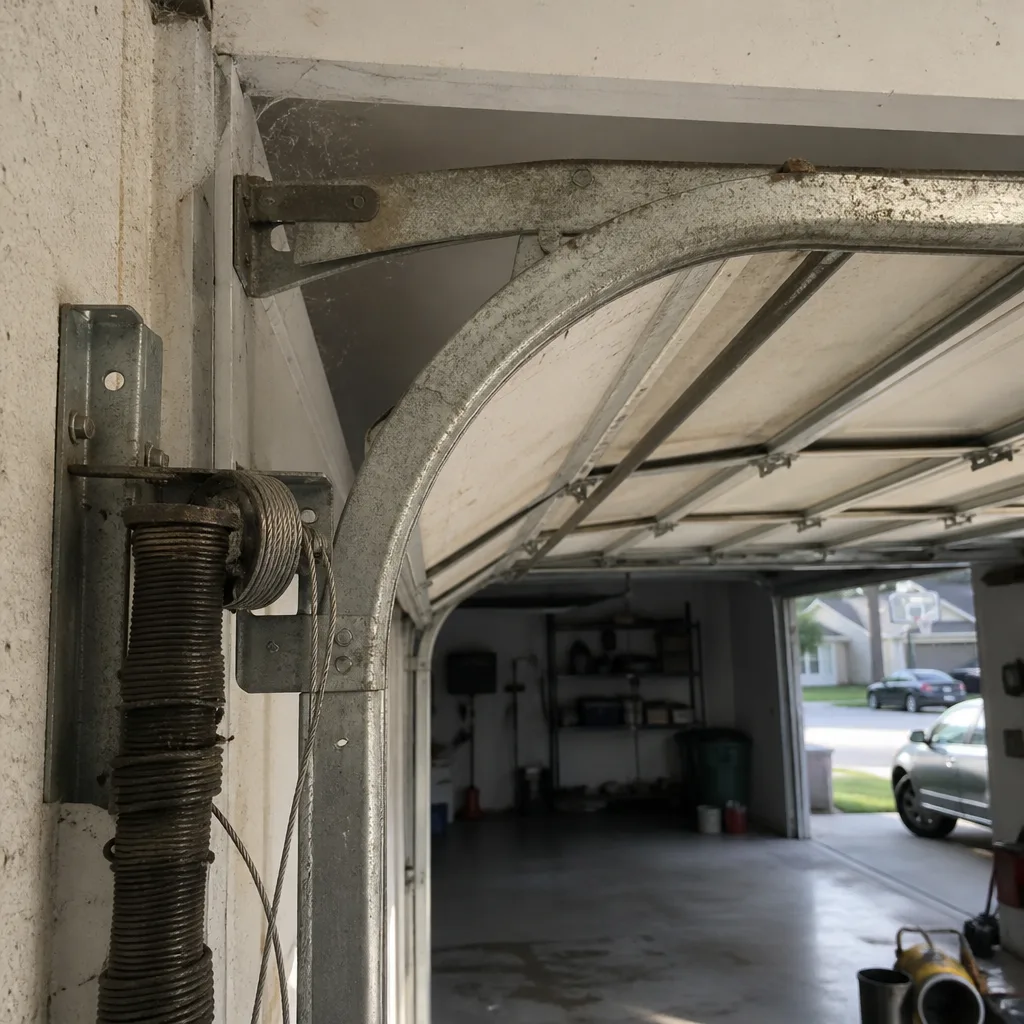
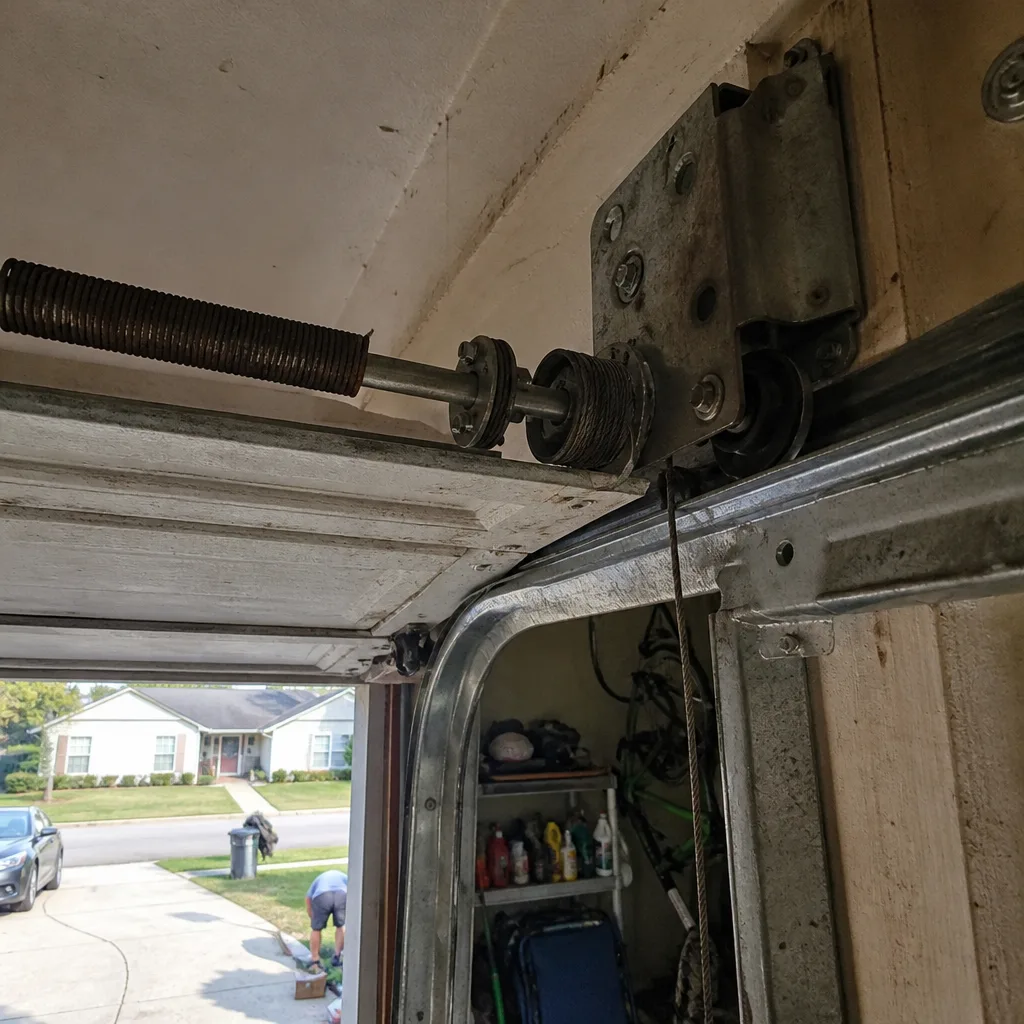
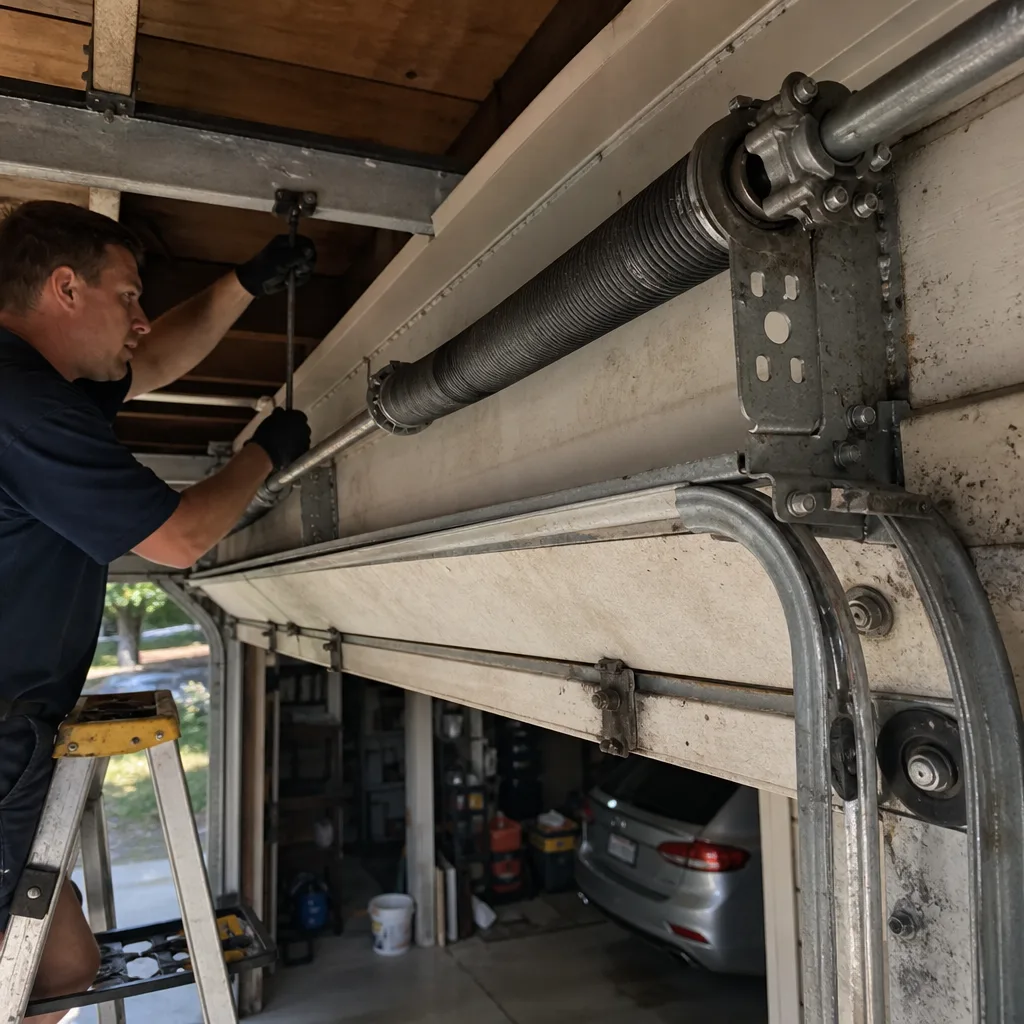 Before
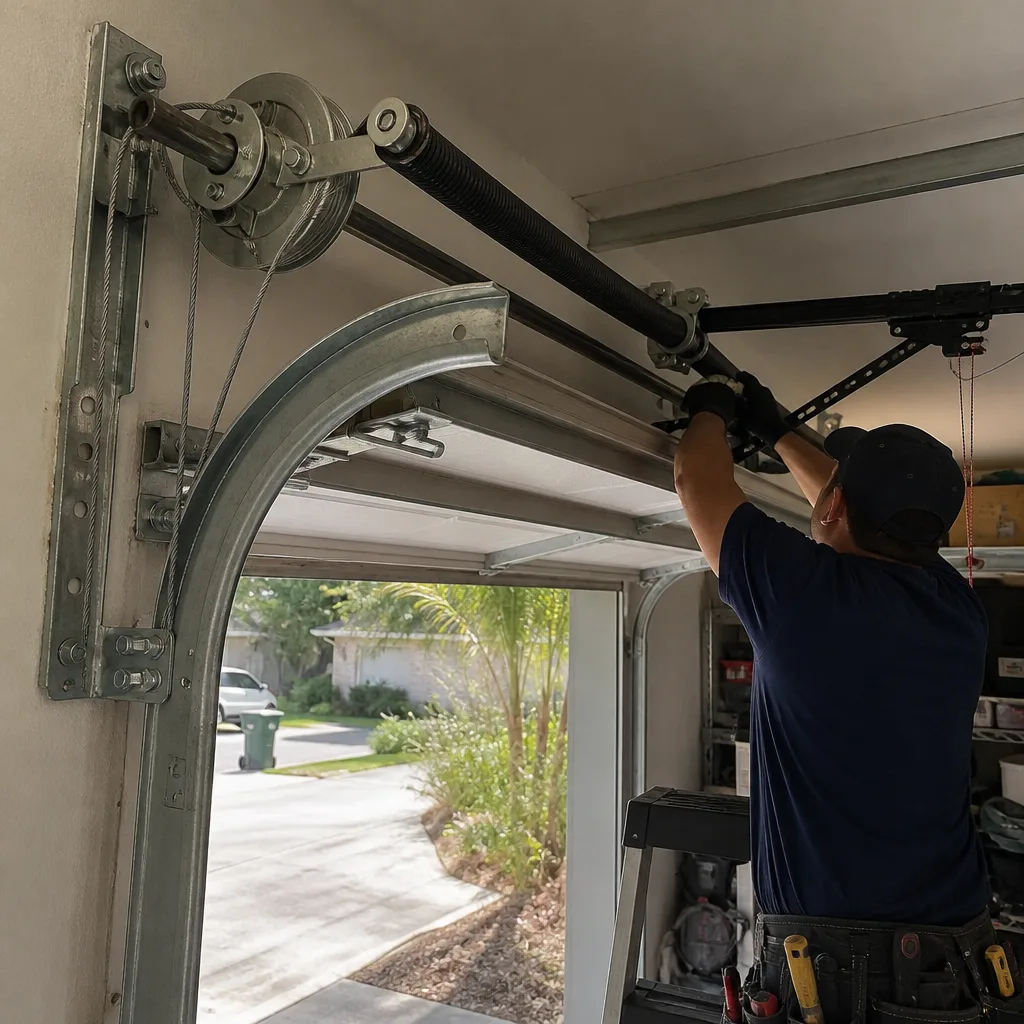
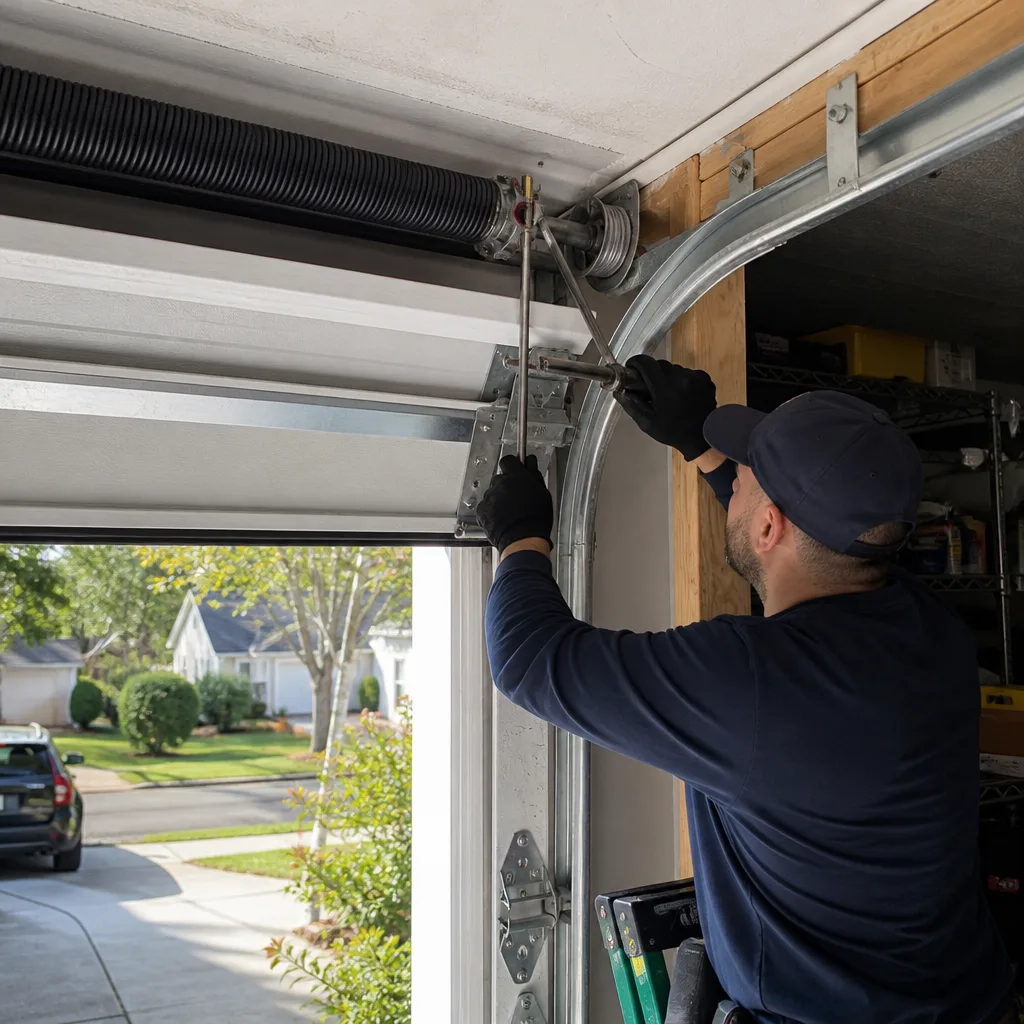
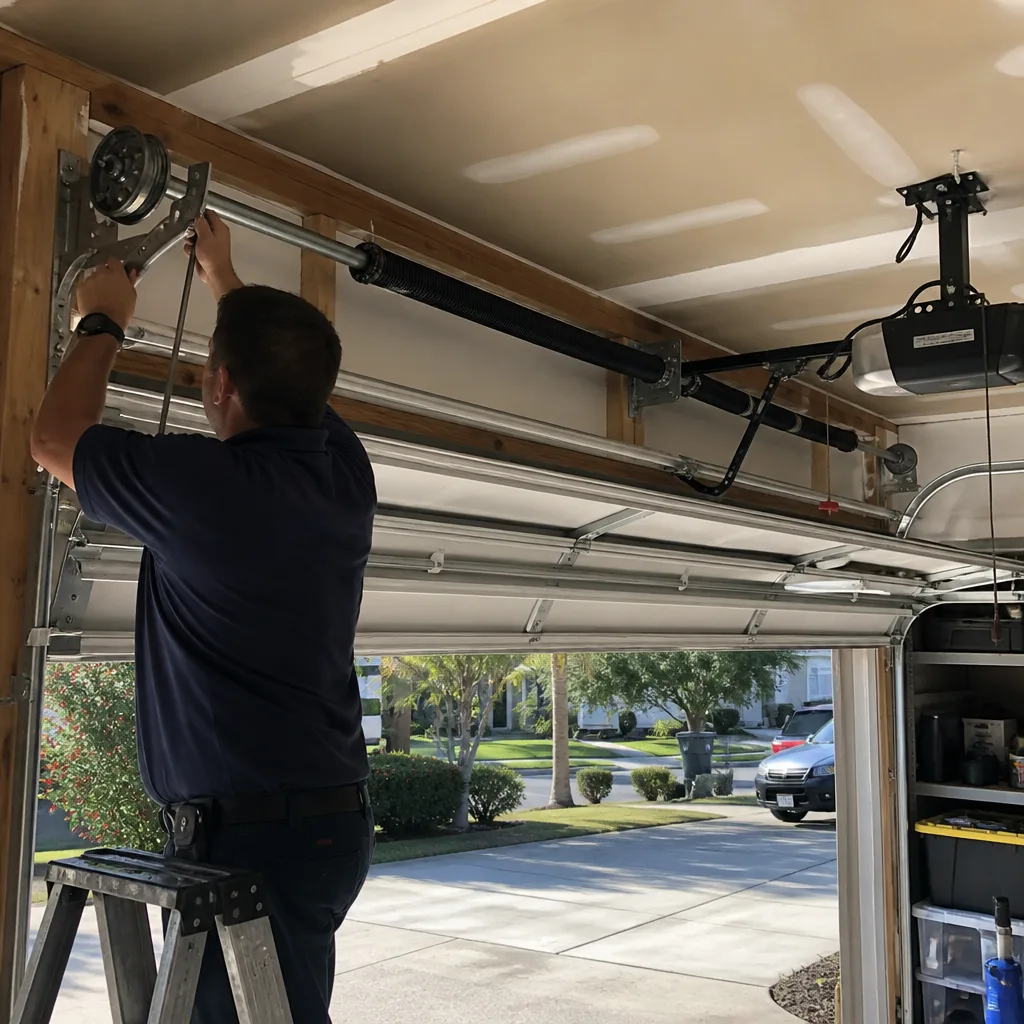 After
 Before
 After
 Before
 After