

Last updated October 31, 2026
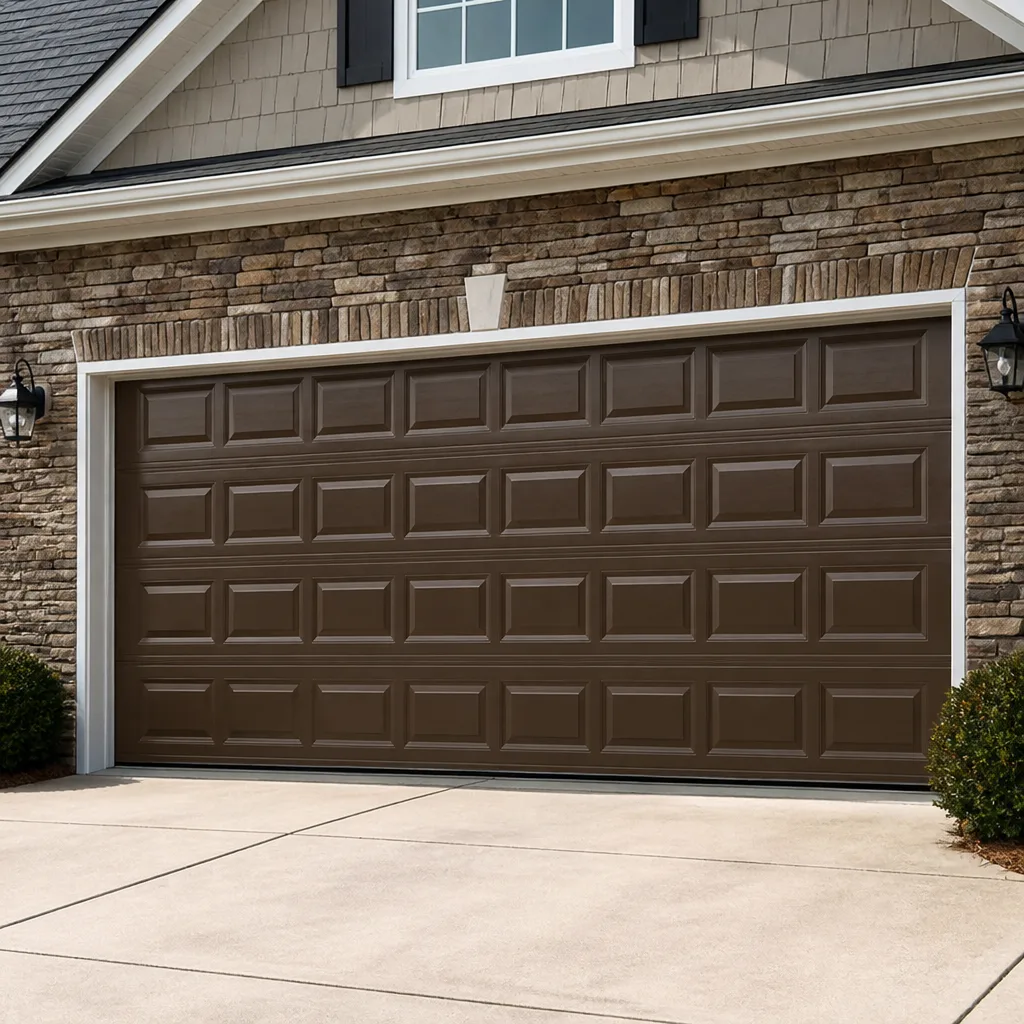 Raised-panel steel
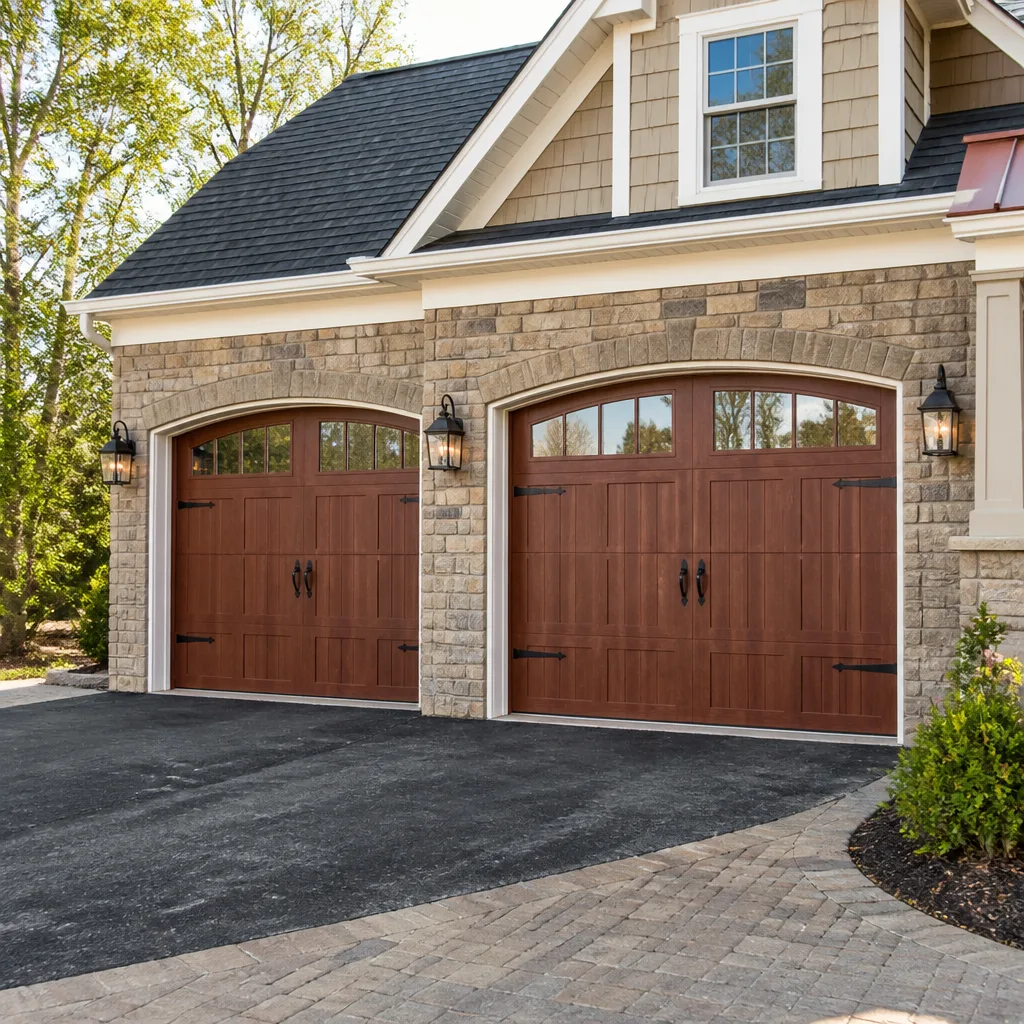 Carriage house
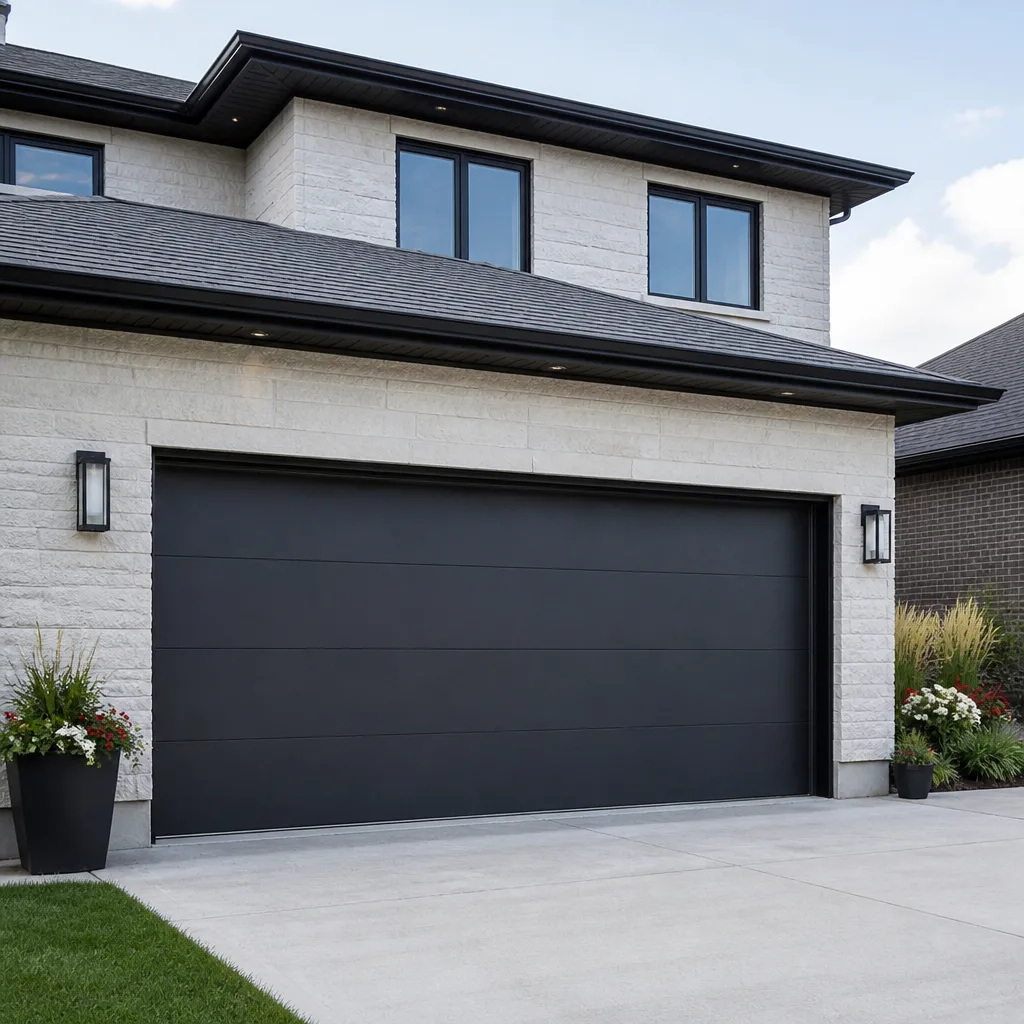 Modern flush
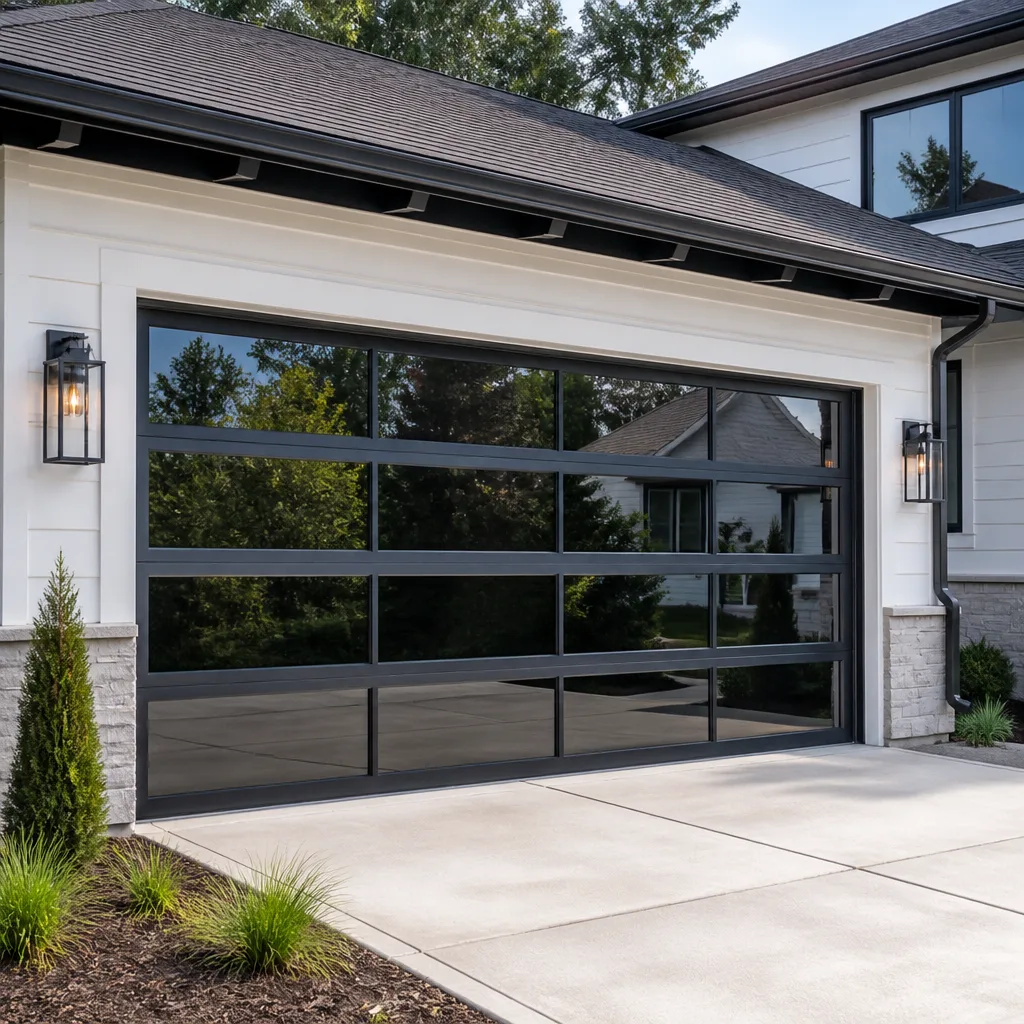 Full-view glass
 LiftMaster openers
 Chamberlain openers
Full 25-point door and opener safety check with every visit - springs, cables, rollers, tracks, and your LiftMaster or Chamberlain opener included
You get a price before we start. It does not change when the truck arrives.
Get your free estimateThe Complete Garage Door Repair Guide for Jacksonville Homeowners
Most garage door guides are written for Denver or Chicago. Jacksonville’s coastal climate corrodes springs 40% faster than inland cities, which means the national repair timelines and part lifespans you read online are quietly wrong for your home. This guide maps the full repair landscape through the lens of what actually breaks in Northeast Florida and why. You’ll learn how to diagnose problems by sound and movement, which repairs are safe to attempt yourself, and when to call someone who works on your specific brand every week.
Quick Answer
Garage door repair in Jacksonville typically costs $150 – $400 depending on the component, with spring replacement running $180 – $340 and opener replacement between $350 – $600. Most common failures involve torsion springs, cables, and opener logic boards, all of which deteriorate faster here due to humidity and salt air. The fastest path to a working door is diagnosing the specific component before calling, then getting a quote agreed upon before any work starts.
Styles & brands we work with
Table of Contents
- Why Jacksonville’s Climate Changes Everything
- How Your Garage Door Actually Works
- Diagnosing Problems by Sound, Speed, and Movement
- DIY-Safe Repairs vs. Dangerous Ones
- Spring Repair: The Most Common Jacksonville Failure
- Cable Repair and Track Alignment
- Opener Repair: Legacy Systems and Smart Openers
- Jacksonville Seasonal Maintenance Calendar
Why Jacksonville’s Climate Changes Everything
Jacksonville sits in a unique environmental pocket where three forces combine against your garage door: Atlantic salt air, year-round humidity, and sandy soil that shifts under concrete slabs. None of these appear in generic repair guides.
Salt air is the quiet destroyer. Homes east of the Intracoastal, from Mayport down through Atlantic Beach and Neptune Beach, see spring corrosion rates roughly 40% faster than inland neighborhoods like Mandarin or Orange Park. The salt doesn’t just sit on the surface. It works into the microscopic gaps in galvanized coatings, starting rust that eventually causes springs to snap at stress points.
Humidity is the second force. Jacksonville’s average relative humidity hovers around 75% year-round, and it spikes above 90% on summer mornings. That moisture accelerates oxidation on every exposed metal part: hinges, rollers, cables, and the spring itself. Wood and composite doors absorb that moisture too, swelling in summer and contracting in winter. We’ve seen wood doors in Riverside and Avondale gain a quarter inch of width in August, throwing track alignment off just enough to cause binding.
Sandy soil matters more than homeowners realize. The sand base under many Jacksonville foundations shifts with rain cycles. When the slab under your garage settles a fraction of an inch, the door tracks torque slightly. The result is a door that works fine for years, then suddenly starts grinding on one side. In neighborhoods built on former marshland like parts of the Southside, this settling pattern is especially common.
What this means practically: if you read that garage door springs last 10,000 cycles, that number assumes a moderate inland climate. In Jacksonville, expect 7,000 – 8,000 cycles from a standard spring before fatigue becomes a real risk. That’s roughly 7 – 8 years for a door used 1,000 times annually, and less if your door faces east toward the ocean breeze.
How Your Garage Door Actually Works
Your garage door is the heaviest moving object in your home. A standard two-car steel door weighs 150 – 200 pounds, and a wood or composite door can push past 300. It moves because of a counterbalance system, not the opener. The opener is just the motor that gets things started.
Here’s the complete mechanical picture:
- The springs store tension that counterbalances the door’s weight. Without them, the door feels impossibly heavy.
- The cables transfer that spring tension to the door itself, winding around drums at the top of the shaft.
- The tracks guide the rollers, which let the door travel up and down smoothly.
- The opener applies force to move the door through its travel, but it’s only designed to handle about 15% of the actual load.
- The safety sensors sit near the floor and stop the door if something crosses the beam.
When one component fails, others follow. A broken spring puts all the door’s weight on the opener, which burns out motors. Worn rollers put lateral force on tracks, which bends them. A sticking logic board causes repeated reversal cycles, which wears springs prematurely.
This is why diagnosis matters before repair. Replacing the opener when the spring is the problem means the new opener gets destroyed within months. Repair or replace, we’ll tell you which one actually makes sense for your specific setup.
Diagnosing Problems by Sound, Speed, and Movement
Most garage door problems announce themselves before total failure. Learning to read those signals saves you money because small fixes prevent big ones.
The loud bang: That sound like a gunshot from your garage is almost always a torsion spring snapping. It happens when the door is closed and the spring is under maximum tension. After this, the opener will struggle because it’s suddenly lifting the door’s full weight alone. Don’t run the opener again. The spring has failed completely.
The grinding noise: Metal-on-metal scraping usually points to worn rollers. Rollers have bearings inside, and when those bearings seize, the roller stops spinning and drags flat against the track. In Jacksonville’s humidity, this seizing happens faster because moisture gets inside the bearing assembly.
The creaking or popping: This typically comes from the hinges between door panels. Rust builds up in the hinge pins, and they start binding instead of pivoting freely. A pop sound often accompanies a hinge that’s about to seize entirely.
The slow, labored movement: If your door opens slower than it used to, and the sound is more of a hum, check the spring. A weak or failing spring doesn’t always snap explosively. Sometimes it loses tension gradually, putting more strain on the opener. You’ll notice the door feels heavier if you disconnect the opener and try to raise it manually.
The uneven movement: One side rises faster than the other. This is cable or track misalignment. The cable on one side may have stretched, or a track may have been knocked out of alignment by settling. Either way, the door is fighting itself.
The door reverses immediately after closing: This is usually the safety sensors. They’re misaligned, dirty, or blocked. In Jacksonville, spider webs and insect debris on sensor lenses are common culprits, especially on doors facing the water where flying insects collect near the garage entrance.
DIY-Safe Repairs vs. Dangerous Ones
Some garage door repairs are genuinely DIY-appropriate. Others send people to Jacksonville ERs every year. Knowing the difference is the most important decision you’ll make in this guide.
Safe to attempt yourself:
- Tightening loose bolts and brackets on tracks and hinges
- Lubricating rollers, hinges, and springs with white lithium grease
- Cleaning and realigning safety sensor lenses
- Replacing remote batteries and reprogramming openers
- Adjusting the force settings on your opener
- Replacing weather stripping along the bottom of the door
Never attempt these yourself:
- Torsion spring replacement: These springs are under hundreds of pounds of tension. A mistake releases that energy instantly, and the winding bar becomes a projectile. This is the single most dangerous home repair in America.
- Cable replacement or repair: Cables are tensioned to the same system as the springs. If a cable snaps while you’re handling it, the whiplash force can sever fingers.
- Track removal or major track adjustment: Under tension, the track helps hold the door in the correct position. Removing it without proper support lets the door fall.
- Door panel replacement on a weighted door: The bottom panel holds the cable anchors. Removing it without securing the rest of the door is a loading error that ends with the entire door coming down.
We’ve worked on Jacksonville doors where homeowners attempted spring replacement after watching a tutorial. The common thread in the stories we hear is the same: the video made it look manageable. The reality involves a tool bar under tension, a ladder at the wrong angle, and no control over what happens next. Your door is the heaviest moving part of your home, and it deserves a specialist who works with the full tension system every day.
Spring Repair: The Most Common Jacksonville Failure
Torsion springs are the component we replace most often on Jacksonville doors. The failure pattern here is predictable: salt air and humidity create corrosion pitting on the spring surface, and those pits become fracture points when the spring winds and unwinds thousands of times.
Here’s what makes Jacksonville spring failures different from other regions:
- Coastal doors fail faster: A spring in Neptune Beach or Atlantic Beach may last 5 – 6 years. The same spring in a climate-controlled inland garage in Middleburg might last 9 – 10.
- Summer heat accelerates fatigue: Metal expands in heat, and Jacksonville’s August temperatures push garage interiors past 110°F. That expansion- contraction cycle adds stress beyond the normal winding cycle count.
- Humidity means rust happens even on “sealed” springs: Most springs have an oil coating, but Jacksonville’s moisture penetrates that coating through pitting.
Spring replacement pricing in Jacksonville typically falls in the $180 – $340 range for a standard two-spring system, depending on the door weight and spring size. That includes the springs, labor, and a tension check on the entire balance system. The price gets quoted and agreed upon before any work starts.
When we replace springs, we also inspect what the spring failure may have damaged. A spring that snaps with force can knock cables off their drums, bend the spring mounting bracket, or stress the opener gear. Fixing the spring without checking everything else leaves a door that works today and breaks tomorrow.
Same door, working right. That’s the standard: full restoration to proper function, not a patch that gets you through the month.
Cable Repair and Track Alignment
Cables are the overlooked component until they fail. They work silently, transferring spring tension to the door itself. But cable failure in Jacksonville follows a specific pattern.
Inland cables usually fray first. Coastal Jacksonville cables corrode first. Salt air attacks the cable strands, and corrosion causes individual wires to break one at a time. You’ll see a fuzzy appearance near the drum, and eventually the remaining strands snap under load.
Cable failure is dangerous because it happens unexpectedly. The door jerks, then drops unevenly, then jams in the track. If your car is under the door at that moment, you have sheet metal damage on top of the repair cost.
Track alignment issues in Jacksonville have a different root cause than in most cities. Slab settlement shifts tracks gradually. The first sign is a door that scrapes on one side. The second sign is visible wear on the roller on that side. Left unaddressed, the roller eats through the track.
Here’s the sequence for checking a door that’s scraping:
- Look at the gap between the roller and the track on both sides. Uneven gap means track misalignment.
- Check the floor-to-track distance at the top, middle, and bottom. Slab settlement shows as a taper.
- Look for roller wear: flat spots, wobble, or missing bearings.
- Check the cables for fraying or corrosion at the drum.
Track realignment is precise work. The tracks need to be level and parallel within a narrow tolerance, and the springs need to be released before any track adjustment happens. That’s a spring-and- cable job, not a DIY afternoon project.
Opener Repair: Legacy Systems and Smart Openers
Opener repair is where brand familiarity matters most. Jacksonville neighborhoods have a mix of door brands because of how the housing stock developed over decades. In a 1970s development in Arlington, you’ll find original Wayne Dalton doors and Craftsman openers. In a 2010s build in Nocatee, it’s more likely LiftMaster or Chamberlain with smart-home integration. A technician who only knows one brand’s error patterns is guessing.
Main Street Garage Door Repair works on eight of the industry’s most widely installed brands: LiftMaster, Chamberlain, Genie, Clopay, Amarr, Wayne Dalton, Craftsman, and Raynor. That breadth matters because opener failures are often brand-specific. A Genie that won’t respond to the remote has a different failure profile than a Craftsman with the same symptom.
Here’s what opener problems look like in Jacksonville:
- Logic board failures: Humidity is the enemy of circuit boards. Jacksonville’s moisture works into the board through the cooling vents, and corrosion builds on contact points.
- Limit switch drift: The switches that tell the opener where to stop get knocked out of position by door weight changes, especially when springs weaken.
- Gear and sprocket wear: The plastic gears inside many openers were never designed for the load of an unbalanced door. When springs fail and the opener keeps running, the gears strip.
- Smart-home integration failures: Modern LiftMaster and Chamberlain openers with Wi-Fi modules occasionally lose connection after Jacksonville’s summer storms knock out power and reset routers.
Opener replacement runs $350 – $600 in Jacksonville for a quality motor with installation. That price varies by brand, horsepower, and whether you want smart features. We’ll recommend based on your existing setup and budget, not on which brand has the best supplier incentives this quarter. That’s the difference between an independent operator and a franchise-controlled sales operation.
Jacksonville Seasonal Maintenance Calendar
Jacksonville doesn’t have real winters, but it has distinct seasons that affect garage doors differently. Here’s a maintenance calendar built around the actual weather patterns.
March – April: Post-Winter Inspection
Winter in Jacksonville brings temp swings between warm days and cool nights. The expansion-contraction cycle loosens hardware. In March, check every bolt and bracket for tightness, lubricate all moving parts, and test the door balance by disconnecting the opener and lifting manually. A door that stays in place at the halfway point is balanced. One that drops needs spring attention.
May – June: Hurricane Season Prep
This is the critical window. Hurricane season starts June 1, and your garage door is the largest opening in your home. A door that bends inward during storm winds exposes everything inside to wind and debris damage. Before June, verify that the door seals tightly, that the bottom seal is intact, and that the tracks are solidly anchored. If your door is older and shows rust at the panel seams, consider reinforcement before the first named storm.
July – September: Summer Heat Monitoring
Heat Makes Metal Expand. The hot months are when slippage happens: cables stretch slightly, track screws back out, spring tension shifts. Listen for new sounds during these months. A creak that wasn’t there in May is a symptom, not background noise. Lubricate monthly during summer because heat thin out lubricant faster.
October – November: Post-Hurricane Inspection
After the storm season passes, inspect for damage even if your door worked fine during the weather. Storm winds torque tracks subtly. Salt spray from coastal storms accelerates corrosion. Check cables for new fraying and springs for new rust spots.
December – February: Winter Humidity Management
Jacksonville’s winter humidity is lower but still present. The real winter issue is condensation: cold metal, warmer air, moisture forms. Keep the garage ventilated. If you see rust forming on springs or hinges, address it with a light oil application before it becomes pitting.
Common Mistakes to Avoid
- Running the opener after a spring snaps: The opener is now lifting the full door weight alone, which destroys the gear train. After a bang, disconnect the opener and leave it disconnected.
- Lubricating the wrong parts: WD-40 is a solvent, not a garage door lubricant. Use white lithium grease on moving metal parts. Lubricating the belt or chain on your opener just makes a mess.
- Replacing the opener when the spring is the problem: A new opener on a door with a failed spring will burnout its gears within months. Diagnose the spring first.
- Ignoring a door that’s slower in summer: Heat affects spring tension. A door that’s sluggish in August isn’t just being difficult. It’s telling you the spring is weakening.
- Attempting spring or cable work without tension training: These repairs require releasing and re-tensioning the entire counterbalance system. The learning curve has permanent consequences for mistakes.
- Buying the cheapest spring: A bargain spring rated for 5,000 cycles means another replacement in 5 years. A 10,000-cycle spring costs more upfront but saves money over the door’s life.
- Forgetting the safety sensors: Many “broken” doors in Jacksonville just have spider webs on the sensor lenses. Two minutes of cleaning fixes what would have been a $129 service call.
See the difference
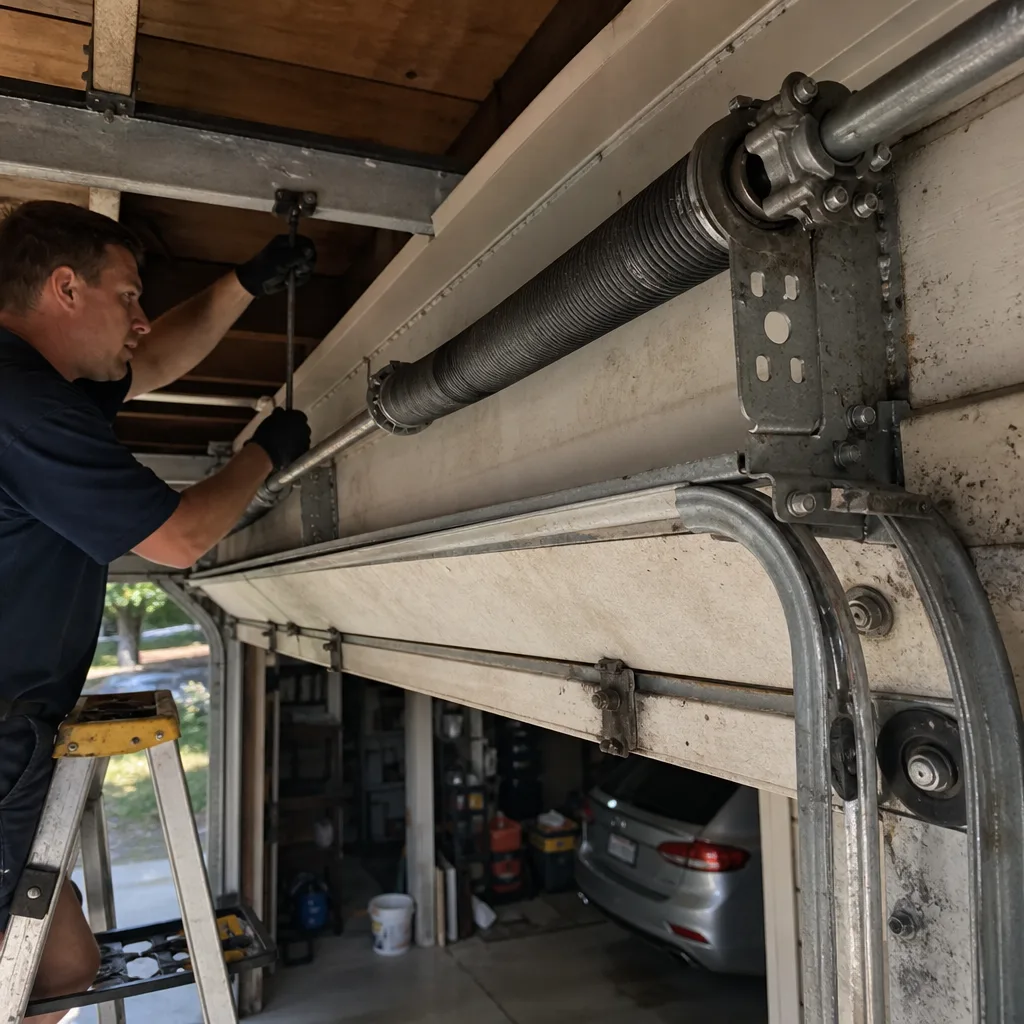 Before
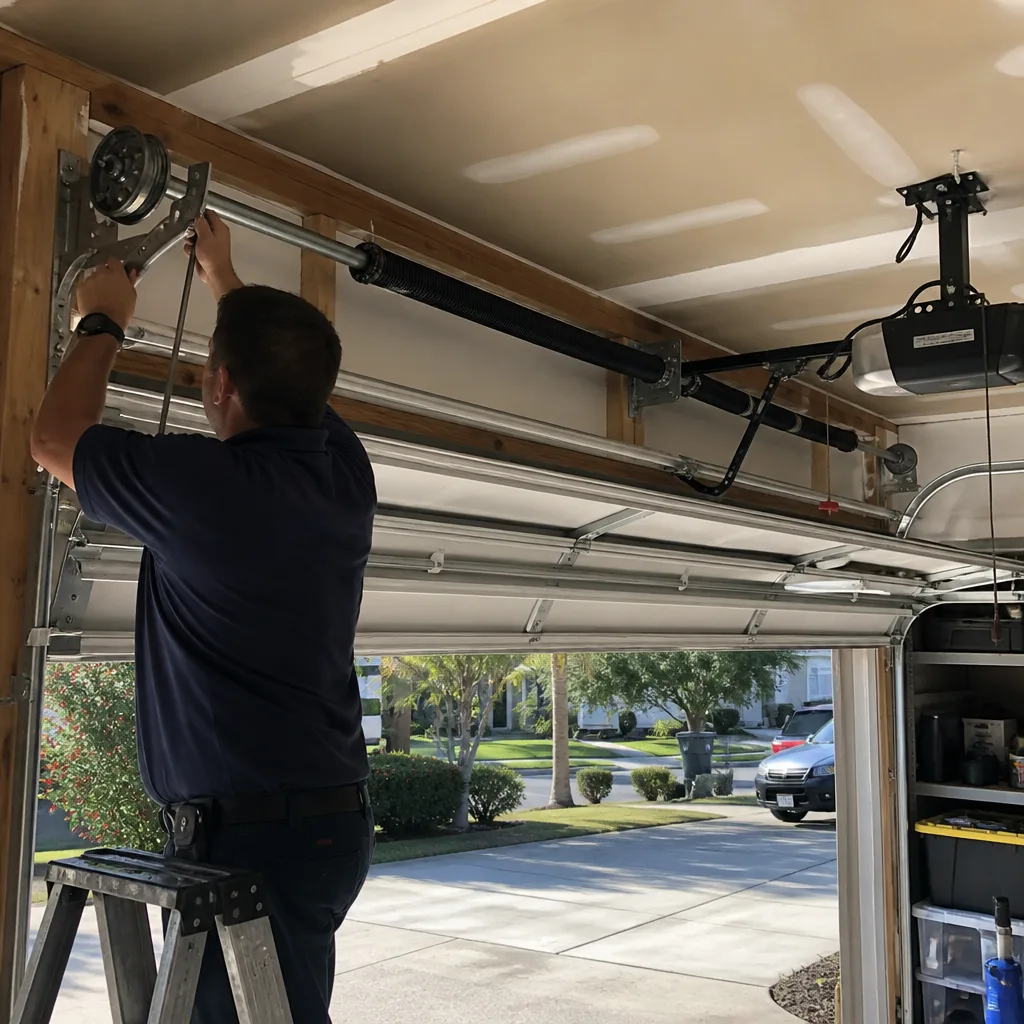 After
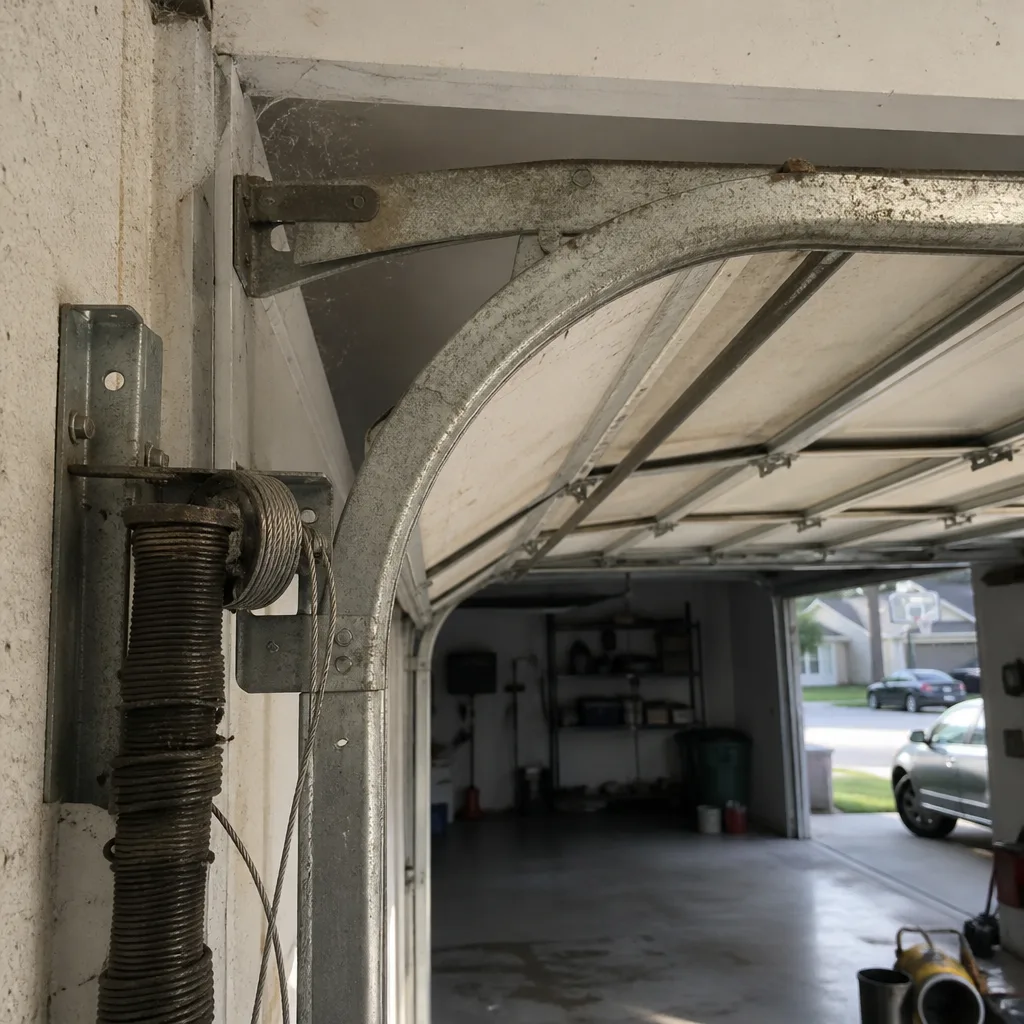 Before
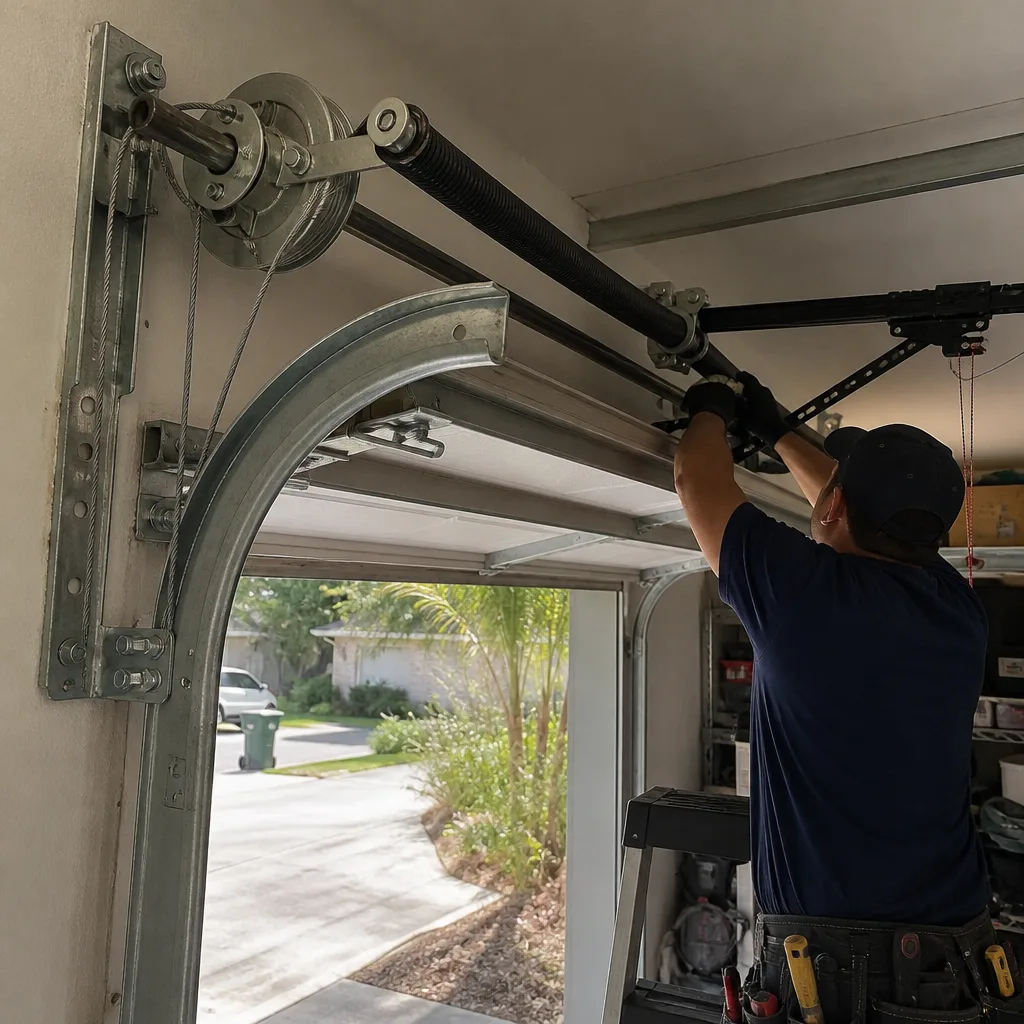 After
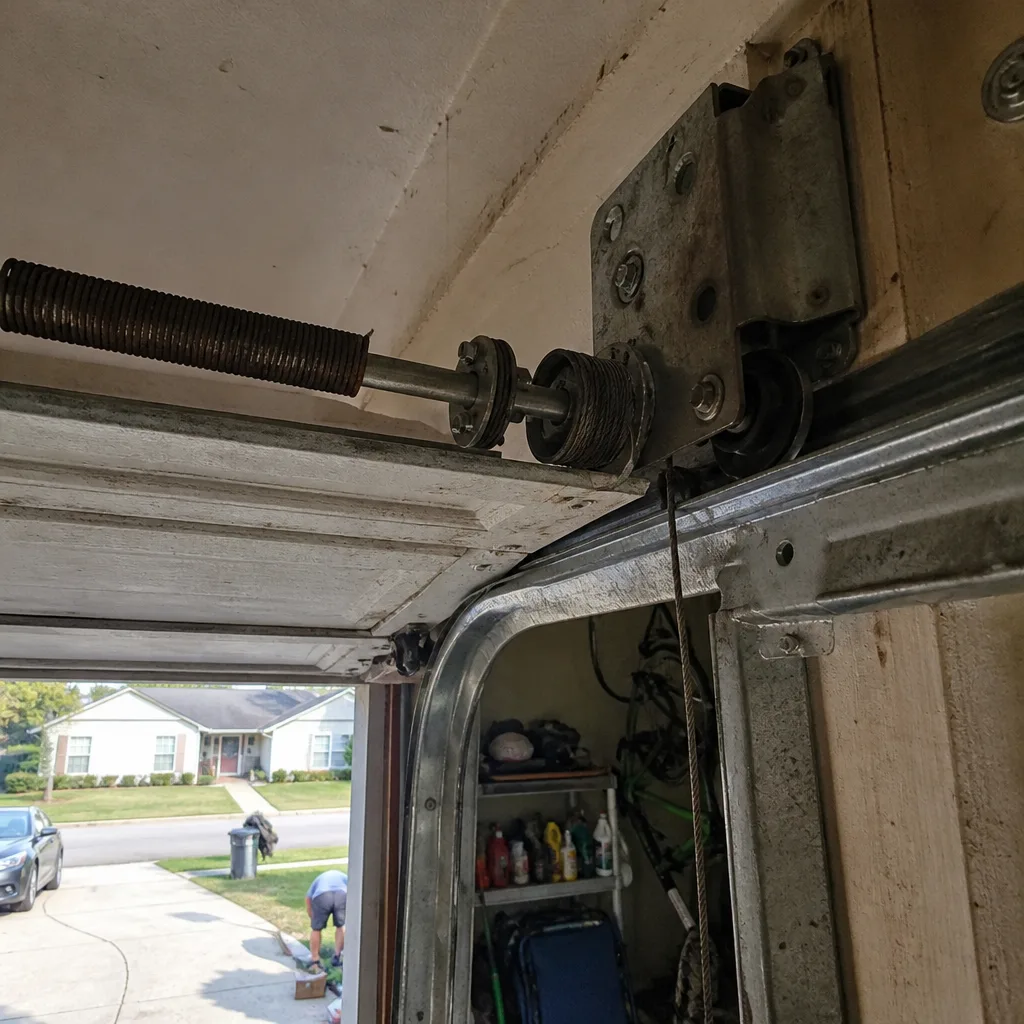 Before
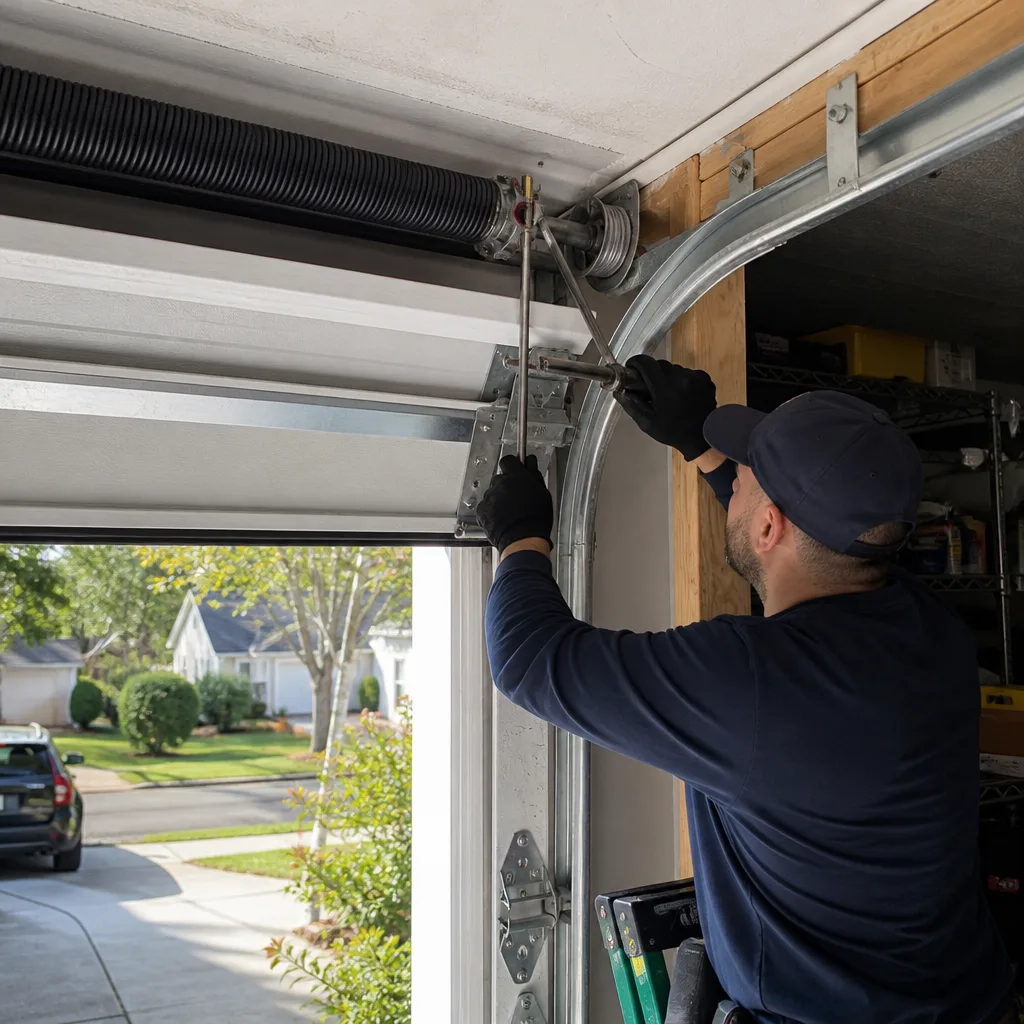 After
When to Call a Professional
Call a professional when you hear a spring bang, see cable fraying, or notice your door binding in its track. These are tension-system problems, and the repair involves releasing stored energy safely. Call when your opener runs but the door doesn’t move, because that’s usually a stripped gear or a broken spring, not a remote problem. Call when you’ve cleaned the sensors, checked the breaker, and the door still won’t respond.
Main Street Garage Door Repair offers free estimates in Jacksonville, call (833) 467-4139. The price is quoted and agreed upon before any work starts, and the estimate is based on what your specific door and opener need, not on a sales target.
Frequently Asked Questions
Spring replacement in Jacksonville typically costs $180 – $340 for a standard two-spring system, including labor. Coastal neighborhoods like Atlantic Beach and Mayport may see slightly higher rates due to corrosion-related complications. Call (833) 467-4139 for an exact quote based on your door’s weight and spring size, or learn more about our Garage Door Repair services.
Many Jacksonville spring and opener repairs can be completed the same day the call comes in, but availability depends on the current schedule. The fastest way to lock in a same-visit repair is to call early. We carry the common spring sizes and opener parts on the truck for most brands we service.
The price is agreed upon before work begins, and it doesn’t change unless the inspection reveals a hidden issue you weren’t aware of. In that case, we show you what we found, explain what it means, and get your approval before doing anything beyond the quoted scope. No surprise invoices.
For the eight brands we service, LiftMaster, Chamberlain, Genie, Clopay, Amarr, Wayne Dalton, Craftsman, and Raynor, we carry the most common replacement parts on the truck. That covers standard springs, cables, rollers, and opener gears for most doors built in the last 25 years.
As covered in The Complete Guide to Garage Door in Jacksonville, salt air and humidity corrode springs faster than inland climates. A standard spring rated for 10,000 cycles may fail at 7,000 – 8,000 cycles in coastal neighborhoods like Neptune Beach or Atlantic Beach. That’s about 5 – 7 years for a door opened 1,000 times annually.
No. Torsion springs are under hundreds of pounds of tension, and the winding bar can become a lethal projectile if it slips. Spring replacement is the most dangerous home repair in America, and every year Jacksonville emergency rooms treat injuries from DIY spring attempts, as we explain in our DIY vs Professional Garage Door: The Jacksonville Homeowner’s Decision Guide. This is a job for a trained professional with the right bars and the right technique.
The Bottom Line
Jacksonville’s climate makes garage door problems more frequent and more severe than the national average, and the right repair starts with the right diagnosis. Learn the sounds your door makes, understand which components are failing, and never attempt spring or cable work yourself. For everything else, a free estimate from a brand-agnostic independent shop that actually works on your specific door is the difference between a fix that lasts and a repeat call next season. Eight brands, one call: (833) 467-4139.
Written by the team at Main Street Garage Door Repair, serving Jacksonville since 2018. Explore more guides & resources from our team.